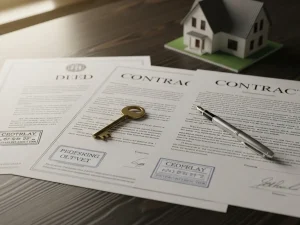

Understanding the Vital Role of a Property Lawyer in Upholding Real Estate Law
Real estate law can often feel like navigating a maze, can’t it? It’s a complex field, and understanding it is crucial for anyone involved in buying, selling, or managing property. A skilled property lawyer plays a pivotal role in safeguarding your property rights, offering expert guidance through the complexities of real estate law and ensuring your interests are protected. Think of them as your personal guide through the legal thicket. This section explores the essential services a property lawyer provides and why their expertise is indispensable.
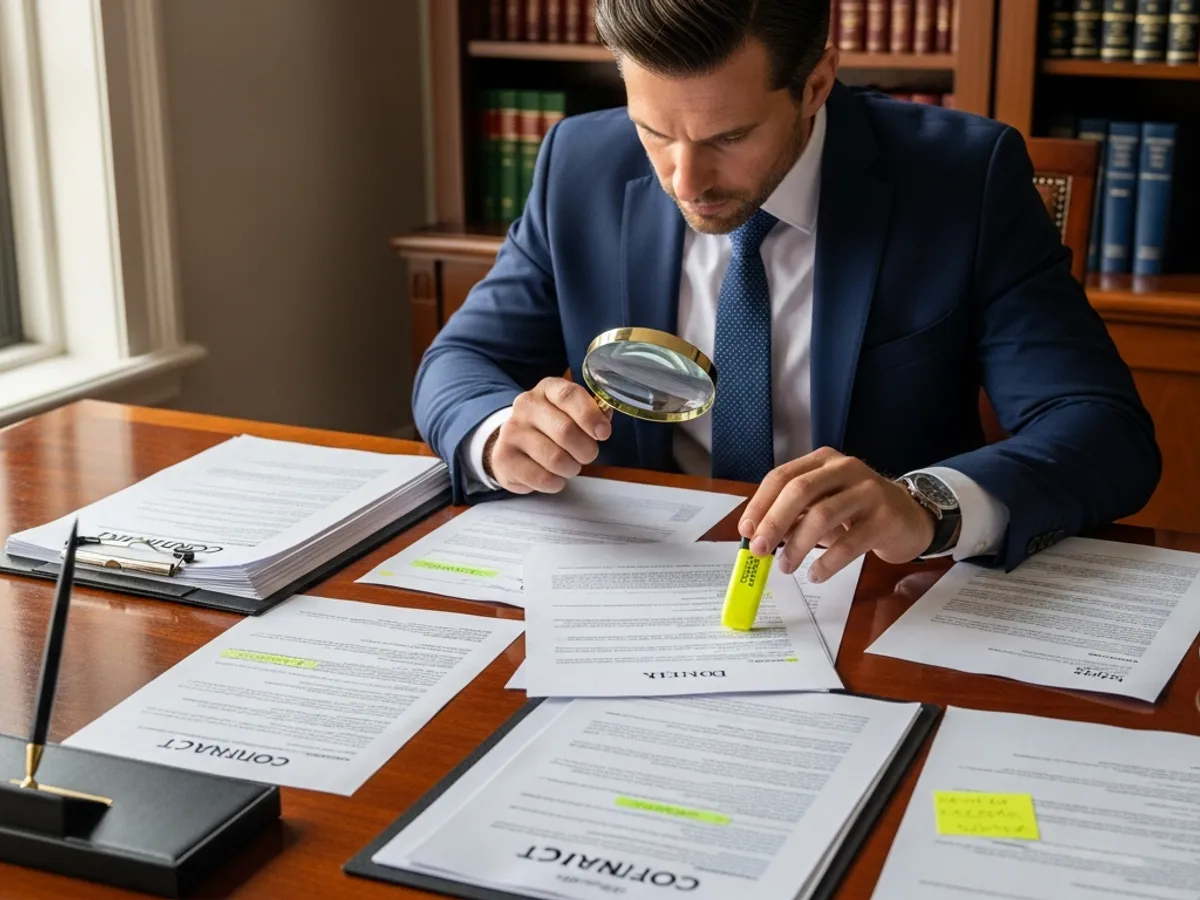
A property lawyer is more than just a legal advisor; they are your advocate, ensuring your interests are protected at every step. Here’s why their role is so vital:
- Expert Guidance: Navigating the intricacies of real estate law requires a deep understanding of legal principles and procedures. A property lawyer provides expert guidance, helping you make informed decisions and avoid potential pitfalls.
- Risk Management: From contract negotiations to title verification, a property lawyer identifies and mitigates risks associated with property transactions. Their proactive approach can save you from costly legal battles down the line.
- Dispute Resolution: In the event of a property dispute, a property lawyer acts as your advocate, representing your interests through negotiation, mediation, or litigation. Their expertise can help you achieve a favorable resolution.
- Legal Compliance: Ensuring compliance with all applicable laws and regulations is crucial for protecting your property rights. A property lawyer ensures that your property transactions adhere to legal standards, minimizing the risk of future legal challenges.
As Advocate Shashi Kiran notes, having a property lawyer by your side means you don’t have to worry about future legal issues. Their expertise ensures that all real estate documents are thoroughly reviewed and that your property rights are fully protected.
How to Navigate Property Disputes with a Real Estate Litigation Attorney
Property disputes – they’re more common than you might think! From disagreements over boundary lines to complex title conflicts, these disputes can arise in various forms. This section outlines common types of property disputes and how a real estate litigation attorney can help you navigate these challenging situations. A proactive property lawyer can often resolve disputes efficiently through negotiation or, when necessary, represent you in court.

Property disputes can range from simple misunderstandings to complex legal battles. Here are some common types of disputes you might encounter:
- Boundary Disputes: These occur when neighbors disagree over the location of a property line. Disputes can arise due to inaccurate surveys, unclear deeds, or historical encroachments.
- Title Disputes: These involve conflicts over the legal ownership of a property. Title disputes can result from errors in title verification, fraudulent transfers, or competing claims of inheritance.
- Easement Disputes: An easement grants someone the right to use another person’s property for a specific purpose. Disputes can arise when the scope or validity of an easement is challenged.
- Contract Disputes: These involve disagreements over the terms of a real estate agreement, such as a property sale contract or a lease agreement. Contract disputes can arise from breaches of contract, misrepresentations, or ambiguities in the agreement.
When facing a property dispute, a real estate litigation attorney can provide invaluable assistance. Here’s how they can help:
- Legal Guidance: A property lawyer provides clear and concise legal advice, explaining your rights and obligations under real estate law.
- Negotiation: A skilled attorney can negotiate with the opposing party to reach a mutually agreeable resolution. Negotiation can often resolve disputes without the need for costly litigation.
- Mediation: Mediation involves a neutral third party who helps facilitate communication and negotiation between the parties. A property lawyer can represent you in mediation and advocate for your interests.
- Litigation: When negotiation and mediation fail, a real estate litigation attorney can represent you in court. They will prepare and present your case, advocate for your rights, and seek a favorable outcome.
According to insights from the Fraser Law Firm, understanding the nature of property disputes is essential for protecting your rights as a property owner. A property lawyer can help you navigate these challenges and ensure your interests are protected.
The Step-by-Step Guide to Finding the Right Property Lawyer for Your Needs
Selecting the right property lawyer is like finding the perfect partner for a complex project – it’s crucial for protecting your property rights. This section offers a step-by-step guide to help you find an attorney who understands your specific needs and can provide effective legal representation. This includes researching qualifications, assessing experience in real estate law, and understanding their approach to property disputes.

Here’s a step-by-step guide to help you find the right property lawyer:
- Identify Your Needs: Determine the specific legal services you require. Are you dealing with a property dispute, planning a property sale, or needing assistance with title verification? Knowing your needs will help you narrow your search.
- Research Qualifications: Look for attorneys who specialize in real estate law and have experience in handling cases similar to yours. Check their credentials, education, and professional affiliations.
- Assess Experience: Experience matters. Choose a property lawyer with a proven track record of success in real estate litigation and property transactions. Ask about their experience in resolving property disputes and their familiarity with local land law.
- Read Reviews and Testimonials: Online reviews and testimonials can provide valuable insights into an attorney’s reputation and client satisfaction. Look for feedback from past clients to gauge their experience and level of service.
- Schedule Consultations: Most property lawyers offer initial consultations to discuss your case and assess your needs. Schedule consultations with several attorneys to compare their approaches and fees.
- Ask Questions: During the consultation, ask questions about their experience, strategies, and fees. Understand their approach to property disputes and their commitment to protecting your property rights.
- Evaluate Communication: Effective communication is essential for a successful attorney-client relationship. Choose a property lawyer who communicates clearly, listens attentively, and responds promptly to your inquiries.
- Understand Fees: Discuss the attorney’s fees and payment arrangements upfront. Understand their billing practices and any potential costs associated with your case.
- Trust Your Instincts: Ultimately, choose a property lawyer who you trust and feel comfortable working with. Trust your instincts and select an attorney who inspires confidence and demonstrates a genuine commitment to your case.
As noted by Attorneys for Property, consulting a property lawyer as soon as you consider buying, selling, or leasing real estate can help you avoid legal pitfalls. Their expertise can guide you through the process and ensure your interests are protected.
Proactive Title Verification: How a Property Lawyer Ensures Clear Property Rights
Ever wonder if the property you’re eyeing has a clean slate? Title verification is a critical step in any property sale or property purchase. A thorough title verification process ensures that the title is free from encumbrances and that your property rights are secure. Here’s how a property lawyer conducts title verification to protect your investment.
Title verification is the process of examining property records to ensure that the seller has clear ownership of the property and the right to transfer it to the buyer. Here’s how a property lawyer conducts title verification:
- Title Search: The attorney conducts a thorough search of property records, including deeds, mortgages, liens, and judgments, to identify any potential issues with the title.
- Review of Documents: The attorney reviews all relevant documents to verify the chain of ownership and identify any encumbrances on the property.
- Analysis of Findings: The attorney analyzes the findings of the title search to assess the validity of the title and identify any potential risks or liabilities.
- Title Insurance: The attorney may recommend obtaining title insurance to protect against potential losses resulting from title defects or claims.
The title verification process can uncover various issues that may affect your property rights. These include:
- Liens: A lien is a legal claim against a property to secure a debt or obligation. Liens can arise from unpaid taxes, mortgages, or judgments.
- Encumbrances: An encumbrance is any right or interest in a property held by someone other than the owner. Encumbrances can include easements, restrictions, or leases.
- Title Defects: A title defect is any irregularity or deficiency in the chain of ownership that could affect the validity of the title. Title defects can result from errors in property records, fraudulent transfers, or competing claims of ownership.
By conducting thorough title verification, a property lawyer can help you avoid potential pitfalls and protect your investment. Their expertise ensures that you have clear ownership of the property and that your property rights are secure.
According to Dungan & LeFevre, having title searches completed by a land title agency prior to finalizing any property transactions is crucial. A property lawyer can help you navigate this process and ensure that your interests are protected.
Mastering Property Registration: Ensuring Legal Compliance with Your Property Lawyer
Think of property registration as the official stamp that validates your ownership. Proper property registration is essential for legally establishing your ownership and protecting your property rights. This section details the steps involved in property registration and how a property lawyer can assist you in ensuring compliance with all legal requirements. This process often involves navigating complex land law regulations.
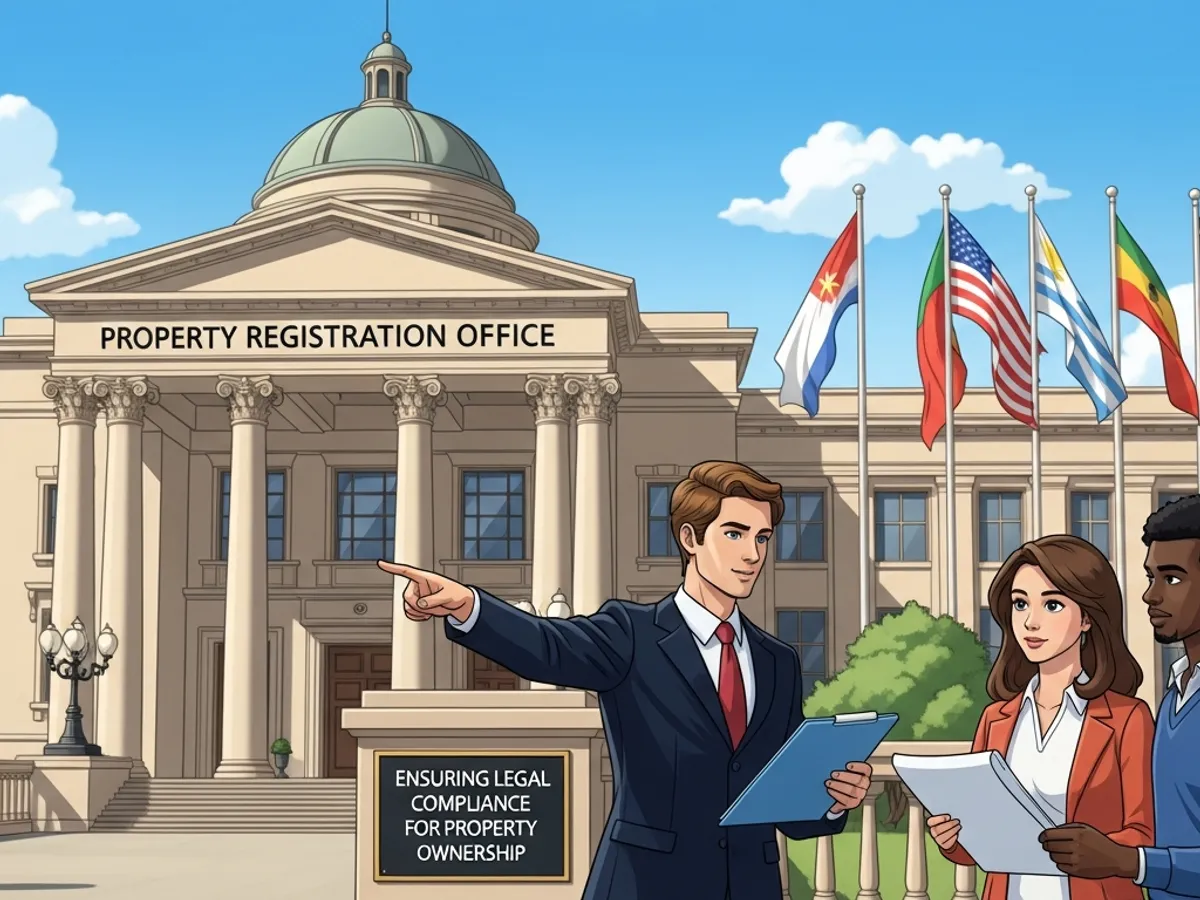
Property registration is the process of recording the transfer of ownership in the official property records. Here’s how a property lawyer can assist you with property registration:
- Preparation of Documents: The attorney prepares all necessary documents for property registration, including the deed, transfer forms, and affidavits.
- Compliance with Laws: The attorney ensures that all documents comply with applicable land law and regulations.
- Submission of Documents: The attorney submits the documents to the appropriate government agency for property registration.
- Follow-Up: The attorney follows up with the agency to ensure that the property registration process is completed in a timely manner.
Property registration offers several benefits, including:
- Legal Ownership: Property registration establishes your legal ownership of the property, providing you with the right to possess, use, and transfer the property.
- Protection Against Claims: Property registration protects you against potential claims from third parties who may assert ownership or other rights in the property.
- Public Record: Property registration creates a public record of your ownership, providing notice to the world of your interest in the property.
By assisting with property registration, a property lawyer ensures that your ownership is legally recognized and protected. Their expertise can help you avoid potential disputes and ensure that your property rights are secure.
Drafting and Reviewing Real Estate Agreements: The Role of a Property Lawyer
A real estate agreement – it’s the foundation of any property transaction. A real estate agreement is a legally binding contract that outlines the terms and conditions of a property sale or property purchase. A property lawyer plays a critical role in drafting and reviewing these agreements to protect your interests. Here’s what to consider when working with a property lawyer on real estate agreements.
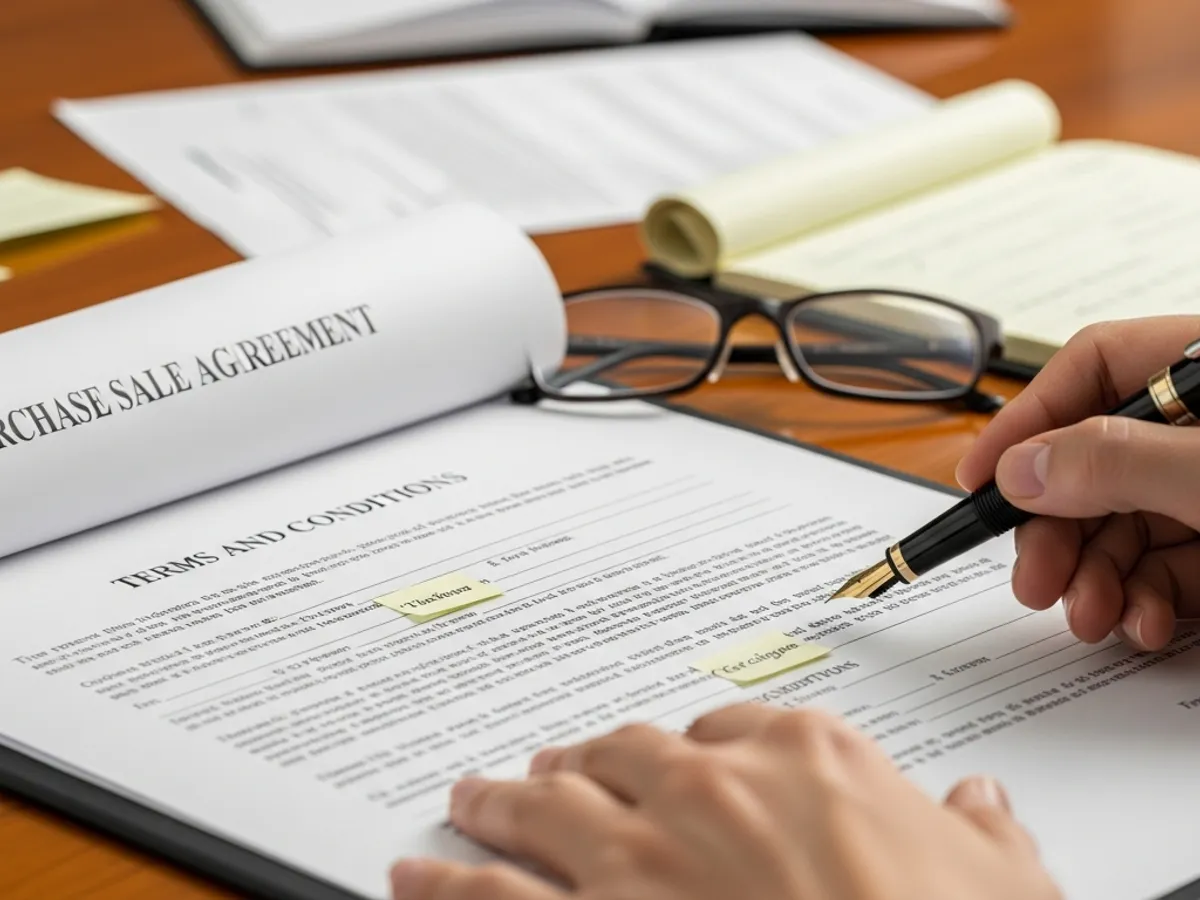
A real estate agreement is a legally binding contract that outlines the terms and conditions of a property sale or property purchase. Here’s how a property lawyer can assist you with drafting and reviewing these agreements:
- Drafting Agreements: The attorney drafts real estate agreements that accurately reflect the intentions of the parties and comply with applicable laws and regulations.
- Reviewing Agreements: The attorney reviews real estate agreements to identify potential risks, liabilities, or ambiguities that could affect your interests.
- Negotiating Terms: The attorney negotiates the terms of real estate agreements to ensure that your interests are protected and that you receive a fair and equitable deal.
When drafting or reviewing real estate agreements, a property lawyer considers several key factors, including:
- Parties: Identifying the correct parties to the agreement and ensuring that they have the legal capacity to enter into the contract.
- Property Description: Accurately describing the property being transferred or sold, including its legal description and any appurtenances or easements.
- Purchase Price: Specifying the purchase price and the terms of payment, including any financing arrangements or contingencies.
- Closing Date: Establishing a closing date for the transaction and outlining the steps required to complete the sale or purchase.
- Contingencies: Including contingencies that protect your interests, such as inspections, financing, or title verification.
By drafting and reviewing real estate agreements, a property lawyer ensures that your interests are protected and that the terms of the transaction are clear, fair, and enforceable. As Advocate Shashi Kiran, a trusted property dispute lawyer Delhi, can attest, having an experienced attorney by your side can make all the difference in ensuring a smooth and successful property transaction.
Strategies for Property Dispute Resolution with a Skilled Real Estate Lawyer
Property disputes can be stressful and costly, but effective resolution strategies can minimize their impact. This section explores various strategies for resolving property disputes, including negotiation, mediation, and litigation, and how a real estate lawyer can guide you through each option. The involvement of a skilled property lawyer can significantly influence the outcome of real estate litigation.

When facing a property dispute, several resolution strategies are available. Here’s how a real estate lawyer can guide you through each option:
- Negotiation: Negotiation involves direct communication between the parties to reach a mutually agreeable resolution. A property lawyer can represent you in negotiations and advocate for your interests.
- Mediation: Mediation involves a neutral third party who helps facilitate communication and negotiation between the parties. A property lawyer can represent you in mediation and advocate for your interests.
- Arbitration: Arbitration involves submitting the property dispute to a neutral arbitrator who makes a binding decision. A property lawyer can represent you in arbitration and present your case to the arbitrator.
- Litigation: Litigation involves resolving the property dispute in court. A real estate lawyer can represent you in court, prepare and present your case, and advocate for your rights.
The choice of resolution strategy depends on the specific circumstances of the property dispute. Factors to consider include:
- Complexity: The complexity of the property dispute and the legal issues involved.
- Cost: The cost of each resolution strategy and your ability to afford it.
- Time: The time required to resolve the property dispute and your need for a quick resolution.
- Relationship: The relationship between the parties and their willingness to cooperate in resolving the property dispute.
By guiding you through each resolution strategy, a real estate lawyer helps you make informed decisions and achieve a favorable outcome. Their expertise can help you minimize the impact of property disputes on your property rights and financial interests.
Understanding Land Law: How a Property Lawyer Ensures Compliance
Ever feel lost in the maze of land law? Land law encompasses the legal rules governing the ownership, use, and transfer of land. A property lawyer specializing in land law ensures that your property transactions and activities comply with all applicable regulations. This understanding is crucial in preventing legal issues related to property rights.

Land law encompasses a wide range of legal principles and regulations, including:
- Ownership: The legal rights and responsibilities associated with owning land.
- Use: The permissible uses of land and any restrictions or limitations on those uses.
- Transfer: The legal requirements for transferring ownership of land from one party to another.
A property lawyer specializing in land law can assist you with various legal matters, including:
- Property Transactions: Ensuring that property transactions comply with all applicable land law regulations.
- Land Use: Advising you on the permissible uses of your land and any restrictions or limitations on those uses.
- Zoning: Navigating zoning regulations and obtaining any necessary permits or approvals for your property activities.
- Environmental Law: Ensuring that your property activities comply with environmental laws and regulations.
Compliance with land law is essential for protecting your property rights and avoiding potential legal issues. A property lawyer can help you understand your rights and obligations under land law and ensure that your property transactions and activities comply with all applicable regulations.
Protecting Your Property Rights During Property Sale: The Lawyer’s Role
Selling property sale – it’s a big step, and it comes with its own set of challenges. A property lawyer plays a vital role in safeguarding your property rights throughout the process. From reviewing offers to ensuring legal compliance, here’s how a property lawyer can help you navigate a property sale smoothly and protect your interests. This includes addressing potential property dispute issues proactively.

Selling property sale involves several steps, each of which can impact your property rights. Here’s how a property lawyer can help you navigate the process:
- Reviewing Offers: The attorney reviews offers to purchase your property to ensure that they are fair and comply with applicable laws and regulations.
- Negotiating Terms: The attorney negotiates the terms of the property sale agreement to protect your interests and ensure that you receive a fair price for your property.
- Preparing Documents: The attorney prepares all necessary documents for the property sale, including the deed, transfer forms, and affidavits.
- Closing the Sale: The attorney attends the closing of the property sale to ensure that all legal requirements are met and that your property rights are properly transferred to the buyer.
A property lawyer can also help you address potential issues that may arise during the property sale process, such as:
- Title Defects: Identifying and resolving any title defects that could affect the sale of your property.
- Liens and Encumbrances: Clearing any liens or encumbrances on your property to ensure that the buyer receives clear ownership.
- Contract Disputes: Resolving any contract disputes that may arise between you and the buyer.
By protecting your property rights during the property sale process, a property lawyer helps you achieve a smooth and successful transaction. Their expertise can help you avoid potential pitfalls and ensure that your interests are protected.
Ensuring a Smooth Property Purchase: The Expertise of a Real Estate Attorney
Buying property purchase – it’s one of the biggest investments most people make. A real estate attorney can ensure a smooth and legally sound transaction. This section outlines the steps involved in a property purchase and how a real estate attorney can protect your property rights from potential pitfalls. This expertise is invaluable in navigating the complexities of real estate law.

Buying property purchase involves several steps, each of which can impact your property rights. Here’s how a real estate attorney can help you navigate the process:
- Reviewing the Purchase Agreement: The attorney reviews the purchase agreement to ensure that it protects your interests and complies with applicable laws and regulations.
- Conducting Title Verification: The attorney conducts title verification to ensure that the seller has clear ownership of the property and the right to transfer it to you.
- Negotiating Terms: The attorney negotiates the terms of the purchase agreement to ensure that you receive a fair and equitable deal.
- Closing the Purchase: The attorney attends the closing of the property purchase to ensure that all legal requirements are met and that your property rights are properly transferred to you.
A real estate attorney can also help you address potential issues that may arise during the property purchase process, such as:
- Title Defects: Identifying and resolving any title defects that could affect your ownership of the property.
- Liens and Encumbrances: Clearing any liens or encumbrances on the property to ensure that you receive clear ownership.
- Contract Disputes: Resolving any contract disputes that may arise between you and the seller.
By ensuring a smooth property purchase, a real estate attorney helps you protect your investment and secure your property rights. Their expertise can help you avoid potential pitfalls and ensure that your transaction is legally sound.
Tips and Warnings
Seek Legal Advice Early
Consult a property lawyer as soon as you anticipate a property dispute or are considering a property sale or property purchase. Early legal intervention can prevent many potential issues. Don’t wait until the problem escalates; a proactive approach can save you time, money, and stress.
Understand Your Property Rights
Familiarize yourself with your property rights and the relevant land law in your area. This knowledge empowers you to make informed decisions and protect your interests. Knowing your rights is the first step in defending them. Resources like government websites and legal guides can provide valuable information.
Document Everything
Keep detailed records of all communications, agreements, and transactions related to your property. This documentation can be crucial in resolving property disputes. Save emails, letters, contracts, and any other relevant documents in a safe and organized manner. These records can serve as valuable evidence in case of a dispute.
Conclusion
Safeguarding your property rights requires a proactive approach and the expertise of a skilled property lawyer. Whether you are dealing with a property dispute, navigating a property sale, or making a property purchase, a property lawyer can provide invaluable guidance and representation. By understanding real estate law, conducting thorough title verification, and ensuring compliance with property registration requirements, you can protect your investment and secure your property rights.
Reach out today for a consultation with Advocate Shashi Kiran or Call or WhatsApp +91-92121-97427
FAQs about Protecting Your Property Rights
What is title insurance, and why is it important for property owners?
Title insurance protects property owners from financial loss due to defects in the property’s title, such as outstanding liens or conflicting ownership claims, ensuring their investment is secure. A property lawyer can help in securing appropriate title insurance.
How can a property lawyer help with boundary disputes between neighbors?
A property lawyer can review property deeds, surveys, and local land law to determine the correct boundary lines, and then negotiate or litigate to resolve the dispute, protecting your property rights.
What steps should I take if I suspect encroachment on my property?
Document the encroachment with photos and measurements, consult a property lawyer to review your property rights and options, and then communicate with the encroaching party to seek resolution through negotiation or legal action.
What are common causes of property disputes, and how can they be prevented?
Common causes include unclear boundary lines, conflicting ownership claims, and disagreements over easements or rights of way; these can be prevented by conducting thorough title verification, obtaining clear surveys, and drafting precise real estate agreements.
How does real estate litigation differ from other forms of property dispute resolution?
Real estate litigation involves resolving property disputes through the court system, while other methods like negotiation and mediation aim to reach a settlement outside of court, often with the guidance of a property lawyer.
As Advocate Shashi Kiran, a Supreme Court Senior Advocate, I am dedicated to providing expert legal assistance in property disputes and other legal matters. With over 35 years of experience, my firm, located in Delhi NCR, offers comprehensive legal services to protect your property rights. Contact us today for a consultation and let us help you navigate the complexities of real estate law: https://shashikiranadvocate.com/