

Introduction: Navigating Civil Litigation with a Civil Advocate
Civil litigation can be a daunting process, but with the right legal strategy and a skilled civil advocate, you can significantly increase your chances of success. As a seasoned legal professional, I’ve seen firsthand how a well-thought-out approach can turn the tide in even the most complex cases. This guide provides a step-by-step approach to winning your civil case, focusing on the essential elements of legal strategy, representation, and court procedures. Learn how to effectively navigate civil lawsuits, contract disputes, and debt recovery with the help of expert legal advice and representation. A seasoned civil advocate can make all the difference in navigating the complexities of the legal system.
1. Understand the Basics of Civil Litigation
Before diving into the specifics, it’s crucial to grasp the fundamental principles of civil litigation. Civil litigation involves resolving disputes between individuals, businesses, or organizations through the court system. Unlike criminal cases, civil cases typically deal with issues such as contract disputes, property disagreements, debt recovery, and personal injury claims. Understanding court procedures, claim filing, and dispute resolution is the first step toward building a winning legal strategy. Let’s break down the key elements that define this field.
Key Elements of Civil Litigation
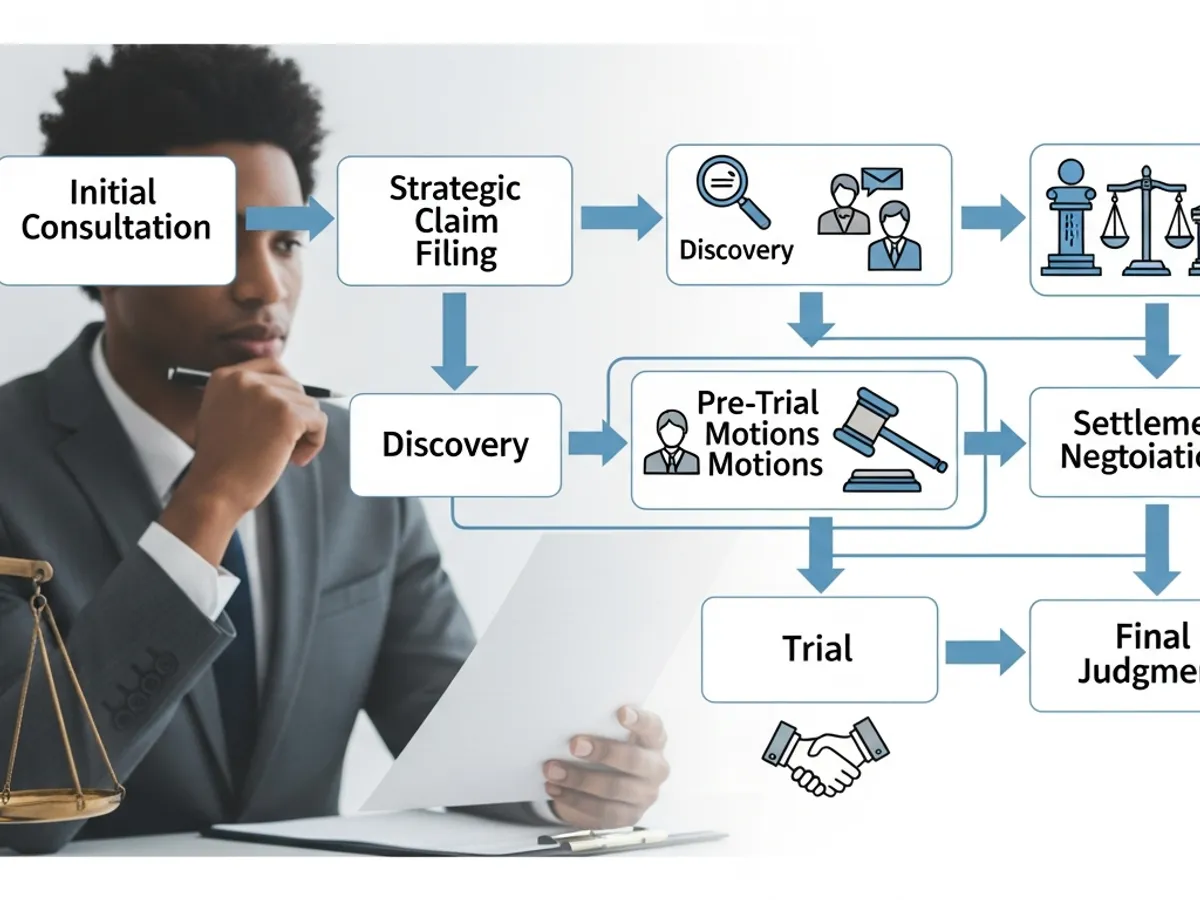
- Claim Filing: Initiating a civil lawsuit requires filing a formal complaint with the court, outlining the basis of your claim and the relief you seek. This is where you set the stage for your case.
- Discovery: This phase involves gathering evidence through interrogatories, depositions, and document requests to build a strong case. Think of it as the investigative stage, where you uncover the facts. Legal discovery is a pre-trial procedure that is performed in a lawsuit in which through a civil litigation procedure the early party tries to obtain evidence from another party through interrogations, depositions, etc.
- Pre-Trial Motions: Attorneys may file motions to dismiss, motions for summary judgment, or other pre-trial motions to narrow the issues or resolve the case before trial. These motions can significantly impact the direction of your case. An astute litigator recognizes that winning requires more than merit alone. A strategic approach ensures that the client’s win is more achievable while preserving harmony within proceedings.
- Trial: If the case proceeds to trial, both sides present evidence and arguments to a judge or jury, who will then render a verdict. This is the culmination of all your preparation and strategy.
- Settlement: Many civil cases are resolved through settlement negotiations, where the parties reach a mutually agreeable resolution outside of court. Settlement negotiations can save time, save money, and avoid the unpredictability of trial. A skilled lawyer will always be ready to assess settlement offers and determine if they’re the right option for you.
2. Secure Skilled Legal Representation from a Civil Advocate
One of the most critical steps in winning your civil case is securing the right legal representation. A skilled civil advocate brings expertise in civil litigation, an understanding of court procedures, and the ability to craft a compelling legal strategy. A civil advocate is more than just a lawyer; they are your guide and champion in the legal arena. Look for an attorney with a proven track record in handling cases similar to yours, whether it’s a contract dispute, debt recovery, or another type of civil lawsuit.
Qualities of an Effective Civil Advocate
- Experience: Choose an attorney with extensive experience in civil litigation and a deep understanding of the relevant laws and court procedures. Experience is the best teacher, and in law, it’s invaluable.
- Strategic Thinking: A good civil advocate can analyze the strengths and weaknesses of your case and develop a tailored legal strategy to maximize your chances of success. Strategic case evaluation and proactive case management are crucial in ensuring success in the courtroom.
- Communication Skills: Effective communication is essential for explaining complex legal issues to clients, negotiating with opposing counsel, and presenting arguments in court. Without proper communication skills, it’s not possible to win or present a case in the courtroom. How to win a case in court is not just communication, a lawyer also needs to simultaneously be an active listener to execute the case smoothly.
- Negotiation Skills: Many civil cases are resolved through settlement negotiations, so it’s important to have an attorney who is a skilled negotiator. Skilled attorneys can facilitate discussions that focus on finding a viable payment solution that minimizes the need for litigation.
- Trial Experience: If your case proceeds to trial, you’ll want an attorney with courtroom experience who can effectively present evidence and argue your case before a judge or jury. Having an attorney by your side during court proceedings can significantly impact the outcome of your case.
3. Develop a Strategic Legal Strategy for Your Civil Lawsuit
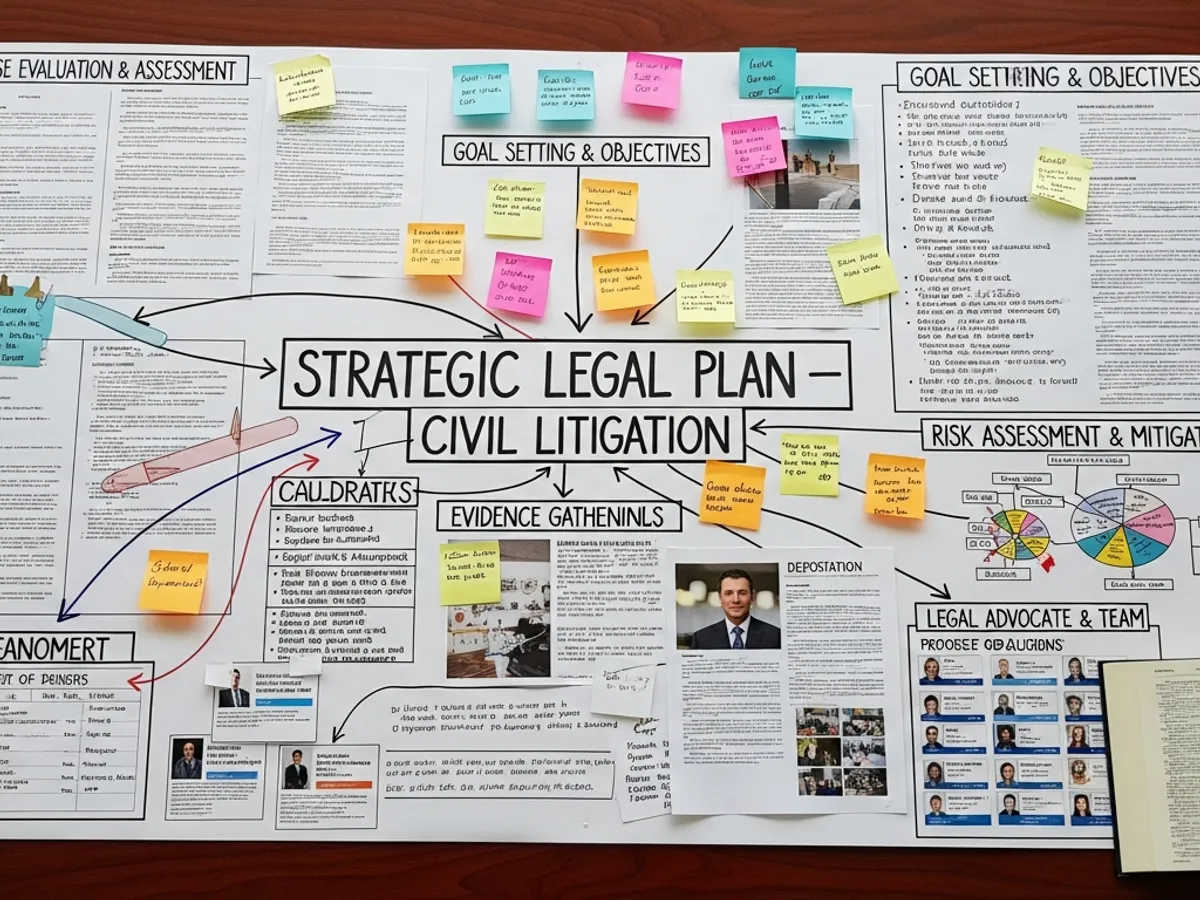
A strategic legal strategy is the backbone of any successful civil case. Your civil advocate will work with you to develop a comprehensive plan that addresses the specific issues in your case and aligns with your goals. This strategy should consider all aspects of the case, from initial claim filing to potential settlement negotiations or trial. This is where the art of law meets the science of planning.
Key Components of a Strategic Legal Strategy
- Case Evaluation: Conduct a thorough evaluation of the facts, evidence, and legal issues to identify the strengths and weaknesses of your case. This is the foundation upon which your strategy will be built.
- Goal Setting: Define your objectives for the case, whether it’s obtaining monetary damages, enforcing a contract, or resolving a property dispute. Knowing what you want to achieve is half the battle.
- Evidence Gathering: Collect and organize all relevant evidence, including documents, witness testimony, and expert opinions, to support your claims. Meticulously gather evidence, leaving no stone unturned.
- Legal Research: Research the applicable laws, regulations, and case precedents to build a strong legal foundation for your arguments. Precision in these documents is critical to prevent any delays or dismissals due to procedural errors.
- Risk Assessment: Identify potential risks and challenges in your case and develop strategies to mitigate them. Anticipating potential problems is key to staying ahead.
4. Master Court Procedures and Claim Filing for Civil Litigation
Navigating court procedures and claim filing requirements is essential for ensuring your civil lawsuit is properly presented and considered by the court. Your civil advocate will guide you through each step of the process, from drafting and filing the initial complaint to complying with court deadlines and rules of evidence. Effective litigation involves a unique set of skills honed through experience and continued learning.
Essential Court Procedures and Claim Filing Steps
- Drafting the Complaint: The initial complaint must clearly state the basis of your claim, the facts supporting your claim, and the relief you seek from the court. An effective plaint outlines your claim and demands clearly. It should include:
- Filing the Complaint: File the complaint with the appropriate court and pay the required filing fees to initiate the civil lawsuit.
- Serving the Defendant: Properly serve the defendant with a copy of the complaint and a summons, notifying them of the lawsuit and their obligation to respond.
- Responding to the Complaint: The defendant must file an answer or other response to the complaint within a specified time frame, addressing the allegations and raising any defenses.
- Discovery: Engage in the discovery process to gather evidence from the opposing party and build your case.
5. Utilize Dispute Resolution Methods for Civil Litigation
While some civil cases proceed to trial, many are resolved through alternative dispute resolution (ADR) methods such as negotiation, mediation, and arbitration. These methods can save time and money while allowing the parties to reach a mutually agreeable resolution. Your civil advocate will advise you on the best dispute resolution approach for your case and represent your interests in these proceedings. Open lines of communication can lead to negotiated settlements that are agreeable to both parties. Skilled attorneys can facilitate discussions that focus on finding a viable payment solution that minimizes the need for litigation.
Types of Dispute Resolution Methods
- Negotiation: Direct discussions between the parties or their attorneys to reach a settlement agreement.
- Mediation: A neutral third party facilitates discussions between the parties to help them reach a voluntary settlement. Utilizing Mediation. When direct negotiation does not yield results, mediation can serve as a neutral platform to resolve disputes. This process involves a third-party mediator who helps both parties reach a voluntary, negotiated agreement.
- Arbitration: A neutral arbitrator hears evidence and arguments from both sides and renders a binding decision. The advantages of hiring a lawyer for mediation in property disputes.
6. Effective Evidence Handling and Presentation in Civil Cases
Effective evidence handling and presentation are critical for proving your case in court. Your civil advocate will gather, organize, and present evidence in a clear and persuasive manner, ensuring that the judge or jury understands the key facts and legal issues. This includes identifying and preparing witnesses, obtaining and organizing documents, and presenting expert testimony. They meticulously gather evidence, leaving no stone unturned.
Key Strategies for Evidence Handling and Presentation
- Identify Key Evidence: Determine which pieces of evidence are most relevant and persuasive to support your claims.
- Organize Evidence: Organize your evidence in a logical and easy-to-understand manner, such as creating a timeline or using a document management system.
- Prepare Witnesses: Prepare your witnesses to testify effectively by reviewing their testimony, practicing their answers, and educating them on courtroom procedures. To win your case, you should invest in your witness and you should know whether your witness is mentally ready to enter the court or not. If your witness is ready to enter the court then you should focus on who all can testify and what can be testified.
- Present Evidence Strategically: Present your evidence in a strategic order, starting with the strongest evidence and building a compelling narrative.
- Object to Inadmissible Evidence: Be prepared to object to any evidence offered by the opposing party that is inadmissible under the rules of evidence.

7. Understand Debt Recovery and Legal Advice
Debt recovery is a common area of civil litigation, involving the process of reclaiming overdue payments from debtors. A strategic approach to debt recovery includes understanding the legal steps, drafting effective demands, and initiating legal action when necessary. Consulting with a civil advocate can provide you with the legal advice and representation needed to navigate debt recovery effectively. Professional legal support in debt recovery greatly improves a business’s chances of recovering unpaid debts efficiently and complying with legal standards. Here’s why legal advice is essential:
Legal Steps in Debt Recovery
- Initial Demand: Send a formal demand letter to the debtor, outlining the amount owed, the basis of the debt, and a deadline for payment.
- Negotiation: Attempt to negotiate a payment plan or settlement with the debtor to resolve the debt without litigation.
- Legal Action: If negotiation fails, file a lawsuit to recover the debt through the court system. Drafting and Filing Legal Documents. From drafting summonses and complaints to managing all required legal filings, our attorneys handle every aspect of the lawsuit process. Precision in these documents is critical to prevent any delays or dismissals due to procedural errors.
- Judgment and Enforcement: If you obtain a judgment against the debtor, take steps to enforce the judgment, such as garnishing wages or seizing assets. Through the court system, creditors can obtain a judgment against the debtor — unlocking tools such as emoluments attachment orders (wage garnishment), asset attachment, or sale in execution to enforce payment. Legal action may also deter further delay or avoidance, particularly when a debtor is deliberately non-compliant.
8. Mastering Courtroom Dynamics and Persuasive Argumentation
Understanding and navigating the dynamics of the courtroom is essential for winning your civil case. Your civil advocate will be experienced in dealing with different courtroom environments and personalities, from judges to opposing counsel. They will adapt their tactics to suit each unique courtroom setting, ensuring they are always one step ahead. Lawyers help their clients solve problems and resolve disputes with other parties.
Essential Courtroom Skills
- Verbal Advocacy: Present your arguments clearly, concisely, and persuasively to the judge or jury. A lawyer also needs to simultaneously be an active listener to execute the case smoothly.
- Cross-Examination: Effectively cross-examine opposing witnesses to challenge their testimony and expose weaknesses in their case.
- Objections: Make timely and appropriate objections to protect your client’s interests and prevent inadmissible evidence from being presented.
- Closing Arguments: Deliver a compelling closing argument that summarizes the evidence, highlights the key legal issues, and persuades the judge or jury to rule in your favor.
9. Debt Recovery Strategies
Effective debt recovery requires a strategic approach that balances assertiveness with the preservation of business relationships. Your civil advocate will work with you to develop strategies that are assertive yet respectful, focusing on open communication and negotiation. At Civil Litigation Lawyers, our team of experienced debt recovery solicitors offers comprehensive support through each process stage, from issuing demand letters to enforcing judgments. We ensure all actions are legally compliant, efficient, and tailored to your needs.
Effective Strategies
- Clear Communication: Maintain clear and open communication with debtors, providing them with all necessary information and opportunities to resolve the debt.
- Payment Plans: Offer flexible payment plans that accommodate the debtor’s financial situation while ensuring the debt is repaid.
- Settlement Negotiations: Be willing to negotiate settlements that may involve reducing the amount owed or extending the payment timeline.

Conclusion: Securing Your Civil Case with a Strategic Advocate
Winning your civil case requires a strategic approach, skilled legal representation, and a thorough understanding of court procedures. By securing a skilled civil advocate, developing a comprehensive legal strategy, mastering court procedures, and utilizing dispute resolution methods, you can significantly increase your chances of success. Remember that effective evidence handling, courtroom dynamics, and persuasive argumentation are essential for achieving a favorable outcome in your civil lawsuit. For instance, consider the case of a Delhi-based MSME that filed a summary suit following repeated defaults. Thanks to solid evidence and a clear contractual breach, the court expedited the case, resulting in a decree within three months.
Reach out today for a consultation with Advocate Shashi Kiran, a Supreme Court Senior Advocate with over 35 years of extensive legal practice, combining deep legal knowledge with an empathetic approach. Call or WhatsApp +91-92121-97427 for strong representation before India’s highest courts.
FAQs: Winning Your Civil Case
What is the role of a civil advocate in civil litigation?
A civil advocate provides legal representation and guidance to clients involved in civil disputes, offering expertise in legal strategy, court procedures, and dispute resolution. They help navigate the complex legal landscape.
How can a strategic legal strategy improve my chances of winning a civil case?
A strategic legal strategy involves a thorough evaluation of the case, goal setting, evidence gathering, and legal research to build a strong foundation for your arguments and maximize your chances of success. This ensures a well-prepared and compelling case.
What are the key steps in the debt recovery process?
The key steps in debt recovery include sending an initial demand letter, negotiating with the debtor, initiating legal action if necessary, and enforcing a judgment if obtained. Each step requires careful attention to legal requirements.
How can alternative dispute resolution methods help resolve civil cases?
Alternative dispute resolution methods such as negotiation, mediation, and arbitration can save time and money while allowing the parties to reach a mutually agreeable resolution outside of court. These methods offer efficient and amicable solutions.
What are some essential courtroom skills for a civil advocate?
Essential courtroom skills for a civil advocate include verbal advocacy, cross-examination, making timely objections, and delivering compelling closing arguments. These skills are crucial for effectively representing your client’s interests.
Safeguard your property rights with a proactive property lawyer. Shield your liberty from false accusations with expert anticipatory bail counsel. Build an unshakeable defense with a supreme court criminal lawyer’s expertise. Unlock swift property justice with a top-tier advocate’s strategic approach. When false accusations threaten your freedom, securing anticipatory bail is paramount.
Advocate Shashi Kiran is a Supreme Court Senior Advocate specializing in civil litigation. With over 35 years of experience, she provides expert legal representation in Delhi NCR. Reach out today for a consultation.


