

Finding the right legal representation is crucial, especially when your case requires the expertise of a seasoned legal professional. This comprehensive guide provides a detailed approach to help you find the best supreme court advocate delhi for your specific legal needs in 2025, ensuring your case is handled with the utmost professionalism and expertise. We will explore various avenues, from online research to personal recommendations, to help you secure the legal counsel you need for a successful outcome in the Supreme Court.
Understanding the Significance of a Supreme Court Advocate in Delhi
The Supreme Court of India stands as the highest judicial authority, making it essential to have a skilled supreme court lawyer representing you. These advocates possess specialized knowledge of constitutional law, appellate procedures, and the intricacies of the Indian legal system. Their expertise can significantly impact the outcome of your case, whether it involves civil, criminal, or constitutional matters.

Defining Your Legal Needs for Your Supreme Court Case
Before initiating your search, clearly define your legal needs. Are you dealing with a criminal matter, a civil dispute, a property issue, or a constitutional challenge? Identifying the specific area of law will help you narrow down your search to advocates with relevant expertise. Consider the following:
- Type of Case: Criminal, civil, property, matrimonial, or constitutional.
- Specific Requirements: Expertise in bail matters, appeals, or specific legal procedures.
- Desired Outcome: What do you hope to achieve through legal representation?

Leveraging Online Resources to Find an Advocate in Delhi
In today’s digital age, online research is an invaluable tool for finding legal representation. Several platforms can help you identify and evaluate potential advocates:
- LawRato: Consult with top-rated lawyers and review their profiles.
- Justdial: Explore listings and reviews of lawyers in Delhi specializing in Supreme Court cases.
- Online Legal Directories: Websites provide listings of lawyers practicing in various courts in Delhi, including the Supreme Court.

Verifying Legal Credentials on the Supreme Court of India Website
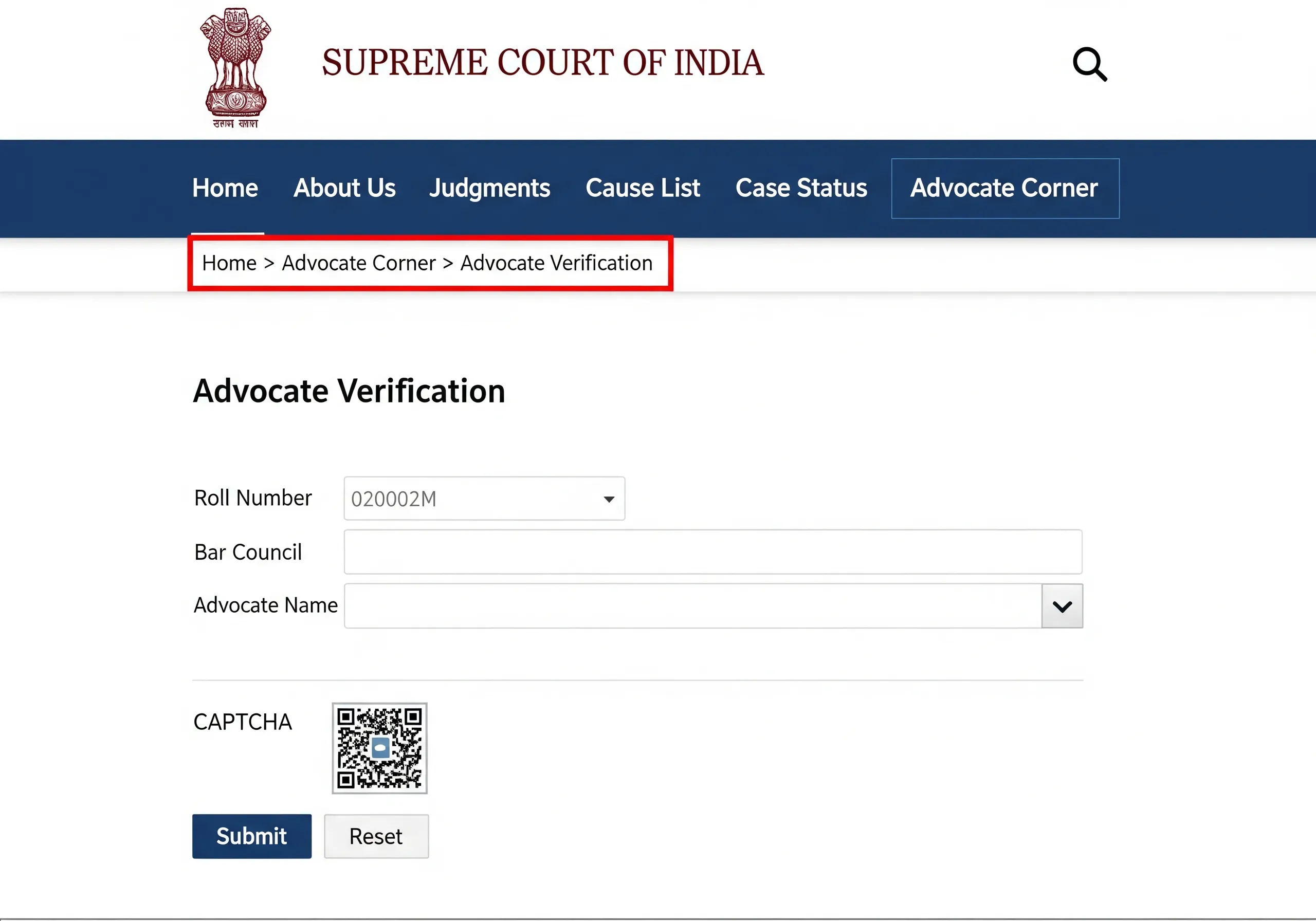
The Supreme Court of India’s official website offers resources to verify the credentials of advocates. You can check if an advocate is an Advocate-on-Record (AOR), which is a requirement for filing cases in the Supreme Court. Here’s how:
- Visit the Supreme Court of India website.
- Navigate to the “Advocates” section.
- Use the “Advocate-on-Record Search” feature to verify the advocate’s registration and status.
Seeking Recommendations: Personal Referrals for Finding a Top Advocate
Personal recommendations can be a reliable way to find a top advocate. Reach out to your network, including friends, family, and colleagues, for referrals. Individuals involved in previous lawsuits or legal matters may provide valuable insights and recommendations.

Consulting with Delhi High Court Lawyers for Supreme Court Referrals
Delhi High Court lawyers often have connections and insights into seasoned advocates. Consulting with a Delhi High Court lawyer can provide you with valuable referrals. They can assess your case and recommend a lawyer who specializes in the relevant area of law.

Checking Professional Memberships and Certifications
Professional memberships and certifications can indicate an advocate’s expertise and commitment to their field. Look for advocates who are members of reputable legal organizations and have relevant certifications. This can include:
- Bar Council of India: Ensure the advocate is registered with the Bar Council of India.
- Supreme Court Bar Association: Membership in this association indicates a focus on Supreme Court practice.

Evaluating Experience and Track Record
Experience and track record are critical factors when choosing a legal professional. Consider the following:
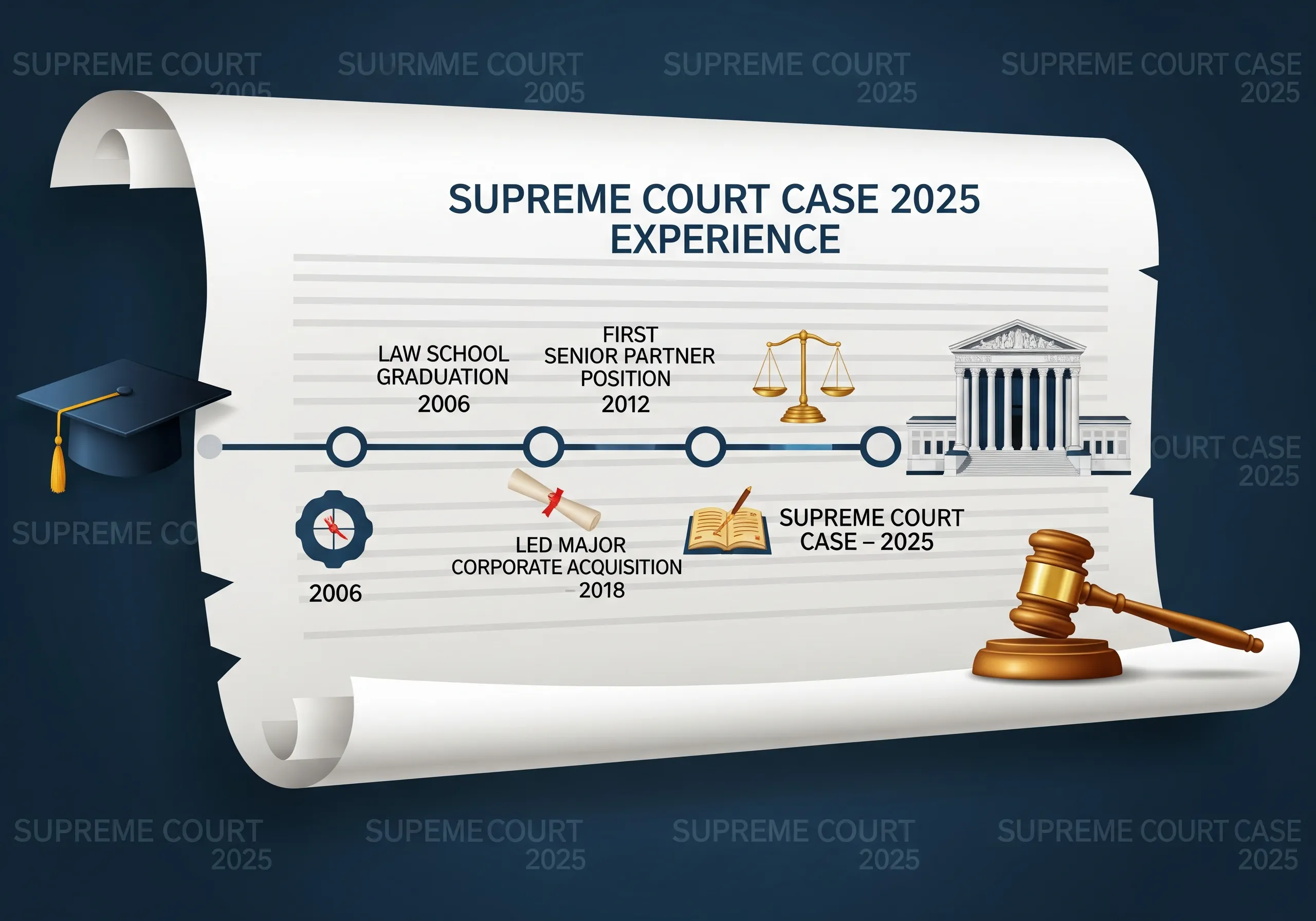
- Years of Experience: How long has the advocate been practicing in the Supreme Court?
- Case History: What types of cases has the advocate handled, and what were the outcomes?
- Success Rate: What is the advocate’s success rate in similar cases?
Reading Client Reviews and Testimonials
Client reviews and testimonials offer valuable insights into an advocate’s professionalism, competence, and client service. Look for reviews on platforms like LawRato, Google, and the advocate’s website. Pay attention to comments regarding:
- Communication: How well does the advocate communicate with clients?
- Professionalism: Is the advocate professional and ethical?
- Results: Did the advocate achieve favorable outcomes for their clients?

Scheduling Initial Consultations with Potential Advocates
Initial consultations are crucial for assessing whether an advocate is the right fit for your case. Most advocates offer initial consultations, often free of charge or at a reduced rate. During the consultation, discuss the following:
- Case Details: Provide a comprehensive overview of your case.
- Legal Strategy: Ask about the advocate’s proposed legal strategy.
- Fees and Costs: Discuss the advocate’s fees, payment options, and potential costs.

Assessing Communication Skills and Availability
Effective communication is essential for a successful attorney-client relationship. Evaluate the advocate’s communication skills during the initial consultation. Consider the following:
- Clarity: Does the advocate explain legal concepts clearly and understandably?
- Responsiveness: How responsive is the advocate to your questions and concerns?
- Availability: Is the advocate readily available to discuss your case?

Verifying Specialization in Specific Areas of Law
The Supreme Court handles a wide range of cases, so it’s essential to find an advocate who specializes in the relevant area of law. Verify the advocate’s specialization and experience in similar cases. For example, if you’re dealing with a property dispute, look for a property lawyer delhi with Supreme Court experience.

Understanding the Fee Structure and Payment Options
Legal fees can vary significantly, so it’s important to understand the advocate’s fee structure and payment options. Discuss the following:
- Hourly Rate: What is the advocate’s hourly rate?
- Retainer Fee: Is a retainer fee required?
- Contingency Fee: Does the advocate offer a contingency fee arrangement?
- Payment Schedule: What is the payment schedule, and are there any payment plans available?

Checking for Disciplinary Actions and Ethical Standing
It’s crucial to ensure that the advocate has a clean disciplinary record and is in good ethical standing. Check with the Bar Council of India or relevant legal associations to verify the advocate’s ethical standing. This can help you avoid potential issues and ensure that your case is handled ethically and professionally.

Considering the Advocate’s Approach to the Case
Different advocates have different approaches to handling cases. Some are aggressive litigators, while others prefer a more collaborative approach. Consider your preferences and choose an advocate whose approach aligns with your goals. Discuss their strategies for handling cases in the Supreme Court.

Ensuring Familiarity with Supreme Court Procedures
Familiarity with Supreme Court procedures is essential for effective representation. Ensure that the advocate is well-versed in the rules, practices, and protocols of the Supreme Court. This includes knowledge of filing procedures, court etiquette, and appellate practices.

Evaluating Knowledge of Constitutional Law
The Supreme Court is the final interpreter of the Constitution, so a strong understanding of constitutional law is crucial. Evaluate the advocate’s knowledge of constitutional provisions, landmark cases, and constitutional principles. This is particularly important if your case involves constitutional issues or challenges to state actions.

Assessing Ability to Handle Complex Legal Matters
Supreme Court cases often involve complex legal issues, so it’s important to choose an advocate who can handle complexity. Assess the advocate’s ability to analyze complex legal issues, develop innovative legal strategies, and present compelling arguments. Look for experience in handling similar complex cases.

Checking Availability for Supreme Court Matters
Supreme Court cases can be time-consuming and require significant attention, so it’s important to choose an advocate who has sufficient availability. Ensure that the advocate has the time and resources to dedicate to your case. Discuss their current caseload and availability for court appearances, research, and client communication.

Confirming Understanding of Supreme Court Case Law
A thorough understanding of Supreme Court case law is essential for effective representation. Ensure that the advocate is familiar with relevant precedents, landmark decisions, and recent judgments. This knowledge will enable them to build a strong legal strategy and present persuasive arguments.

Inquiring About Network of Legal Professionals
A strong network of legal professionals can be a valuable asset. Inquire about the advocate’s network, including other lawyers, legal experts, and consultants. A well-connected advocate can access additional resources and expertise to support your case.

Discussing Potential Outcomes and Risks
It’s important to have a realistic understanding of the potential outcomes and risks of your case. Discuss the potential outcomes with the advocate, including the likelihood of success, potential damages, and possible appeals. Also, discuss the risks involved, such as adverse rulings, delays, and costs.

Verifying Compliance with Legal Ethics
Legal ethics are paramount, and it’s essential to choose an advocate who adheres to the highest ethical standards. Verify that the advocate complies with the rules of professional conduct and ethical guidelines. This will ensure that your case is handled with integrity and professionalism.

Finalizing Decision and Retaining the Advocate
After careful consideration, finalize your decision and retain the advocate who best meets your needs. Sign a retainer agreement that outlines the scope of services, fees, and payment terms. Ensure that you have a clear understanding of your rights and responsibilities.

Conclusion
Find advocate Delhi for your case requires careful research, evaluation, and consideration. By following these steps, you can identify and retain an advocate who has the expertise, experience, and dedication to provide you with the best possible legal representation. Remember to define your legal needs, leverage online resources, seek recommendations, and thoroughly evaluate potential advocates to make an informed decision.

Quick Summary
Finding the right supreme court advocate in Delhi for your case in 2025 involves several crucial steps. First, define your legal needs and utilize online resources like LawRato and Justdial to identify potential advocates. Verify their credentials on the Supreme Court of India website and seek personal recommendations. Evaluate their experience, track record, and client reviews. Schedule initial consultations to assess their communication skills, specialization, and fee structure. Check for disciplinary actions and ethical standing. Consider their approach to the case, familiarity with Supreme Court procedures, and knowledge of constitutional law. Ensure they can handle complex legal matters and have sufficient availability. Finally, retain the advocate who best meets your needs after signing a retainer agreement.
FAQs
How can I verify if a lawyer is qualified to practice in the Supreme Court of India?
You can verify a lawyer’s qualifications by checking their registration with the Bar Council of India and confirming if they are an Advocate-on-Record (AOR) on the Supreme Court of India’s official website.
What factors should I consider when evaluating client reviews for a supreme court lawyer?
When evaluating client reviews, pay attention to comments regarding the lawyer’s communication, professionalism, and the results they achieved for their clients in similar cases.
Is it necessary for a supreme court advocate to specialize in a specific area of law?
While not always mandatory, choosing an advocate who specializes in the specific area of law relevant to your case can be beneficial, as they will have in-depth knowledge and experience in that field.
What should I discuss during the initial consultation with a supreme court advocate?
During the initial consultation, discuss the details of your case, the advocate’s proposed legal strategy, their fees and payment options, and potential outcomes and risks of your case.
How important is it for a supreme court advocate to have knowledge of constitutional law?
A strong understanding of constitutional law is crucial, especially if your case involves constitutional issues or challenges to state actions, as the Supreme Court is the final interpreter of the Constitution.
Reach out to Advocate today for a consultation or call/WhatsApp +91-92121-97427 to discuss your legal needs with Advocate Shashi Kiran, Advocate-on-Record with the Supreme Court of India.

