
Understanding the Landscape of Property Dispute Resolution
Property disputes can be complex and emotionally charged, often involving significant financial and personal stakes. Effective property dispute resolution requires a strategic approach, combining legal knowledge with practical solutions. These disputes can range from disagreements over boundaries and easements to more complex issues involving contracts, titles, and inheritance. Understanding the nuances of these conflicts is the first step toward finding a resolution. Did you know that unresolved property disputes can lead to significant financial losses and strained relationships? It’s true! Protecting your property rights requires a blend of awareness, proactive measures, and expert legal guidance. This section will explore the common types of disputes, the importance of seeking timely legal advice, and the potential benefits of proactive strategies in navigating land disputes and title issues.

Step-by-Step Instructions: Navigating Real Estate Litigation Strategies
1. Initial Assessment and Legal Consultation with a Property Lawyer
The first step in addressing a property dispute is to consult with a qualified property lawyer or real estate lawyer. Bingaman Hess are seasoned legal professionals who can provide an initial assessment of your case, outlining your rights and potential legal options. They will analyze the specifics of your situation, including relevant documents such as property sale agreement and title deeds, to determine the best course of action. This consultation is crucial for understanding the strengths and weaknesses of your case and developing a tailored strategy. Don’t underestimate the value of this initial assessment; it can set the stage for a successful resolution. Early consultation allows you to understand the legal landscape, potential challenges, and the best path forward. Having a skilled real estate lawyer by your side from the beginning can make all the difference.
2. Gathering Evidence and Documentation for Land Disputes
Successful real estate litigation strategies hinge on thorough documentation. Collect all relevant documents related to your property dispute, including purchase agreements, legal notice property, correspondence, photos, and any other evidence that supports your claim. Organize these materials chronologically and make copies for your records. Meticulous documentation is crucial for building a strong case. Think of it as building a fortress; each document is a brick that reinforces your position. Comprehensive evidence can significantly influence the outcome of your dispute, whether through negotiation, mediation, or litigation. It also demonstrates your seriousness and preparedness, which can be a powerful negotiating tool. Remember, the more organized and complete your documentation, the stronger your case will be. Ensuring that all relevant documents are readily available and easily accessible can save time and resources in the long run. This proactive approach can also help to expedite the resolution process and increase your chances of a favorable outcome.
3. Exploring Alternative Dispute Resolution (ADR) Methods
Before pursuing litigation, consider alternative dispute resolution (ADR) methods such as negotiation, mediation, or arbitration. These processes offer a less adversarial and often more cost-effective way to resolve land disputes and other property-related conflicts. A skilled civil lawyer property can guide you through these options, representing your interests and working towards a mutually agreeable solution. You can often find an objective third-party mediator through community programs or legal referral services. ADR methods prioritize collaboration and compromise, aiming to find a resolution that satisfies all parties involved. Negotiation involves direct communication between the parties to reach an agreement. Mediation involves a neutral third party who facilitates discussions and helps the parties find common ground. Arbitration involves a neutral third party who makes a binding decision after hearing evidence from both sides. These methods can save time, money, and emotional stress compared to traditional litigation. Moreover, they offer greater flexibility and control over the outcome. Exploring ADR can be a win-win situation, fostering amicable resolutions and preserving relationships while addressing your legal concerns. Remember, the goal is to find a fair and efficient resolution, and ADR methods can often provide that path.

4. Filing a Lawsuit: Initiating Real Estate Litigation
If ADR methods prove unsuccessful, the next step may involve filing a lawsuit to initiate real estate litigation. Your property lawyer will draft and file the necessary legal documents, outlining your claims and seeking a specific resolution to the dispute. This process requires a thorough understanding of property law and court procedures. Initiating litigation is a significant decision that should be made after careful consideration and consultation with your attorney. It involves formally presenting your case to the court and seeking a legal remedy. The lawsuit will detail the nature of the dispute, the legal basis for your claims, and the specific relief you are seeking. This stage requires meticulous attention to detail and adherence to strict procedural rules. Once the lawsuit is filed, the opposing party will be required to respond, and the case will proceed through the various stages of litigation. While litigation can be a complex and time-consuming process, it is sometimes necessary to protect your property rights and achieve a just outcome. The Law Office of David J. Hollander serves clients in San Diego, California, and throughout San Diego County. Contact the firm today.
5. Discovery and Investigation in Real Estate Litigation
The discovery phase involves gathering additional evidence and information through various legal tools, such as interrogatories, depositions, and document requests. Your real estate lawyer will use these tools to uncover relevant facts, assess the strengths and weaknesses of your case, and prepare for trial. This phase is critical for building a comprehensive understanding of the dispute and identifying key evidence. Interrogatories are written questions that the opposing party must answer under oath. Depositions involve oral examinations of witnesses under oath. Document requests allow you to obtain relevant documents from the opposing party. The information gathered during discovery can be used to support your claims, challenge the opposing party’s position, and develop effective strategies for negotiation or trial. Managing the discovery process: Lawyers collect, review, and present documents that support your position, while also challenging weak or improper claims from the other side. Effective discovery can significantly enhance your chances of a favorable outcome.
6. Negotiation and Settlement Possibilities for Legal Notice Property
Throughout the litigation process, negotiation and settlement discussions may continue. Your civil lawyer property will assess settlement opportunities, weighing the potential costs and benefits of reaching an agreement versus proceeding to trial. A skilled negotiator can often achieve a favorable settlement that avoids the time, expense, and uncertainty of a trial. Settlement negotiations can occur at any stage of the litigation process, from the initial filing of the lawsuit to the eve of trial. These discussions involve exploring potential compromises and reaching a mutually agreeable resolution. A skilled attorney can effectively advocate for your interests, assess the value of your claims, and negotiate a settlement that reflects your goals. Settlement can provide closure, reduce costs, and avoid the risks associated with a trial. It’s often a pragmatic and efficient way to resolve property disputes. Remember to carefully consider all settlement offers and weigh them against the potential outcomes of proceeding to trial. Negotiation is an art, and a skilled civil lawyer property can make all the difference in achieving a favorable resolution.
7. Trial and Judgment in Property Dispute Resolution
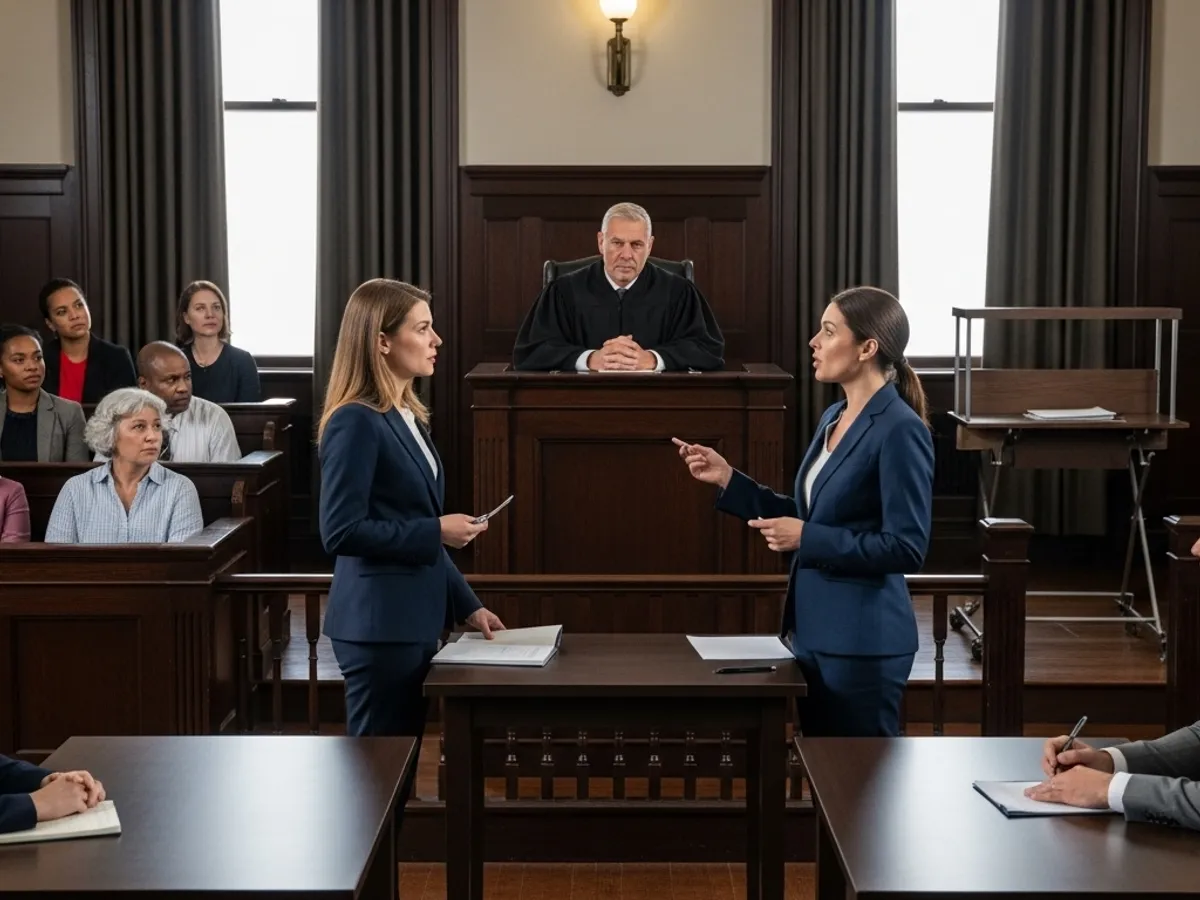
If a settlement cannot be reached, the case will proceed to trial. At trial, both sides will present evidence, examine witnesses, and argue their respective positions before a judge or jury. The court will then render a judgment, which may include monetary damages, injunctive relief, or other remedies. Going to trial is a significant undertaking that requires meticulous preparation and strong legal representation. Your attorney will present your case, challenge the opposing party’s evidence, and advocate for your desired outcome. The judge or jury will consider the evidence and arguments presented and render a decision based on the applicable property law. The judgment may include various remedies, such as monetary compensation, orders to transfer property, or injunctions to prevent certain actions. Litigation is the most expensive strategy, which is why it is often recommended only as a last resort when other dispute resolution strategies have failed. While a trial can be a stressful and uncertain process, it is sometimes necessary to protect your property rights and achieve a just resolution. Be prepared for a rigorous and demanding process, and trust in your attorney’s expertise to guide you through it.
Tips and Warnings for Effective Property Law Advice
1. Seek Legal Advice Early for Property Dispute Resolution
Do not delay in seeking legal advice if you are involved in a property dispute. Early intervention by a property lawyer can help you understand your rights, assess your options, and take proactive steps to protect your interests. Delaying legal consultation can have serious consequences, potentially weakening your case and limiting your options. Consulting with an experienced real estate attorney is essential when facing real estate property disputes. Early advice can help you avoid costly mistakes, preserve evidence, and develop a strategic approach to resolve the dispute. Remember, the sooner you seek legal assistance, the better equipped you will be to navigate the complexities of property law and protect your property rights. Don’t wait until the situation escalates; proactive legal advice can make all the difference.
2. Document Everything Related to Real Estate Litigation Strategies
Maintain meticulous records of all communications, transactions, and events related to your land disputes. This documentation can be invaluable in supporting your claims and building a strong case. Keep copies of all contracts, deeds, correspondence, emails, photos, and any other relevant documents. Organize these materials chronologically and make them easily accessible. Thorough documentation provides a clear and accurate record of the events leading to the dispute, which can be crucial in negotiations, mediation, or litigation. Stay Organized: Your lawyer will need easy access to relevant documents. Maintaining an organized file saves time and potential fees. Detailed records can also help you recall important details and identify potential weaknesses in the opposing party’s case. Remember, the more comprehensive and organized your documentation, the stronger your position will be.
3. Understand Your Legal Rights and Obligations in Property Law
Familiarize yourself with the property law in your jurisdiction, including relevant statutes, regulations, and case precedents. This knowledge will empower you to make informed decisions and effectively advocate for your interests. Understanding your rights and obligations can help you avoid misunderstandings, identify potential violations, and protect your property rights. Research the applicable laws, consult with legal professionals, and stay informed about any changes in property law. Knowledge is power, and a solid understanding of your legal position can significantly enhance your ability to resolve land disputes favorably. Remember to consult with a property lawyer to ensure you have an accurate and up-to-date understanding of your legal rights and obligations.
4. Consider the Costs and Benefits of Real Estate Litigation
Before pursuing real estate litigation, carefully consider the potential costs, risks, and benefits involved. Litigation can be expensive and time-consuming, and there is no guarantee of a favorable outcome. Discuss these factors with your real estate lawyer to make an informed decision. The costs of litigation can include attorney fees, court costs, expert witness fees, and other expenses. The risks can include an unfavorable judgment, a lengthy and stressful process, and damage to relationships. The benefits can include a favorable judgment, protection of your property rights, and a sense of justice. Weigh these factors carefully and consider alternative dispute resolution methods before committing to litigation. Remember, a pragmatic and informed decision is essential for achieving a successful resolution. It’s important to have effective property law advice before making this decision.
5. Be Prepared for Negotiation and Compromise for Civil Lawyer Property
Successful property dispute resolution often requires a willingness to negotiate and compromise. Be open to exploring creative solutions and reaching mutually agreeable settlements that address the interests of all parties involved. A collaborative approach can lead to more efficient and satisfying outcomes compared to adversarial litigation. Consider the other party’s perspective, identify common ground, and be willing to make concessions to reach a resolution. Remember, negotiation and compromise can preserve relationships, reduce costs, and achieve a win-win outcome. Having a skilled civil lawyer property can help guide you through this process.
6. Engage Experts When Necessary for Property Sale Agreement
In complex land disputes, it may be necessary to engage expert witnesses, such as surveyors, appraisers, or engineers, to provide specialized knowledge and opinions. Your property lawyer can help you identify and retain qualified experts to support your case. Expert testimony can be crucial for establishing key facts, interpreting complex data, and persuading the court or opposing party of the merits of your claims. Choose experts carefully and ensure they have the necessary qualifications, experience, and credibility. Remember, expert testimony can significantly strengthen your case and increase your chances of a favorable outcome. Without the property sale agreement in place, it may be more difficult to work with an expert.

7. Avoid Emotional Decision-Making in Real Estate Litigation
Property disputes can be emotionally charged, but it is important to avoid making decisions based on anger, frustration, or resentment. Remain calm, rational, and focused on your long-term goals, and rely on the guidance of your real estate lawyer to navigate the process effectively. Emotional decision-making can lead to impulsive actions, poor judgment, and unfavorable outcomes. Take a step back, assess the situation objectively, and consult with your attorney before making any decisions. Remember, a calm and rational approach will help you protect your interests and achieve a successful resolution. Engage a Specialized Real Estate Attorney: Hiring an experienced real estate lawyer is crucial.
Conclusion: Achieving Justice and Closure in Property Matters
Property dispute resolution requires a strategic and proactive approach, combining legal knowledge with practical solutions. By understanding your rights, gathering evidence, exploring ADR methods, and working with a skilled property lawyer, you can effectively navigate land disputes, protect your interests, and achieve a just and equitable outcome. Remember that clarity, justice, and closure are the ultimate goals, whether attained in court or through collaborative resolution techniques. The complexity of real estate disputes underscores not just the challenges they present but also the critical importance of expert guidance from the outset. For expert advice and assistance with real estate disputes, we encourage readers to contact Fernald & Zaffos, a reputable real estate law firm.
Quick Summary
Navigating property disputes effectively demands a strategic blend of legal insight and practical solutions. This involves understanding your rights, gathering comprehensive evidence, and exploring Alternative Dispute Resolution (ADR) before considering litigation. Partnering with a skilled property lawyer is crucial to protect your interests and achieve justice, whether through negotiation, mediation, or court proceedings. Remember, clarity, justice, and closure are the ultimate goals, whether attained in court or through collaborative resolution techniques. Effective property law advice is critical for safeguarding your assets and securing your property rights.
Reach out to Advocate today for a consultation on your property dispute. Call or WhatsApp +91-92121-97427. Shashi Kiran Advocate is the professional website of Advocate Shashi Kiran, Advocate-on-Record with the Supreme Court of India. Visit Advocate for more information.
FAQs
What types of property disputes require strategic real estate litigation strategies?
Property disputes involving boundary disagreements, contract breaches, title issues, or land acquisition often benefit from strategic real estate litigation to protect property rights and investments.
How can a real estate lawyer provide effective property law advice?
A real estate lawyer can provide effective property law advice by assessing the dispute, explaining legal options, negotiating settlements, and representing clients in court to achieve favorable outcomes.
What role does a civil lawyer property play in property dispute resolution?
A civil lawyer property plays a crucial role in property dispute resolution by providing legal guidance, drafting legal documents, negotiating settlements, and representing clients in court to protect their property rights. Secure your future with a dedicated civil advocate’s strategic approach.
What are the key steps in resolving land disputes effectively with legal action?
The key steps in resolving land disputes effectively include consulting a lawyer, gathering evidence, exploring ADR, filing a lawsuit if necessary, and pursuing negotiation or trial to reach a resolution. Shielding your assets from contentious property disputes in Delhi.
Why is it important to seek timely legal advice for title issues and legal notice property matters?
Seeking timely legal advice for title issues and legal notice property matters ensures that property owners understand their rights, can take proactive steps to protect their interests, and avoid potential legal complications.