
Understanding the Role of High Court Legal Representation
Navigating the intricacies of the high court requires specialized knowledge and strategic expertise. High court legal representation is essential for individuals and organizations facing complex legal challenges. This section explores the significance of experienced counsel in ensuring a fair and just legal process.
The Importance of Experienced Counsel in High Court
Experienced legal counsel provides invaluable assistance in interpreting complex legal statutes and precedents. Their expertise ensures that clients understand their rights and obligations within the high court system. Effective representation can significantly impact the outcome of legal proceedings, making it crucial to seek qualified professionals. According to McDermott litigation team, litigation strength and strategy to obtain favorable outcomes. Government litigation often involves unique issues—not to mention potential
How High Court Legal Representation Ensures a Fair Legal Process
Competent legal representation safeguards against procedural errors and ensures that all parties are treated equitably. Attorneys advocate for their clients’ interests while upholding the principles of justice and fairness. This advocacy is vital in maintaining the integrity of the legal system. As the Supreme Court recognized in 1963 in Gideon v. Wainwright, the U.S. Constitution grants no categorical right to counsel in civil cases.

Step-by-Step Guidance on Filing a Case in High Court
Filing a case in the high court involves several critical steps that must be followed meticulously. Understanding each stage of the process is essential for a successful legal action. This section provides a detailed, step-by-step guide to help you navigate the complexities of high court procedures. Each of California’s 58 counties has its own procedural rules for document filing and conducting civil and criminal litigation
Initial Consultation and Case Assessment
The first step involves consulting with an attorney to assess the merits of your case. The attorney will evaluate the facts, review relevant documents, and advise you on the potential outcomes. This initial assessment is crucial in determining the viability of your legal action.
Drafting and Filing the Petition or Application
Once the case is deemed viable, the next step is drafting the petition or application. This document must clearly state the legal grounds for your case and the remedies sought. The petition must comply with all formatting and procedural requirements of the high court.
Serving the Notice to the Respondent
After filing the petition, the respondent (the opposing party) must be formally notified. This typically involves serving them with a copy of the petition and a summons to appear in court. Proper service is essential to ensure that the respondent has an opportunity to respond to the allegations.
Filing a Response and Rejoinder
The respondent has a specified period to file a response to the petition, outlining their defense. The petitioner then has the opportunity to file a rejoinder, addressing the points raised by the respondent. This exchange of pleadings helps to clarify the issues before the court.
Court Hearings and Arguments
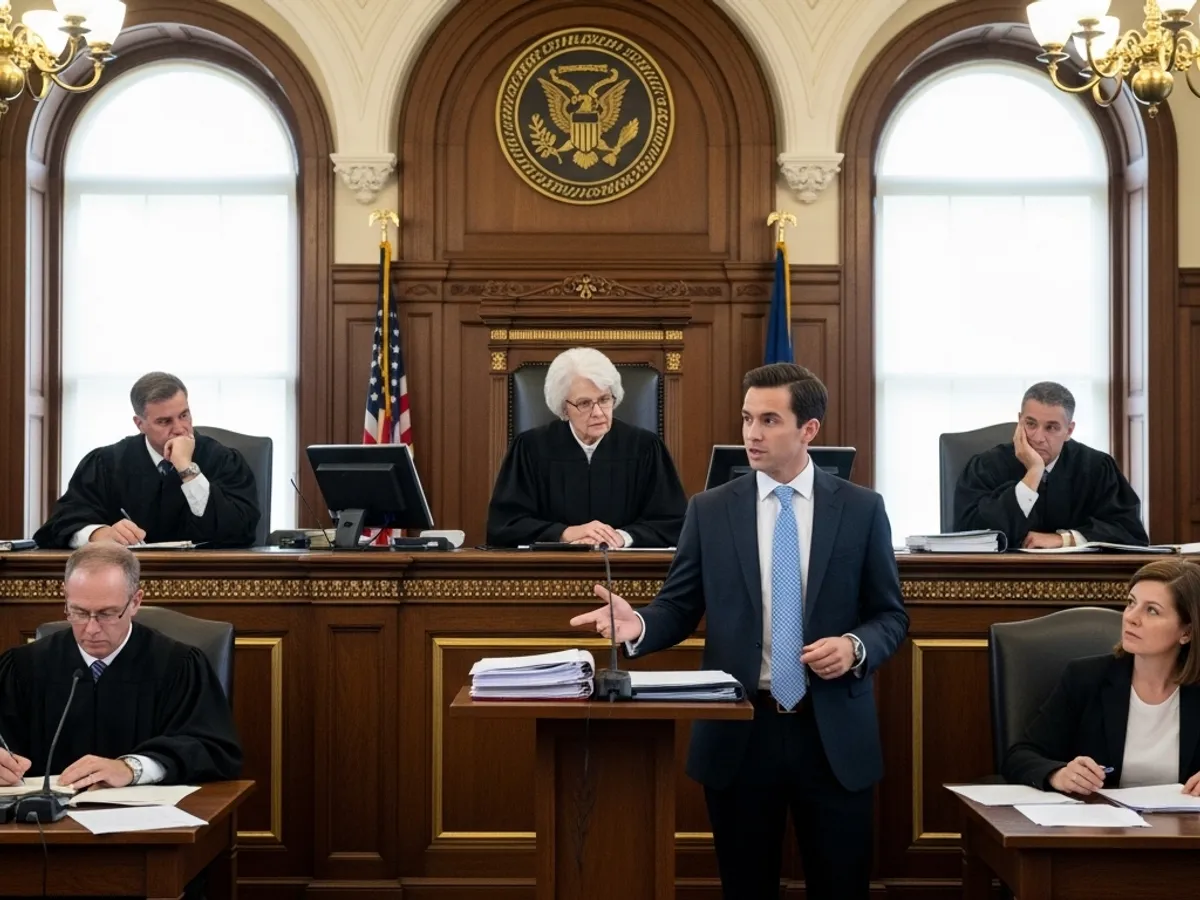
The court will schedule hearings to hear arguments from both sides. During these hearings, attorneys present evidence, examine witnesses, and argue legal points. Effective presentation and advocacy are critical to persuading the court.
Judgment and Decree
After considering the evidence and arguments, the court will issue a judgment or decree. This decision is binding on the parties and enforceable by law. If dissatisfied with the outcome, the losing party may have the right to appeal.

Understanding the Appeals Process Guidance in High Court
Navigating the appeals process guidance in the high court requires a clear understanding of appellate procedures and timelines. This section offers detailed appeals process guidance to help you prepare and present your case effectively. As Foley Hoag attorneys have a proven track record of successful appellate results for civil and criminal clients at all stages of appeal.
Grounds for Appeal
An appeal can only be filed on specific grounds, such as errors of law, errors of fact, or procedural irregularities. It is essential to identify valid grounds for appeal before initiating the process. Consulting with an attorney is crucial in determining the appropriateness of an appeal. In the words of Daniel S. Volchok, Partner at Foley Hoag, [(/cdn-cgi/l/email-protection#e98d8887808c85c79f86858a818682a99e8085848c9b8188858cc78a8684)].
Filing the Appeal
The appeal must be filed within a specific timeframe, typically from the date of the original judgment. The appellate court requires specific documents, including the notice of appeal, the trial court record, and appellate briefs. Failure to comply with these requirements can result in dismissal of the appeal.
Preparing Appellate Briefs
Appellate briefs are written arguments that present your case to the appellate court. These briefs must clearly articulate the legal issues, cite relevant precedents, and persuade the court to overturn the lower court’s decision. Effective legal writing and research are essential for preparing compelling appellate briefs.
Oral Arguments
The appellate court may schedule oral arguments, where attorneys present their case in person. Oral arguments provide an opportunity to clarify legal points and answer questions from the judges. Preparation and strong advocacy skills are crucial for success in oral arguments.
Decision of the Appellate Court
After considering the briefs and oral arguments, the appellate court will issue a decision. This decision can affirm, reverse, or modify the lower court’s judgment. The appellate court’s decision is binding on the parties, subject to any further appeals.
Developing a Litigation Strategy for High Court
Crafting an effective litigation strategy for high court is essential for success in the high court. This involves careful planning, thorough preparation, and strategic decision-making. This section provides key insights into developing a robust litigation strategy for high court cases. We work closely with our trial colleagues from the outset to develop a winning litigation strategy in all cases, including those where the stakes are high.
Assessing the Strengths and Weaknesses of Your Case
A critical first step is to objectively assess the strengths and weaknesses of your case. This involves identifying favorable and unfavorable evidence, potential legal challenges, and possible defenses. A realistic assessment helps in developing a targeted litigation strategy.
Gathering Evidence and Conducting Discovery
Gathering evidence is a crucial aspect of litigation. This involves collecting documents, interviewing witnesses, and conducting depositions. Effective discovery can uncover critical information that strengthens your case.
Pre-Trial Motions and Hearings
Pre-trial motions can significantly impact the course of litigation. Motions to dismiss, motions for summary judgment, and other pre-trial hearings can resolve key issues before trial. Strategic use of pre-trial motions can streamline the litigation process and improve your chances of success.
Trial Preparation and Presentation
If the case proceeds to trial, thorough preparation is essential. This involves preparing witnesses, organizing exhibits, and developing a persuasive trial strategy. Effective presentation of evidence and strong advocacy skills are crucial for winning at trial.
Post-Trial Motions and Appeals
After trial, post-trial motions may be necessary to challenge the verdict or seek a new trial. If unsuccessful, an appeal may be filed to seek review by a higher court. Understanding post-trial options and appellate procedures is essential for preserving your rights.

Addressing Specific Cases in High Court: Civil, Criminal, and Writ Petitions
The high court handles a variety of cases, including civil disputes, criminal matters, and writ petitions. Understanding the specific procedures and considerations for each type of case is crucial. This section provides insights into navigating these different types of cases in the high court.
Filing Civil Cases in High Court
Civil cases in the high court often involve disputes over contracts, property, or torts. The procedures for filing and litigating civil cases are governed by specific rules of civil procedure. Effective legal representation is essential for navigating the complexities of civil litigation. Navigate intricate civil litigation with a leading advocate’s expertise, ensuring your rights are protected and your case is presented effectively.
Handling Criminal Cases in High Court
Criminal cases in the high court involve serious offenses that can result in significant penalties. Defendants have the right to counsel, the right to remain silent, and the right to a fair trial. Experienced criminal defense attorneys can protect these rights and advocate for the best possible outcome.
Understanding High Court Writ Petitions
Writ petitions are filed to seek judicial review of actions by government agencies or lower courts. Common types of writ petitions include habeas corpus, mandamus, and certiorari. Filing a successful writ petition requires a thorough understanding of administrative law and constitutional principles.

Navigating Administrative Law Appeals and Constitutional Matters
The high court often deals with administrative law appeals and constitutional matters. These cases require specialized knowledge of government regulations and constitutional law principles. This section provides guidance on handling these complex legal issues. Clients rely on our team of experienced regulatory litigators and former high-level Department of Justice and other agency officials to handle all aspects of administrative law litigation—from submitting comments to agencies and analyzing potential litigation challenges, to bringing and defending challenges in federal court.
Understanding Administrative Law Appeals
Administrative law appeals involve challenging decisions made by government agencies. These appeals often require a detailed understanding of agency procedures and regulations. Effective legal representation can help ensure that agency decisions are fair and lawful. A court of appeals hears appeals from the district courts in its circuit. It can also hear appeals from decisions of federal administrative agencies.
Handling Constitutional Matters
Constitutional matters involve interpreting and applying the provisions of the constitution. These cases often raise complex legal and policy issues. Experienced attorneys can provide expert guidance on constitutional law principles and advocate for their clients’ rights. The U.S. Supreme Court has a Chief Justice and 8 associate justices. The Supreme Court can choose a limited number of cases from the cases it is asked to decide. Those cases may begin in the federal or state courts. And they usually involve important questions about the U.S. Constitution or federal law.
Strategic Counseling and Advice on Legal Issues
Strategic counseling involves providing clients with proactive advice on legal issues before they escalate into disputes. This includes analyzing pending legislation, assessing potential legal challenges, and developing strategies to minimize legal risks. Proactive legal advice can save time and money in the long run.

Securing Bail Application in High Court
Obtaining bail is a critical step for defendants awaiting trial. The high court has specific procedures for filing and arguing bail application in high court. This section provides guidance on how to secure bail in the high court. When accusations fly, an anticipatory bail lawyer is your first call, providing essential legal protection.
Factors Considered in Granting Bail
The court considers several factors when deciding whether to grant bail, including the seriousness of the offense, the defendant’s criminal history, and the risk of flight. Presenting compelling evidence that the defendant is not a flight risk and poses no danger to the community is essential. An experienced criminal defense lawyer can help you with a bail reduction motion in California criminal cases.
Filing the Bail Application
The bail application must be filed with the high court, along with supporting documents. These documents may include affidavits, character references, and evidence of community ties. The application must clearly state the reasons why bail should be granted.
Arguing the Bail Application
At the bail hearing, the attorney will argue why the defendant should be released on bail. This involves presenting evidence, cross-examining witnesses, and making legal arguments. Effective advocacy is crucial for persuading the court to grant bail.

Exploring Legal Remedies in High Court
The high court offers various legal remedies to address different types of legal wrongs. Understanding these remedies is essential for seeking appropriate relief. This section explores the available legal remedies in the high court.
Injunctions
Injunctions are court orders that require a party to do or refrain from doing something. They can be used to prevent irreparable harm or to enforce legal rights. Obtaining an injunction requires demonstrating a clear legal right and a likelihood of success on the merits.
Declaratory Judgments
Declaratory judgments are court orders that declare the rights and obligations of the parties. They can be used to resolve legal uncertainties and prevent future disputes. Obtaining a declaratory judgment requires demonstrating a justiciable controversy and a need for judicial resolution.
Damages
Damages are monetary compensation awarded to a party who has suffered harm. They can be compensatory, punitive, or nominal. Proving damages requires demonstrating a causal link between the defendant’s actions and the plaintiff’s harm.

Tips for Choosing the Right High Court Legal Representation
Selecting the right legal representation is critical for a successful outcome in the high court. This section offers practical tips for choosing qualified and experienced counsel. The California legal process requires pre-trial representation, as criminal defense attorneys can participate throughout all phases of a case.
Evaluate Experience and Expertise
Look for attorneys who have extensive experience in handling high court cases. Consider their track record, their knowledge of relevant laws, and their expertise in litigation strategy for high court. Experienced attorneys are more likely to provide effective representation. As property dispute resolution is often complex, a lawyer with years of experience will be beneficial.
Check Credentials and Reputation
Verify the attorney’s credentials, including their bar membership and any disciplinary actions. Check their reputation among peers and clients. Positive reviews and endorsements are good indicators of competence and professionalism.
Assess Communication and Compatibility
Choose an attorney who communicates clearly and effectively. Make sure you feel comfortable discussing your case with them and that they understand your goals. Good communication and compatibility are essential for a successful attorney-client relationship.

Conclusion
Navigating the high court requires a thorough understanding of legal procedures, strategic planning, and experienced high court legal representation. Whether you are filing a case, appealing a decision, or seeking legal remedies, qualified counsel can guide you through the process and advocate for your rights. By carefully selecting experienced legal representation and understanding the intricacies of high court procedures, you can navigate the legal system effectively and achieve the best possible outcome.
Quick Summary
Navigating the high court effectively requires experienced legal counsel to understand complex procedures and develop a strong litigation strategy. Key steps include assessing the case, filing necessary petitions, understanding the appeals process guidance, and exploring available legal remedies. Specific cases such as civil, criminal, and writ petitions each have unique procedures, as do administrative law appeals and constitutional matters. Securing bail and choosing the right legal representation are also crucial for a successful outcome in the high court.
FAQs
What is the role of high court legal representation in ensuring a fair legal process?
High court legal representation ensures a fair legal process by safeguarding against procedural errors, ensuring equitable treatment, and advocating for clients’ interests while upholding justice and fairness.
What factors should be considered when choosing high court legal representation?
When choosing high court legal representation, evaluate experience and expertise, check credentials and reputation, and assess communication and compatibility to ensure a successful attorney-client relationship.
How does the appeals process guidance in the high court work?
The appeals process guidance in high court involves understanding grounds for appeal, filing the appeal within specified timelines, preparing appellate briefs, presenting oral arguments, and understanding the appellate court’s decision.
What legal remedies are available in the high court?
Legal remedies available in the high court include injunctions, which are court orders requiring specific actions or inactions; declaratory judgments, which declare parties’ rights; and damages, which provide monetary compensation for suffered harm.
How do you secure a bail application in high court?
Securing a bail application in high court involves presenting compelling evidence that the defendant is not a flight risk, filing the bail application with supporting documents, and effectively arguing the application in court.
Reach out today for a consultation with Advocate Shashi Kiran for expert Supreme Court Senior Advocate services. Call or WhatsApp +91-92121-97427 or visit https://shashikiranadvocate.com/ for a confidential consultation.