

Understanding the Essence of the Civil Litigation Process
Civil litigation involves resolving disputes between individuals, businesses, or organizations in a court of law. Unlike criminal cases, civil law focuses on compensation or resolution rather than punishment. Understanding this fundamental aspect is the first step in navigating the civil litigation process effectively. This process often involves complex court procedures, making skilled legal representation essential.
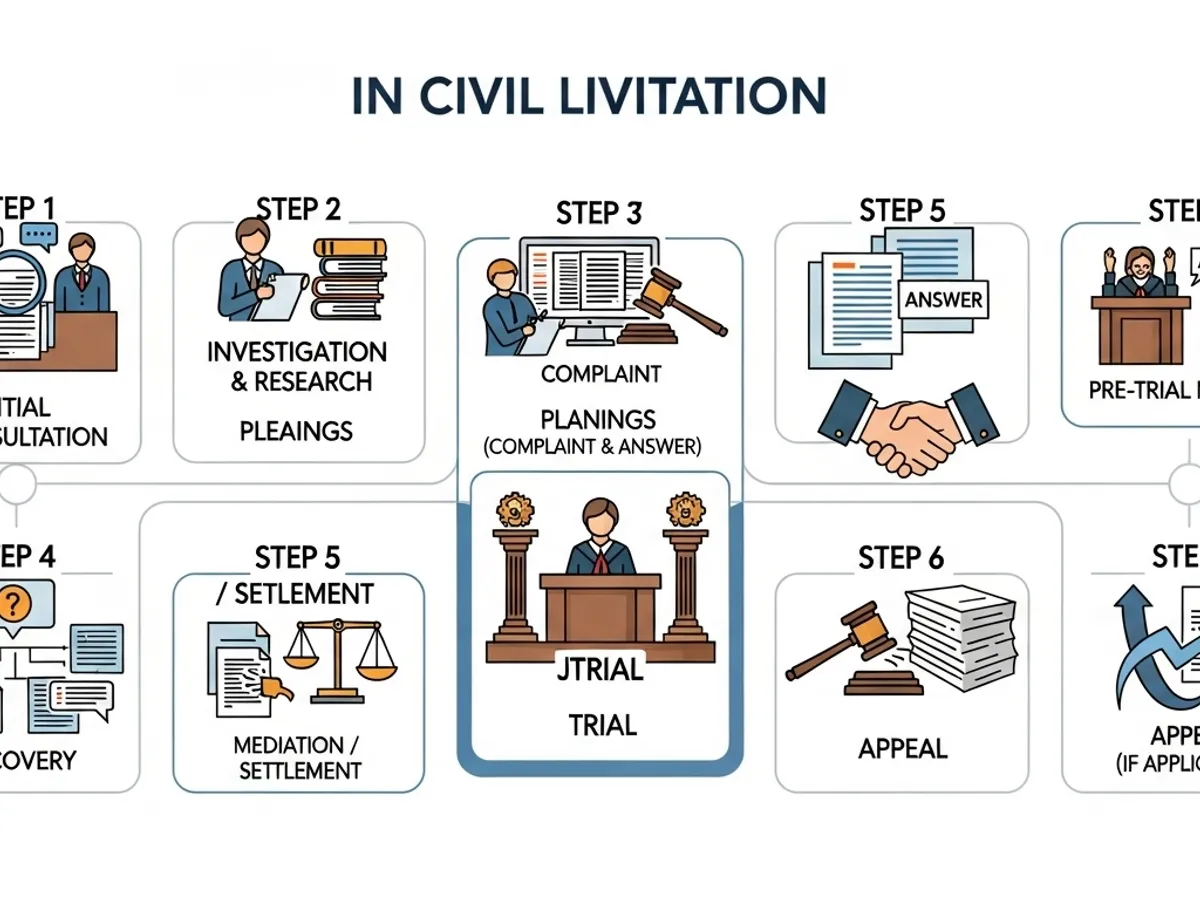
Step-by-Step Instructions: Mastering the Civil Litigation Journey
1. Initial Consultation: Laying the Groundwork with Legal Counsel
The first step is to seek legal counsel for an initial consultation. This meeting allows you to explain your situation and explore potential legal remedies. A skilled attorney will assess the case and explain the next steps, ensuring you understand your options. This is a critical stage where a legal strategy for civil cases begins to take shape.

2. The Importance of Legal Representation in Civil Law
Hiring a civil litigation attorney is crucial for navigating the legal landscape. An attorney brings expert knowledge and experience in civil law and litigation procedures. They can explain the law and procedures, offering benefits that outweigh self-representation. From understanding complex court procedures to developing a robust legal strategy for civil cases, an attorney’s expertise is invaluable. As the legal system becomes increasingly intricate, the value of a seasoned civil litigation attorney cannot be overstated. They offer clarity, guidance, and a strategic advantage, ensuring that you are well-represented and informed throughout the entire process. Why navigate these complex waters alone when you can have a knowledgeable advocate by your side?

3. Pleadings and Discovery: Gathering and Exchanging Information
Parties exchange pleadings, including the complaint, answer, and any counterclaims. Discovery then occurs, where parties gather evidence through interrogatories, depositions, and document requests. This phase is critical for building a strong legal strategy for civil cases.

4. Settlement Negotiation: Seeking Resolution Outside the Courtroom
Throughout the civil litigation process, parties may engage in settlement negotiations to resolve the dispute resolution outside of court. This can save time and expenses, aiming for a fair resolution without the unpredictability of a trial. A skilled civil litigation attorney can guide you through these negotiations, ensuring your interests are protected. Settling a case often hinges on effective communication and a deep understanding of the legal nuances involved. By leveraging their expertise, attorneys can navigate these discussions with precision, striving for outcomes that align with your goals and minimize potential risks.

5. Pre-Trial Preparation: Strategizing for Court Procedures
After discovery, lawyers prepare for trial, sorting through evidence and arguing legal issues. They’ll sort through evidence, argue legal issues to posture the case for trial, design their trial strategy and themes, and more. In addition, your lawyer may file motions asking the court for rulings, such as excluding or including certain pieces of evidence. This meticulous preparation is essential for a compelling presentation in court, requiring a deep understanding of court procedures and a well-thought-out legal strategy for civil cases.

6. Trial: Presenting Your Case with a Skilled Advocate
If a settlement isn’t possible, a trial may be necessary. The attorney’s courtroom skills shine here, presenting your case and arguing on your behalf. They strive to convince the judge or jury of your position. This stage requires a skilled advocate who understands court procedures and can effectively present a legal strategy for civil cases. The courtroom is where all the preparation culminates, demanding not only legal acumen but also persuasive communication skills. The ability to articulate arguments clearly, present evidence convincingly, and respond adeptly to opposing counsel can significantly impact the outcome of the trial. Having a seasoned attorney at this critical juncture ensures that your case is presented in the most favorable light, maximizing your chances of success.

7. Judgment and Appeal Process in Civil Cases
Once the trial concludes, the judge or jury will render a verdict. This is the official decision in the case, and depending on the outcome, the losing party may appeal. The appeal process is where the attorney’s courtroom skills shine. They present your case, argue on your behalf, and strive to convince the judge of your position.

8. Mastering Effective Litigation Skills for Civil Disputes
Effective litigation involves a unique set of skills honed through experience and continuous learning. This includes understanding The Code of Civil Procedure (CPC) and developing effective communication skills. Deepening your understanding of The Code of Civil Procedure (CPC), developing effective communication skills like verbal advocacy, writing statements concisely and persuasively; mastery of courtroom etiquette including nonverbal cues and body language will increase your chances of success. These skills are essential for anyone hiring a civil advocate.

9. Civil Litigation Attorney Services: Protecting Your Legal Rights
Civil litigation attorney services protect your legal rights, providing legal expertise and strategic guidance. A civil litigator assesses the merits of a case, develops a legal strategy, and provides guidance. These services are crucial when hiring a civil advocate.

Tips for Successfully Navigating Civil Litigation
1. Seeking Legal Counsel Early
The first and most crucial step is seeking legal counsel early. A knowledgeable attorney experienced in civil cases can provide essential guidance. This is the cornerstone of a solid legal strategy for civil cases.
2. Understanding Court Procedures
Make sure you follow the court procedures by reading the laws that affect your case. This includes the California Code of Civil Procedure and California Rules of Court. Hiring a civil advocate can help you navigate these complexities.
3. Engaging in Dispute Resolution
Look at options that solve your problem without going to court, such as alternative dispute resolution (ADR) like mediation or arbitration. These methods can save time and money, aligning with a smart legal strategy for civil cases.
4. Preparing for Case Preparation
Engage in thorough case preparation by providing information to each other about the case. Assemble evidence and prepare to call witnesses. Effective case preparation is vital for a successful civil litigation process.
5. Understanding Types of Litigation
Each type of civil litigation demands specific legal expertise and strategies. Civil dispute lawyers often specialize in these areas. Therefore, when hiring a civil advocate, ensure they have expertise in your specific type of case.
Conclusion: Empowering Your Civil Litigation Journey with a Skilled Advocate
Navigating civil litigation effectively requires understanding the civil litigation process and the importance of hiring a civil advocate. A legal strategy for civil cases ensures your legal rights are protected. Skilled legal representation and attorney services can guide you through court procedures and dispute resolution. With the right legal counsel, you can confidently face civil cases. Remember, whether you’re dealing with a simple disagreement or a complex legal battle, the right civil litigation attorney can make all the difference.
Quick Summary: Navigating Civil Litigation with Expertise
Navigating civil litigation involves understanding key steps like initial consultation, pleadings, discovery, settlement negotiation, pre-trial preparation, trial, and judgment. Hiring a civil advocate is crucial for expert legal representation and strategic guidance throughout the process. Effective litigation skills, thorough case preparation, and understanding court procedures are essential for a successful outcome. Alternative dispute resolution methods, such as mediation and arbitration, can also help resolve disputes outside of court. A skilled attorney ensures your legal rights are protected and provides the necessary support for a confident journey through civil litigation.
FAQs About Civil Litigation
What is civil litigation?
Civil litigation is the process of resolving disputes between individuals or entities in a court of law, focusing on compensation or resolution rather than criminal punishment. It involves various stages, including pleadings, discovery, and trial, where a judge or jury makes a final decision.
Why is hiring a civil advocate important?
Hiring a civil advocate provides expert knowledge of civil law and court procedures, ensuring proper legal representation and strategic guidance throughout the litigation process. A skilled attorney can assess the merits of your case, negotiate settlements, and advocate for your rights in court.
What are the key steps in the civil litigation process?
The key steps include an initial consultation, pleadings and discovery, settlement negotiation, pre-trial preparation, trial, and judgment. Each stage requires careful attention to detail and a solid understanding of legal procedures.
What is the role of settlement negotiation in civil litigation?
Settlement negotiation aims to resolve disputes outside of court, saving time and expenses. It involves discussions between parties, often facilitated by their attorneys, to reach a mutually agreeable resolution.
How can alternative dispute resolution (ADR) help in civil litigation?
ADR methods like mediation and arbitration offer alternative ways to resolve disputes without going to trial. These processes can be more efficient and cost-effective, providing a neutral setting for parties to reach a settlement.
Reach out today for a consultation with Advocate to discuss your case. As a Supreme Court Senior Advocate, Shashi Kiran Advocate provides expert legal counsel and strategic guidance for civil litigation, ensuring your rights are protected. Call or WhatsApp +91-92121-97427.


