1. Understanding the Landscape of Property Disputes and the Role of a Property Lawyer
Property disputes can arise in various forms, stemming from disagreements over boundaries, ownership, or usage rights. Navigating these complexities often requires the expertise of a property lawyer skilled in real estate law and civil litigation. Understanding the common types of disputes, such as land disputes, title issues, and boundary disputes, is the first step in developing an effective legal strategy. These conflicts can arise between neighbors, family members, or even businesses, making it essential to understand the nuances involved. Seeking legal advice early on can help clarify your rights and options, setting the stage for a smoother resolution. The role of a property lawyer is to provide guidance, represent your interests, and navigate the complexities of the legal system.

2. Step-by-Step Instructions for Navigating Property Disputes
2.1 Initial Consultation with a Property Disputes Lawyer
Begin by consulting with a seasoned property disputes lawyer to evaluate your case. This initial step is crucial for understanding your property rights and the potential legal pathways available. An adept property lawyer can provide insights into whether your dispute involves land disputes, boundary disputes, or more complex real estate law matters. As Advocate, a leading property dispute lawyer Delhi, we understand the intricacies of property law and are committed to providing strategic legal advice. Initial consultations help clarify the nature of the dispute and outline the best course of action. Understanding the initial steps is vital for managing expectations and preparing for the legal journey ahead.
2.2 Gathering and Organizing Documentation
Collect all relevant documents pertaining to your property. This includes deeds, titles, surveys, and any correspondence related to the dispute. Thorough documentation is essential for your property lawyer to build a strong legal strategy. Documents such as purchase agreements, lease agreements, and property deeds provide concrete evidence of ownership and boundaries. Organizing these documents chronologically and categorizing them can significantly streamline the legal process. For example, contracts outline the terms of agreements, while correspondence can reveal important communications between parties involved. Accurate and comprehensive records are indispensable for a successful resolution.
2.3 Assessing the Legal Grounds and Options
Your property lawyer will assess the legal grounds of your dispute, determining the best course of action. Options may include negotiation, mediation, arbitration, or civil litigation. Understanding these options is vital for making informed decisions. Depending on the nature of the dispute, a legal strategy may involve exploring alternative dispute resolution (ADR) methods or preparing for a trial. Assessing the strength of your case and understanding the potential outcomes are critical for setting realistic expectations. A skilled civil advocate can evaluate the evidence and provide a clear roadmap for navigating the legal landscape. This assessment phase is pivotal in shaping the overall approach to resolving the dispute.
2.4 Engaging in Negotiation and Mediation
Attempt to resolve the property dispute through negotiation and mediation. A skilled property lawyer can represent you in these discussions, aiming for a mutually agreeable resolution. This approach can often save time and resources compared to litigation. Negotiation involves direct communication with the opposing party, while mediation involves a neutral third party who facilitates discussions. Both methods aim to find common ground and reach a settlement that satisfies all parties involved. Effective negotiation and mediation can lead to quicker and less expensive resolutions, preserving relationships and minimizing stress. A Delhi NCR advocate property can expertly guide you through these processes, ensuring your interests are protected.
2.5 Preparing for Civil Litigation if Necessary
If negotiation and mediation fail, prepare for civil litigation with your property lawyer. This involves filing a lawsuit and presenting your case in court. A strong legal strategy is crucial for success in litigation. Civil litigation is a formal process that requires meticulous preparation, including gathering evidence, drafting legal documents, and presenting arguments in court. Your property lawyer will guide you through each step, ensuring your case is presented effectively. Understanding the rules of evidence and court procedures is essential for a successful outcome. Litigation can be time-consuming and costly, but it may be necessary to protect your property rights when other methods fail. Having a competent civil advocate by your side is paramount.

2.6 Understanding Real Estate Law and Property Rights
Gain a solid understanding of real estate law and your property rights. Your property lawyer will guide you through relevant laws and regulations, ensuring you are well-informed throughout the process. Knowledge of property rights is essential for protecting your interests. Real estate law encompasses a wide range of legal principles governing the ownership, use, and transfer of property. Understanding concepts such as easements, liens, and zoning regulations can empower you to make informed decisions. Your property lawyer will explain these complex legal concepts in plain language, helping you navigate the legal landscape with confidence. Being well-versed in your property rights is crucial for asserting your claims and defending against unwarranted actions.
2.7 Addressing Title Issues and Boundary Disputes
If your dispute involves title issues or boundary disputes, seek specialized legal advice. These cases often require detailed surveys and expert testimony. Your property lawyer will coordinate these efforts to strengthen your position. Title issues can arise from errors in property records, conflicting claims of ownership, or undisclosed liens. Boundary disputes typically involve disagreements over the location of property lines, often necessitating surveys and historical records. Expert testimony from surveyors and other professionals can provide crucial evidence in these cases. Addressing these issues requires a thorough understanding of real estate law and meticulous attention to detail. A qualified property lawyer can help navigate these complexities and protect your interests.
2.8 Navigating Partition Suits
In cases involving multiple owners, a partition suit may be necessary. Your property lawyer can guide you through this complex legal process, ensuring a fair division of property rights. Understanding partition suits is crucial for co-ownership disputes. Partition suits are legal actions to divide property owned by multiple parties when they cannot agree on how to manage or sell the property. The court may order a physical division of the property or, if that is not feasible, order the property to be sold and the proceeds divided among the owners. Navigating a partition suit requires a deep understanding of real estate law and court procedures. Your property lawyer will represent your interests and advocate for a fair outcome. A Delhi NCR advocate property can provide invaluable assistance in these matters.
2.9 Seeking Legal Advice Throughout the Process
Continue to seek legal advice from your property lawyer as the dispute progresses. Legal advice is essential for making informed decisions and adapting your strategy as needed. Property rights can be complex, making ongoing legal support invaluable. As a property dispute lawyer Delhi, Advocate provides continuous support and guidance throughout the entire process. The legal landscape can shift, and new information may come to light, necessitating adjustments to your legal strategy. Regular consultations with your property lawyer will ensure you remain well-informed and prepared for any developments. Proactive legal support can significantly increase your chances of a favorable resolution. Don’t hesitate to reach out for legal advice whenever you have questions or concerns.
2.10 Implementing a Strategic Legal Approach
Implement a strategic legal approach, guided by your property lawyer, to protect your interests and achieve a favorable outcome. A well-thought-out legal strategy is key to mastering property disputes. Success often hinges on a proactive and informed approach. A strategic legal approach involves setting clear goals, identifying potential risks and opportunities, and developing a plan to navigate the legal process effectively. Your property lawyer will tailor the strategy to your specific circumstances, taking into account the nature of the dispute, the applicable laws, and your desired outcome. This approach may involve negotiation, mediation, arbitration, or civil litigation. By implementing a strategic legal approach, you can maximize your chances of securing your property rights and achieving a favorable resolution.

3. Essential Tips and Warnings for Handling Property Disputes
3.1 Document Everything Meticulously
Keep detailed records of all communications, agreements, and expenses related to the property dispute. This documentation can serve as crucial evidence in negotiations or litigation. Maintaining a comprehensive record of all interactions, including emails, letters, and phone calls, is essential. Keep copies of all relevant documents, such as deeds, contracts, and survey reports. Organize these records in a secure and accessible manner. Thorough documentation can provide valuable support for your claims and help your property lawyer build a strong case. Don’t underestimate the importance of meticulous record-keeping in resolving property disputes.
3.2 Act Promptly to Protect Your Rights
Do not delay in seeking legal advice or taking action to protect your property rights. Delays can weaken your position and allow the other party to gain an advantage. Time is often of the essence in property disputes. Waiting too long to seek legal advice or take action can result in lost opportunities and diminished leverage. Statutes of limitations may limit the time you have to file a lawsuit. Prompt action demonstrates your commitment to protecting your property rights and can deter the other party from taking adverse actions. Consult with a property lawyer as soon as possible to understand your options and develop a proactive plan.
3.3 Avoid Escalating Conflicts
Strive to maintain a professional and respectful demeanor when dealing with the other party. Avoid escalating conflicts, as this can complicate the resolution process. Property disputes can be emotionally charged, but it’s crucial to remain calm and rational. Avoid personal attacks, threats, or inflammatory language. Focus on the facts and legal issues at hand. Escalating conflicts can lead to increased animosity, making it more difficult to reach a resolution. Maintaining a professional and respectful approach can facilitate constructive dialogue and increase the chances of a mutually agreeable outcome. Your property lawyer can help you navigate these sensitive interactions.
3.4 Understand the Costs Involved
Be aware of the potential costs associated with resolving the property dispute, including legal fees, court costs, and expert witness fees. Discuss these costs with your property lawyer upfront. Resolving property disputes can be expensive, so it’s essential to have a clear understanding of the potential costs involved. Legal fees can vary depending on the complexity of the case and the lawyer’s hourly rate. Court costs may include filing fees, service fees, and deposition costs. Expert witness fees may be incurred if you need to hire surveyors, appraisers, or other professionals to provide testimony. Discuss these costs with your property lawyer upfront and develop a budget for the litigation. Understanding the financial implications can help you make informed decisions about how to proceed.
3.5 Seek a Second Opinion if Necessary
If you are unsure about the legal advice you are receiving, seek a second opinion from another property lawyer. This can provide valuable perspective and ensure you are making informed decisions. It’s always a good idea to seek a second opinion when dealing with significant legal matters. Different property lawyers may have different perspectives on the case and may offer alternative strategies. A second opinion can help you gain a more comprehensive understanding of your options and make informed decisions. Be sure to choose a qualified and experienced property lawyer for your second opinion. This can provide valuable perspective and ensure you are making informed decisions about protecting your property rights.
3.6 Consider Alternative Dispute Resolution (ADR)
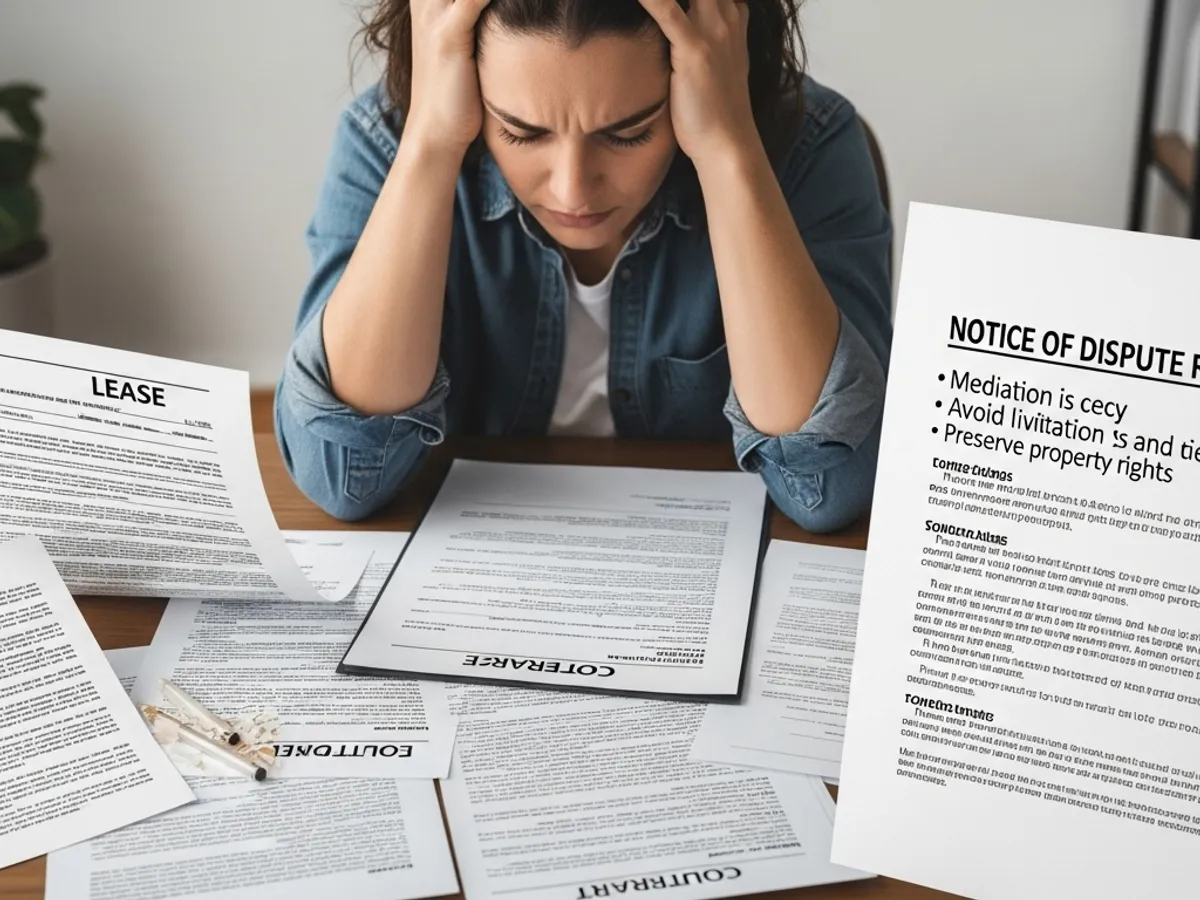
Explore alternative dispute resolution methods such as mediation or arbitration to resolve the dispute outside of court. ADR can be more efficient and cost-effective than litigation. ADR offers several advantages over traditional litigation, including lower costs, faster resolution, and greater flexibility. Mediation involves a neutral third party who facilitates discussions between the parties, helping them reach a mutually agreeable settlement. Arbitration involves a neutral third party who hears evidence and makes a binding decision. Both methods can be less adversarial and more collaborative than litigation. Your property lawyer can advise you on whether ADR is appropriate for your case and represent you in these proceedings.
3.7 Be Prepared for a Long Process
Property disputes can take time to resolve, so be prepared for a potentially lengthy process. Patience and persistence are key to achieving a favorable outcome. The legal process can be slow and unpredictable. Be prepared for delays, setbacks, and unexpected developments. Property disputes often involve complex legal issues, extensive discovery, and multiple court hearings. Maintaining a positive attitude and staying focused on your goals can help you navigate the challenges. Your property lawyer will keep you informed about the progress of your case and provide guidance throughout the process. Patience and persistence are essential for achieving a favorable resolution and protecting your property rights.
3.8 Protect Your Property Rights
Take steps to protect your property rights throughout the dispute, such as filing necessary legal documents or obtaining insurance coverage. Protecting your property rights may involve taking proactive steps to prevent further damage or loss. This may include filing a lis pendens, which provides notice to potential buyers that the property is subject to a legal dispute. It may also involve obtaining insurance coverage to protect against potential losses. Your property lawyer can advise you on the specific steps you need to take to protect your property rights during the dispute. Acting decisively can safeguard your interests and prevent further complications.
3.9 Communicate Openly with Your Lawyer
Maintain open and honest communication with your property lawyer, providing them with all relevant information and updates. Effective communication is crucial for a successful legal strategy. Transparency and honesty are essential for a strong attorney-client relationship. Your property lawyer needs to have a complete and accurate understanding of the facts to develop an effective legal strategy. Disclose all relevant information, even if it seems unfavorable. Keep your lawyer updated about any new developments or changes in circumstances. Open and honest communication will enable your lawyer to provide you with the best possible legal advice and representation. Effective communication is the cornerstone of a successful outcome.
3.10 Know Your Limits
Recognize when you need professional help and don’t hesitate to seek legal advice from a qualified property lawyer. Trying to handle a complex property dispute on your own can be risky. While it may be tempting to save money by representing yourself, property disputes often involve complex legal issues and procedures. A qualified property lawyer has the knowledge, skills, and experience to navigate these complexities effectively. Attempting to handle a complex property dispute on your own can lead to costly mistakes and jeopardize your chances of success. Recognizing your limits and seeking professional help can be a wise investment in protecting your property rights and achieving a favorable resolution.

4. Conclusion: Securing Your Property Interests with a Strategic Legal Approach
Mastering property disputes requires a strategic legal approach, beginning with a consultation with a skilled property lawyer. Understanding real estate law, documenting everything meticulously, and exploring alternative dispute resolution methods are essential steps. Whether you’re dealing with boundary disputes, title issues, or partition suits, seeking expert legal advice is crucial for protecting your property rights and achieving a favorable resolution. With the right legal strategy, you can navigate these challenges effectively and secure your property interests. Remember that early intervention and a proactive approach are key to resolving property disputes efficiently and favorably.
5. Quick Summary
Property disputes are complex and can involve issues like land disputes, title issues, and boundary disagreements. Engaging a skilled property lawyer is crucial for navigating these challenges. The process typically involves an initial consultation, gathering documentation, assessing legal options, and potentially engaging in negotiation, mediation, or civil litigation. Essential tips include meticulous documentation, prompt action, and exploring alternative dispute resolution methods. With a strategic legal approach, individuals can protect their property rights and achieve favorable resolutions. A proactive and informed approach is vital for successful outcomes.
6. FAQs About Property Disputes
6.1 What are the most common types of property disputes?
Common property disputes include boundary disputes, land disputes, title issues, and disagreements over property rights, often requiring the expertise of a property lawyer. These disputes can arise from various sources, including unclear property lines or conflicting ownership claims.
6.2 How can a property lawyer help in resolving a boundary dispute?
A property lawyer can help by reviewing property documents, conducting surveys, negotiating with neighbors, and representing you in court to resolve boundary disputes. Their expertise ensures your property rights are protected throughout the process.
6.3 Is mediation a viable option for resolving property disputes?
Yes, mediation is often a viable option as it allows for negotiation and compromise, potentially resolving the dispute without the need for civil litigation, saving time and resources. A skilled mediator can facilitate discussions and guide parties toward a mutually agreeable solution.
6.4 What should I do if I suspect a neighbor is encroaching on my property?
Consult with a property lawyer to review your property documents, conduct a survey if necessary, and discuss the best course of action, which may include negotiation or legal action to protect your property rights. Early intervention can prevent further encroachment and potential legal complications.
6.5 When should I consider civil litigation for a property dispute?
Consider civil litigation when negotiation and mediation fail to resolve the dispute, especially in cases involving complex real estate law or significant property rights violations, with guidance from your property lawyer. Civil litigation provides a formal legal avenue to assert your claims and seek a resolution.
For expert assistance in navigating property disputes, reach out to Advocate, a leading Property Dispute Lawyer Delhi. Call or WhatsApp +91-92121-97427 for a consultation.