

Introduction: Navigating the Complexities of Legal Representation in Delhi
In the year 2025, securing competent legal representation, particularly from a top supreme court advocate delhi, remains paramount for navigating the intricate Indian legal system. As Advocate Shashi Kiran, Advocate-on-Record with the Supreme Court of India, with over 35 years of extensive legal practice, I understand the need for authoritative and compassionate counsel. Whether you’re dealing with a complex constitutional matter, a high-stakes commercial dispute, or a critical criminal appeal, legal representation delhi can significantly impact the outcome of your case. This comprehensive guide will provide you with a step-by-step approach to find advocate delhi who can effectively represent your interests before the highest court of the land. We’ll explore the essential qualities to look for, the resources available to aid your search, and the due diligence required to make an informed decision, ensuring you have the best possible legal representation delhi.
Step 1: Defining Your Legal Needs and Case Requirements
Before embarking on your search for a supreme court lawyer delhi, it’s crucial to clearly define your legal needs and the specific requirements of your case. This involves understanding the nature of your legal issue, the jurisdiction it falls under, and the level of expertise required from your advocate.
Identifying the Nature of Your Case
Determine whether your case involves criminal law, civil law, constitutional law, or any other specialized area. Different advocates specialize in different fields, so identifying your case type will narrow down your search.
Assessing the Complexity of Your Case
Evaluate the complexity of your case. Is it a straightforward matter or does it involve intricate legal arguments, voluminous evidence, or multiple parties? Complex cases often require advocates with extensive experience and a deep understanding of the relevant laws and precedents.
Determining the Required Expertise
Consider whether you need an advocate with specific expertise in a particular area of law, such as intellectual property, taxation, or environmental law. Specialized knowledge can be invaluable in achieving a favorable outcome.

Step 2: Leveraging Online Resources and Legal Directories to Find Advocate Delhi
The internet offers a wealth of resources to help you find advocate delhi. Online legal directories, professional networking platforms, and the websites of legal organizations can provide valuable information and connect you with potential advocates.
Exploring Online Legal Directories
Utilize online legal directories like Bar & Bench, Live Law, and the Supreme Court of India’s website to search for advocates practicing in Delhi. These directories often provide detailed profiles of advocates, including their areas of specialization, experience, and contact information.
Utilizing Professional Networking Platforms
LinkedIn can be a useful tool for identifying and connecting with lawyers in supreme court delhi. Search for advocates based on their location, specialization, and professional experience. You can also view their profiles, read recommendations, and assess their suitability for your case.
Checking the Delhi High Court Advocates List
The Delhi High Court also maintains a list of advocates. High court advocates in Delhi may also practice in the Supreme Court. The High Court of Delhi’s website offers various resources including case information, virtual tours, accessibility services, forms, reports, a “Humour in Court” section, FAQs, directories, live streaming, and a sexual harassment complaint portal.

Step 3: Consulting with Legal Experts and Seeking Referrals for Supreme Court Lawyer Delhi
Personal recommendations and referrals from trusted sources can be invaluable in your search for the best advocate in delhi supreme court. Consulting with legal experts, colleagues, friends, or family members who have experience with the Delhi legal system can provide you with valuable insights and recommendations.
Seeking Referrals from Legal Professionals
Reach out to other lawyers, legal professionals, or academics who may be familiar with the Delhi legal landscape. They may be able to recommend reputable supreme court lawyer delhi who specialize in your area of need.
Leveraging Your Network for Recommendations
Inform your friends, family, and colleagues about your search for a supreme court advocate delhi. They may know someone who has had a positive experience with a particular advocate and can provide a valuable referral.
Checking with the Supreme Court Bar Association
The Supreme Court Bar Association (SCBA) can be a good source of referrals. A designated Senior Advocate, he served as a Union Minister in the Manmohan Singh government and also as the President of Supreme Court Bar Association (SCBA).

Step 4: Evaluating Credentials and Experience of Top Supreme Court Lawyers in Delhi
Once you have a list of potential advocates, it’s essential to thoroughly evaluate their credentials, experience, and track record. This involves verifying their qualifications, reviewing their professional history, and assessing their expertise in handling cases similar to yours.
Verifying Qualifications and Credentials
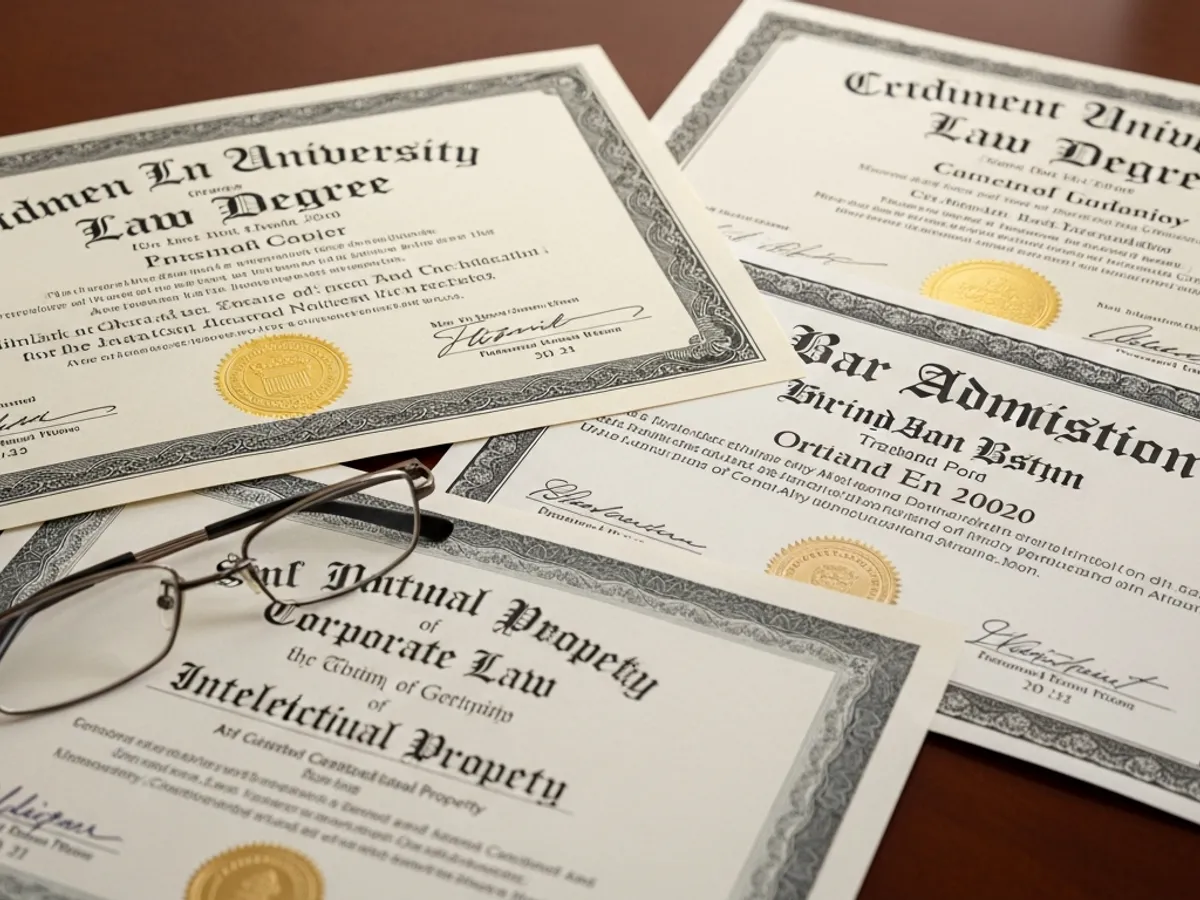
Ensure that the advocates you are considering are duly licensed and authorized to practice law in India. Check their registration with the Bar Council of India and verify their academic qualifications and professional certifications.
Reviewing Professional Experience
Examine the advocate’s professional experience, including the number of years they have been practicing law, the types of cases they have handled, and their experience in the Supreme Court of India. Look for advocates with a proven track record of success in cases similar to yours.
Assessing Expertise and Specialization
Determine whether the advocate has specific expertise or specialization in the area of law relevant to your case. Look for advocates who have handled similar cases in the past and have a deep understanding of the applicable laws, precedents, and procedures.
Step 5: Assessing the Advocate’s Reputation and Track Record
An advocate’s reputation and track record can provide valuable insights into their competence, professionalism, and ethical standards. Researching their past cases, reading client testimonials, and checking for disciplinary actions can help you assess their suitability for your case.
Researching Past Cases and Outcomes
Inquire about the advocate’s past cases and their outcomes. While past success is not a guarantee of future results, it can provide an indication of their skills and expertise.
Reading Client Testimonials and Reviews
Look for client testimonials and reviews online or ask the advocate to provide references from past clients. These testimonials can offer valuable insights into the advocate’s communication skills, responsiveness, and overall client satisfaction.
Checking for Disciplinary Actions
Check with the Bar Council of India or other relevant regulatory bodies to ensure that the advocate has not been subject to any disciplinary actions or ethical violations. A clean disciplinary record is an indication of their commitment to ethical and professional conduct.

Step 6: Conducting Initial Consultations and Asking Key Questions
Before making a final decision, it’s essential to conduct initial consultations with potential advocates to discuss your case, assess their suitability, and clarify any questions you may have. These consultations provide an opportunity to evaluate their communication skills, legal strategies, and overall approach to your case.
Preparing a List of Questions
Prepare a list of questions to ask the advocates during the consultation. These questions should cover their experience, expertise, legal strategy, fees, and any other concerns you may have.
Discussing Your Case in Detail
Provide the advocate with a comprehensive overview of your case, including the relevant facts, legal issues, and your desired outcome. This will allow them to assess the merits of your case and provide you with an informed opinion.
Assessing Communication and Compatibility
Evaluate the advocate’s communication skills, responsiveness, and overall compatibility with your personality and expectations. Effective communication and a strong working relationship are essential for a successful attorney-client partnership.

Step 7: Evaluating Fee Structures and Payment Options
Understanding the advocate’s fee structure and payment options is crucial to avoid any surprises or misunderstandings later on. Discuss their fees upfront, including hourly rates, retainer fees, and any additional costs or expenses that may be incurred.
Understanding Fee Structures
Ask the advocate to explain their fee structure in detail. Do they charge an hourly rate, a flat fee, or a contingency fee? Understand the pros and cons of each option and choose the one that best suits your budget and the nature of your case.
Negotiating Payment Options
Discuss payment options with the advocate and explore the possibility of negotiating a payment plan or alternative billing arrangement. Some advocates may be willing to offer flexible payment terms to accommodate your financial situation.
Clarifying Additional Costs and Expenses
Clarify whether the quoted fees include additional costs and expenses, such as court fees, filing fees, travel expenses, and expert witness fees. Ensure that you have a clear understanding of all potential costs associated with your case.

Step 8: Checking for Conflicts of Interest
Before hiring an advocate, it’s essential to check for any potential conflicts of interest. A conflict of interest can compromise the advocate’s ability to represent you effectively and may even jeopardize your case.
Disclosing Relevant Information
Provide the advocate with all relevant information about your case, including the names of all parties involved, their relationships to you, and any prior legal proceedings. This will allow them to identify any potential conflicts of interest.
Conducting a Conflict Check
Ask the advocate to conduct a conflict check to ensure that they have not previously represented any parties with adverse interests to yours. A thorough conflict check can help prevent any ethical violations or legal complications down the line.
Addressing Potential Conflicts
If a potential conflict of interest is identified, discuss it with the advocate and determine whether it can be resolved or whether you should seek alternative representation.

Step 9: Making an Informed Decision and Formalizing the Agreement for Legal Representation Delhi
After completing your due diligence, conducting consultations, and evaluating all relevant factors, it’s time to make an informed decision and formalize the agreement with your chosen advocate.
Reviewing the Engagement Agreement
Carefully review the engagement agreement or retainer agreement provided by the advocate. Ensure that it clearly outlines the scope of representation, the fees, the payment terms, and any other relevant terms and conditions.
Clarifying Any Doubts or Concerns
Clarify any doubts or concerns you may have about the engagement agreement before signing it. Seek legal advice from another attorney if necessary.
Formalizing the Agreement
Once you are satisfied with the terms of the engagement agreement, sign it and provide a copy to the advocate. This formalizes the attorney-client relationship and ensures that both parties are bound by the terms of the agreement.

Step 10: Maintaining Open Communication and Collaboration
Once you have hired an advocate, it’s crucial to maintain open communication and collaboration throughout the duration of your case. Regular communication, timely updates, and a collaborative approach can help ensure that your case is handled effectively and that your interests are protected.
Providing Timely Information
Provide the advocate with all relevant information, documents, and evidence in a timely manner. This will enable them to prepare your case effectively and respond to any inquiries from the court or opposing counsel.
Seeking Regular Updates
Request regular updates from the advocate on the progress of your case. Stay informed about any developments, hearings, or deadlines.
Collaborating on Legal Strategy
Collaborate with the advocate on the development of the legal strategy for your case. Share your insights, concerns, and objectives to ensure that the strategy aligns with your goals and priorities.

Conclusion: Securing the Best Legal Representation Delhi for Your Supreme Court Case
Finding a top supreme court advocate delhi requires careful planning, thorough research, and diligent evaluation. By following the steps outlined in this guide, you can navigate the complexities of the Delhi legal system and secure the best possible legal representation for your case. Remember to define your legal needs, leverage online resources, seek referrals, evaluate credentials, assess reputation, conduct consultations, understand fee structures, check for conflicts of interest, formalize the agreement, and maintain open communication. With the right advocate by your side, you can confidently pursue your legal objectives and achieve a favorable outcome in the Supreme Court of India.
Before you find advocate Delhi, consider reaching out to Advocate Shashi Kiran for a consultation. Call or WhatsApp +91-92121-97427.
FAQ: Frequently Asked Questions About Finding a Supreme Court Advocate in Delhi
What are the key qualities to look for in a Supreme Court advocate in Delhi?
When seeking legal representation delhi, look for qualities such as extensive experience in Supreme Court cases, specialized knowledge in your area of legal need, a strong reputation and track record, excellent communication skills, and a commitment to ethical and professional conduct.
How can online legal directories help in finding an advocate in Delhi?
Online legal directories like Bar & Bench and Live Law provide detailed profiles of advocates, including their areas of specialization, experience, and contact information, making it easier to find the right advocate for your case.
What steps should I take to evaluate an advocate’s credentials and experience?
Verify their qualifications with the Bar Council of India, review their professional experience and the types of cases they’ve handled, and assess their expertise in the specific area of law relevant to your case to ensure they are well-suited to represent you.
How important is it to check for conflicts of interest before hiring an advocate?
Checking for conflicts of interest is crucial to ensure that the advocate’s representation is not compromised by any prior relationships or adverse interests, which could jeopardize your case.
What should I discuss during the initial consultation with a potential advocate?
During the initial consultation, discuss your case in detail, ask about the advocate’s experience and strategy, clarify their fee structure, and assess their communication skills and compatibility to ensure a strong working relationship.

