

Why Is Specialized Supreme Court Criminal Expertise Critical for Your 2026 Case?

When a criminal case escalates to the Supreme Court of India, the stakes are immeasurably high, demanding a level of legal acumen far beyond general practice. For a 2026 criminal case, this necessity is compounded by a rapidly evolving legal landscape and the Court’s stringent filtering mechanisms. Navigating this apex court requires not just legal knowledge, but specialized expertise in its unique procedures and an intimate understanding of its judicial philosophy.
The Supreme Court’s Unique Filter for Criminal Cases
The Supreme Court operates with a distinct gatekeeping function, particularly evident in Special Leave Petitions (SLPs) filed under Article 136. These petitions constitute approximately 80% of the Court’s docket, yet only about 40% are accepted, and even fewer result in a reversal of the lower court’s judgment—a mere 44%. This highlights a critical reality: simply filing a petition is insufficient; it must present a ‘substantial question of law’ or demonstrate a ‘gross miscarriage of justice’ to even be admitted.
A top-tier supreme court criminal lawyer excels at framing these arguments, ensuring your case passes the crucial admission stage where most are dismissed.
Furthermore, the Advocate-on-Record (AOR) system, governed by Order IV of the Supreme Court Rules 2013, mandates that only an AOR can file an appearance or act for a party. This structural requirement underscores the specialized nature of practicing before the Supreme Court, ensuring that only those with proven expertise and a deep understanding of its rules can represent clients.
Navigating the Evolving 2026 Legal Landscape
By 2026, the full implications of the Bharatiya Nagarik Suraksha Sanhita (BNSS) and Bharatiya Sakshya Adhiniyam (BSA) will be central to criminal litigation. Recent judicial interpretations confirm that criminal appeals filed on or after July 1, 2024, are governed by the BNSS, even if the trial was conducted under the old Criminal Procedure Code (CrPC). This shift introduces new procedural requirements, such as mandatory videography of seizures and electronic evidence admissibility under the BSA.
For your legal defense for criminal case in 2026, a lawyer must demonstrate proficiency in these new laws, understanding their nuances and how they impact every stage of an appeal. Without this specialized insight, a strong defense can quickly falter.
Why Specialized Expertise is Your Imperative
The convergence of complex Supreme Court procedures, a high rejection rate for appeals, and the transformative impact of new criminal laws makes specialized expertise non-negotiable. It’s about more than just arguing; it’s about strategic foresight, meticulous preparation, and the ability to articulate intricate legal points with precision. Partnering with a seasoned supreme court criminal lawyer who understands these nuances is not just advantageous, it’s essential for crafting your strongest defense.
This is precisely why an experienced advocate like Advocate Shashi Kiran, with over 35 years of practice, becomes indispensable. Her expertise in Supreme Court and High Court litigation, including Special Leave Petitions and various criminal matters, positions her to navigate these complexities with both authority and a client-focused approach. Identifying the foremost Supreme Court advocate in Delhi requires a deep dive into their specialized experience, ensuring they can adeptly handle the unique challenges of your 2026 case.
How Do You Authenticate a Supreme Court Criminal Lawyer’s Core Credentials and Standing?
When entrusting your legal defense to a criminal lawyer supreme court, especially for a high-stakes 2026 case, the first and most fundamental step is to authenticate their core credentials and standing. This isn’t just about a degree; it’s about verifying their legal authority to practice in India’s apex court. My decades of practice have taught me that a thorough background check is non-negotiable.
Verifying Bar Council Registration
The initial layer of authentication involves confirming the lawyer’s enrollment with a Bar Council. Every practicing advocate in India must be registered with either the Bar Council of India (BCI) or a State Bar Council. This registration is the bedrock of their legal standing.
To verify, you can visit the official website of the Bar Council of India or the relevant State Bar Council, such as the Bar Council of Delhi. Look for a section dedicated to advocate verification, where you can typically search by enrollment number or name. This step ensures that the individual holds a valid Certificate of Practice and is not among those flagged in the BCI’s recent nationwide verification drive against fake degrees.
A valid Bar Council registration confirms an advocate’s foundational legitimacy.
This initial check is crucial because, without it, any further claims of expertise are irrelevant. It’s the very first filter in identifying a legitimate legal professional who can competently represent your interests.
Confirming Advocate-on-Record (AOR) Status
For a lawyer to practice directly before the Supreme Court of India, a special designation is required: Advocate-on-Record (AOR). This status is not merely an accolade; it’s a mandatory requirement under Order IV of the Supreme Court Rules 2013, stipulating that only an AOR can file an appearance or act for a party in the apex court. This makes AOR status indispensable for any criminal lawyer supreme court you consider.
To verify an AOR’s standing, the most reliable source is the official Supreme Court of India website. They provide a dedicated AOR search tool where you can look up advocates by name or their unique AOR code. This direct verification confirms their eligibility to navigate the intricate procedures of the highest court.
The Advocate-on-Record designation is the gateway to Supreme Court litigation.
As someone who has navigated the Supreme Court for over 35 years, I emphasize that this is a critical distinction. Many competent lawyers exist, but only an AOR possesses the specific authority to file cases and represent clients directly before the Supreme Court. For more insights on finding such specialized legal counsel, you might find it helpful to explore resources on how to find best supreme court advocate.
Verifying these core credentials—Bar Council registration and AOR status—is the foundational step in selecting an expert for your 2026 case. It ensures you are engaging with a legitimate and authorized professional, much like the rigorous standards upheld by Advocate Shashi Kiran Advocate, who specializes in Supreme Court and High Court litigation. Understanding the unique authority of a Supreme Court advocate is paramount to building a robust legal strategy.
What Specific Experience Should You Seek in a Top Criminal Lawyer for Apex Court Matters?

When seeking a supreme court criminal advocate for matters reaching the apex court, the focus must shift beyond general legal acumen to highly specialized, verifiable experience. It’s not enough to be a good lawyer; one must be adept at the unique procedural intricacies and substantive legal challenges that only the Supreme Court presents. My 35 years of practice have shown me that this specialized insight is the cornerstone of a strong defense.
Expertise in Special Leave Petitions (SLPs)
The Supreme Court’s docket is largely dominated by Special Leave Petitions (SLPs) under Article 136, constituting approximately 80% of its workload. However, their average acceptance rate hovers around 40%, with a reversal rate of 44%, underscoring the formidable challenge they represent. A top-tier criminal lawyer must demonstrate a proven track record of success in this critical area.
Success in SLPs hinges on framing ‘substantial questions of law’ or demonstrating a ‘gross miscarriage of justice.’
This requires a profound understanding of what will move the Court to intervene. Look for an advocate who can articulate specific instances of successful admissions and reversals, demonstrating their strategic prowess in navigating the intricate admission stage, where many cases are summarily dismissed. Their ability to successfully navigate the ‘admission’ stage is paramount, as I’ve observed countless times when guiding clients on framing substantial questions of law in SLPs.
Navigating Complex Criminal Domains
Beyond SLPs, a supreme court criminal advocate must possess specific experience in the relevant criminal law domains. Cases involving the Prevention of Money Laundering Act (PMLA), Narcotic Drugs and Psychotropic Substances (NDPS) Act, or other specialized statutes demand focused expertise. It’s crucial to verify their practical experience in these complex areas by examining their case history. You can often find valuable insights by searching the National Judicial Data Grid (NJDG) or the Supreme Court’s ‘Case Status’ portal.
Proficiency with New Legal Frameworks: BNSS 2026
The legal landscape is constantly evolving, and by 2026, the transition to the Bharatiya Nagarik Suraksha Sanhita (BNSS 2026), Bharatiya Nyaya Sanhita (BNS), and Bharatiya Sakshya Adhiniyam (BSA) will be complete. This represents a significant shift from the old Criminal Procedure Code (CrPC), even for trials conducted under prior laws, as BNSS now governs criminal appeals filed on or after July 1, 2024.
A truly expert advocate will already be deeply familiar with the new procedural requirements and evidential rules.
This includes aspects like mandatory videography of seizures, electronic evidence admissibility, and the revised timelines for various stages of criminal proceedings under the new laws. A lawyer’s proficiency in these updated frameworks is non-negotiable for future-proofing your defense. For a deeper understanding of these transformative changes, it’s worth exploring how new criminal laws like BNS, BNSS, and BSA are reshaping legal practice.
Verifying Experience and Success
To confidently choose a supreme court criminal advocate, you must verify their claimed experience. Beyond checking basic credentials, delve into their actual case involvement. While the digital tools like the Supreme Court’s e-SCR portal (which has digitized all 519 volumes of Supreme Court Reports since 1950) offer a wealth of information, a personal consultation is key. An Advocate-on-Record (AOR), for instance, is mandated to file appearances in the apex court, and you can verify their status via the official SCI website’s AOR search tool. This level of detail ensures you’re engaging with someone truly equipped for the task.
For those seeking comprehensive legal counsel, I encourage you to consider how Advocate Shashi Kiran’s expertise can build a powerful defense with an expert supreme court criminal lawyer. It’s about securing an advocate whose specific, verifiable experience aligns perfectly with the unique demands of your Supreme Court criminal matter. Reach out today for a confidential consultation.
Can a Lawyer’s Digital Footprint and Judicial Data Reveal Their True Expertise?
In today’s digital age, a lawyer’s online presence and public judicial records offer an unprecedented window into their actual expertise and track record, especially when seeking an expert criminal lawyer for complex Supreme Court matters. Gone are the days when reputation alone was sufficient; now, verifiable data can empower you to make an informed choice.
Unearthing Case History Through Judicial Databases
The most direct way to assess a lawyer’s experience is by delving into judicial databases. I always advise clients to utilize platforms like the National Judicial Data Grid (NJDG) or the Supreme Court’s dedicated case status portal to scrutinize an advocate’s involvement and outcomes. These tools provide real-time information on case filings, stages, and dispositions, offering a transparent view of their engagement.
A lawyer’s digital footprint reveals their active participation and successful navigation of complex legal terrain.
When you search, look for patterns of engagement in specific criminal domains relevant to your case, such as matters under the Prevention of Money Laundering Act (PMLA), Narcotic Drugs and Psychotropic Substances Act (NDPS), or cases influenced by the new Bharatiya Nagarik Suraksha Sanhita (BNSS). This granular data helps confirm if their stated expertise truly aligns with their on-the-ground performance. For an Advocate-on-Record like myself, this digital record is a testament to years of dedicated practice.
Evaluating Supreme Court Special Leave Petition Expertise
For Supreme Court matters, an expert criminal lawyer demonstrates significant proficiency in Special Leave Petitions (SLPs) under Article 136. Considering that SLPs constitute approximately 80% of the Supreme Court’s docket, with an average acceptance rate of only 40%, a lawyer’s success at the ‘admission’ stage is a critical indicator of their skill. You need an advocate who consistently frames ‘substantial questions of law’ or effectively highlights a ‘gross miscarriage of justice’ to navigate this challenging initial hurdle.
Beyond just tracking case numbers, examine their reported judgments. The Supreme Court has digitized all 519 volumes of Supreme Court Reports (SCR) since 1950, accessible via the Digital SCR (e-SCR) portal. This resource allows you to identify cases where the lawyer’s arguments led to significant judicial pronouncements, showcasing their contribution to legal precedent. This deep dive into their digital archive helps you understand the true authority of a Supreme Court advocate.
Adapting to the Evolving 2026 Legal Landscape
As we approach 2026, the legal landscape is shifting with the full implementation of the Bharatiya Nyaya Sanhita (BNS) and Bharatiya Sakshya Adhiniyam (BSA). An truly expert criminal lawyer will have a digital footprint that reflects their adaptation to these changes. Look for evidence of their engagement with new procedural requirements, such as mandatory videography of seizures or the admissibility of electronic evidence under the BSA. This forward-looking proficiency is non-negotiable for your case.
My practice, as showcased on Advocate Shashi Kiran, emphasizes staying ahead of these legislative shifts to ensure clients receive the most current and effective representation. By diligently researching their digital presence and judicial records, you can confidently find your Supreme Court advocate in Delhi who possesses the verifiable expertise necessary for success.
How Do You Assess a Supreme Court Criminal Lawyer’s Strategic Acumen and Argumentation Skills?

Beyond mere credentials, the true measure of a formidable Supreme Court criminal lawyer lies in their strategic acumen and their ability to craft compelling arguments that resonate with the apex court. It is not enough to simply know the law; one must possess the foresight to anticipate judicial perspectives and frame a criminal defense strategy that targets the specific criteria for intervention.
The Art of Framing for Admission and Appeals
The Supreme Court operates with a highly selective filter, particularly when dealing with criminal appeals and Special Leave Petitions (SLPs) under Article 136. My experience has shown that the vast majority of cases are dismissed at the ‘admission’ stage, making this initial hurdle the most critical. An effective apex court criminal attorney excels at identifying and articulating ‘substantial questions of law’ or demonstrating a ‘gross miscarriage of justice’ – the bedrock principles that typically prompt the Court’s intervention.
A winning strategy is about identifying the precise legal nerve to touch, not just recounting facts.
This demands a lawyer who can distill complex factual matrices into concise legal propositions, highlighting errors of law or procedure that are significant enough for the Supreme Court to consider. You want an advocate with a documented history of successfully navigating this challenging admission stage, where the odds are often stacked against the petitioner. For deeper insights into this process, consider resources like those discussing reforming Special Leave Petitions and strategies for navigating the Special Leave Petition admission stage.
Argumentation in a Shifting Legal Landscape
Evaluating a lawyer’s argumentation skills goes beyond their courtroom oratory. It encompasses their written submissions, which are often the first and most critical point of contact with the Court. For cases stretching into 2026, proficiency in the newly enacted Bharatiya Nagarik Suraksha Sanhita (BNSS) and Bharatiya Sakshya Adhiniyam (BSA) is non-negotiable.
An expert advocate will demonstrate a command of these new procedural requirements, understanding how they impact everything from evidence admissibility to the mandatory videography of seizures. The ability to pivot arguments based on the evolving statutory framework, such as how new criminal appeals are governed by BNSS, is a clear indicator of strategic depth.
When assessing a lawyer, look for clarity, precision, and the capacity to simplify intricate legal points without losing their force. This is where the true value of an experienced practitioner, like those who focus on selecting a top Supreme Court criminal lawyer for your defense, becomes evident. Their experience across diverse areas, from criminal to family law as highlighted by Advocate Shashi Kiran, often provides a broader strategic perspective on legal challenges. Ultimately, the criminal defense strategy hinges on an advocate’s capacity to not just argue the law, but to shape the very perception of justice in the highest court.
What Role Do Peer Reviews and Professional Ratings Play in Identifying the Best Supreme Court Lawyers?
When seeking the best criminal lawyer in supreme court, it’s not enough to rely solely on a lawyer’s self-proclamations or website claims. True expertise and ethical standing are often best validated by those who understand the legal landscape most intimately: fellow legal professionals. This is where independent peer reviews and professional rating services become indispensable tools for discerning clients.
The Weight of Peer Validation
Peer reviews offer a unique window into a lawyer’s reputation within the legal community. These aren’t just testimonials; they are evaluations from other attorneys and judges who have observed a lawyer’s work firsthand, either in courtrooms, through referrals, or in professional collaborations. They provide an unvarnished assessment of legal skill, ethical conduct, and professional integrity.
A lawyer’s standing among their peers is often the most reliable indicator of their actual capabilities and adherence to high professional standards.
For complex Supreme Court matters, where the stakes are exceptionally high, understanding how colleagues perceive an advocate’s strategic acumen and courtroom presence can be a decisive factor. This collective insight helps confirm that a chosen Advocate in Delhi NCR possesses not just theoretical knowledge but practical, respected expertise.
Deciphering Professional Rating Services
Several prominent professional rating services provide structured, objective evaluations of lawyers based on peer feedback. Platforms like Martindale-Hubbell and Best Lawyers ratings meticulously survey legal practitioners and judges to assess criteria such as legal ability, ethical standards, communication skills, and professional diligence. These ratings are not easily obtained; they reflect years of consistent, high-quality legal work.
These independent assessments offer a critical layer of validation, helping clients cut through marketing noise to identify truly distinguished practitioners. When you find a best criminal lawyer in supreme court recognized by these services, it signifies a broad consensus among their peers regarding their legal prowess and commitment to justice. As an experienced advocate, I recognize the value these external validations bring, complementing the deep insights we provide on the Advocate website to help clients make informed decisions.
Ultimately, integrating peer reviews and professional ratings into your lawyer selection process provides an objective benchmark. This ensures you are not just hiring a lawyer, but a respected and proven advocate, much like diligently selecting any specialist, even when navigating your split: how to secure the right divorce attorney in 2026, the principle of external validation remains crucial.
How Will the 2026 Legal Landscape and Digital Courts Impact Your Lawyer’s Effectiveness?

The legal landscape in India is undergoing a profound transformation, and by 2026, the full implications of these changes will be deeply felt in every courtroom. As an experienced advocate, I’ve observed firsthand how the introduction of the Bharatiya Nyaya Sanhita (BNS) and the Bharatiya Sakshya Adhiniyam (BSA) is fundamentally reshaping the practice of criminal law, demanding a new level of proficiency from every legal professional. This isn’t merely an update; it’s a paradigm shift.
Navigating the New Criminal Codes: BNS and BSA
The most significant change for anyone involved in criminal litigation is the implementation of the new criminal codes. The BNS replaces the Indian Penal Code, while the Bharatiya Sakshya Adhiniyam (BSA) replaces the Indian Evidence Act, 1872. These new laws introduce crucial procedural shifts, such as mandatory videography for search and seizure operations, and specific guidelines for electronic evidence admissibility.
A lawyer’s effectiveness in 2026 hinges on their mastery of these new provisions. For instance, criminal appeals filed on or after July 1, 2024, are now governed by the Bharatiya Nagarik Suraksha Sanhita (BNSS), even if the original trial was under the old CrPC. This requires an immediate understanding of the new procedural nuances to ensure a robust defense.
The Ascendance of Digital Courts 2.0 and AI Integration
Beyond the substantive law, the operational framework of our judiciary is also evolving rapidly with Digital Courts 2.0. Launched in 2024, this initiative brings AI-powered tools, such as real-time speech-to-text transcription, directly into the courtroom. This technology significantly speeds up the recording of testimonies and enhances the efficiency of judicial proceedings.
Furthermore, the Supreme Court has already digitized all 519 volumes of Supreme Court Reports (SCR) since 1950, accessible via the Digital SCR (e-SCR) portal. This wealth of digital data, coupled with the availability of hybrid hearing options in all courtrooms, means that lawyers must be adept at leveraging technology for research, presentation, and even appearance.
Effective advocacy now demands technological fluency alongside legal acumen. The ability to seamlessly integrate digital evidence, utilize virtual platforms, and quickly access digitized legal precedents is no longer an advantage but a necessity for any top criminal law India practitioner. An advocate who can build an unshakeable defense with a Supreme Court criminal lawyer’s expertise will be one who embraces this digital evolution, as we do at Advocate Shashi Kiran. For more insights into crafting a strong legal defense, you can explore how to build an unshakeable defense with a Supreme Court criminal lawyer’s expertise.
By 2026, a lawyer’s effectiveness will be defined not just by their knowledge of the law, but by their agility in adapting to new legal frameworks and their command of digital tools, ensuring that justice is served efficiently and effectively.
What Are the Key Tips for an Effective Consultation and Final Selection?
When considering a potential supreme court best criminal lawyer for your critical 2026 case, the initial consultation is your most important step. It’s not merely an introduction; it’s a strategic interview where you assess their expertise, approach, and suitability for your specific needs.
Before the meeting, gather all relevant documents: FIRs, charge sheets, judicial orders, and a clear timeline of events. Being prepared allows the advocate to offer more precise insights and a preliminary strategic direction. This thoroughness demonstrates your commitment and aids the lawyer in understanding the nuances of your situation from the outset.
Essential Questions to Ask During Your Initial Consultation
During this crucial interaction, focus on questions that reveal depth of experience and strategic thinking. Don’t hesitate to inquire about their specific track record with complex criminal matters before the Supreme Court, particularly regarding Special Leave Petitions (SLPs).
- Experience Profile: “Can you detail your experience in handling criminal appeals or SLPs before the Supreme Court, especially concerning recent legislative changes like the BNSS?”
- Strategic Approach: “How do you typically strategize for the admission stage of an SLP, where many cases are dismissed?”
- Case Management: “Who will be the primary point of contact for my case, and what is your communication protocol?”
- Fee Structure: “What is your fee structure, and can you provide an estimate of the overall costs involved, including court fees and incidental expenses?”
A transparent and detailed discussion about fees is a hallmark of ethical practice.
Identifying the Right Fit: Beyond Expertise
While expertise is paramount, effective client-advocate chemistry is equally vital. Pay attention to how the advocate listens to your concerns and explains complex legal concepts. Are they empathetic? Do they offer clear, understandable answers without resorting to excessive jargon?
When you are hiring a criminal lawyer, particularly for high-stakes Supreme Court matters, trust and clear communication are non-negotiable. It is similar to the care one takes when securing the right legal counsel in any critical legal domain.
Making Your Final Selection
After your initial consultation, take time to reflect on each candidate. Compare their experience, proposed strategies, and fee structures. Trust your instincts regarding their professionalism and your comfort level. The best supreme court best criminal lawyer for you will not only possess an impeccable legal mind but also be someone you feel confident entrusting with your future.
Your final choice should be an informed decision, balancing credentials, strategic insight, and a strong sense of trust.
This structured approach ensures you make a confident and well-reasoned decision, setting a strong foundation for your legal defense. When considering an advocate, look for someone whose practice, like that of Shashi Kiran Advocate, combines deep legal knowledge with an empathetic, client-focused approach.
What Common Pitfalls Should You Avoid When Verifying a Supreme Court Criminal Lawyer’s Expertise?
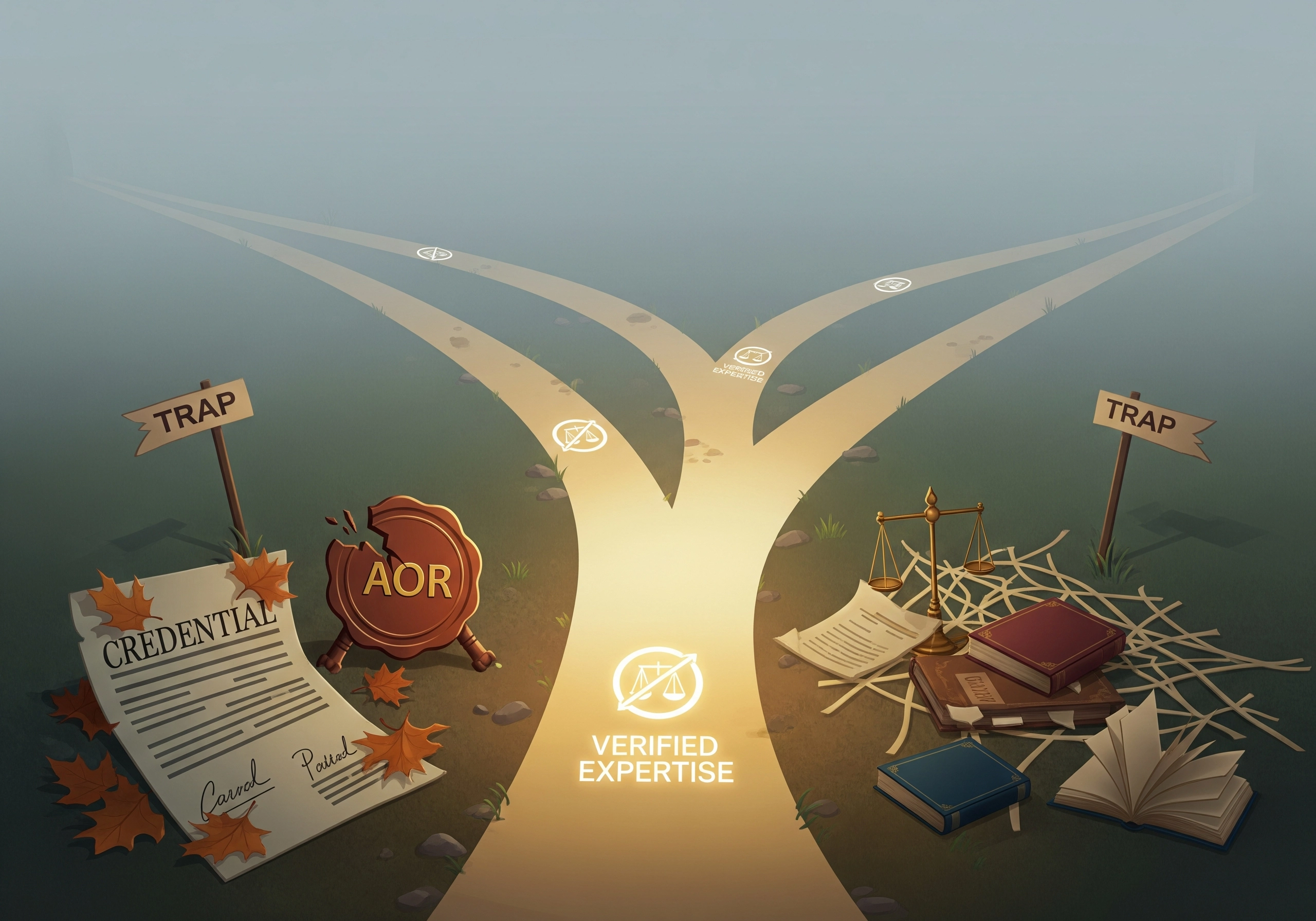
When facing a critical legal challenge in the Supreme Court, the pressure to secure exceptional representation can sometimes lead individuals to overlook crucial verification steps. This oversight can result in significant legal pitfalls, from engaging an unqualified lawyer to misjudging their actual expertise. My decades of experience have shown that a meticulous approach, rather than a rushed one, is paramount.
Neglecting Basic Credential Verification
One of the most dangerous pitfalls is failing to adequately verify lawyer credentials. In an era where professional integrity is paramount, it is unsettling how often this basic check is skipped. A lawyer’s registration with the Bar Council of India (BCI) or their respective State Bar Council is non-negotiable.
Always confirm a lawyer’s enrollment number directly through official Bar Council websites.
The Bar Council of India has been actively cracking down on fake degrees BCI and fraudulent practices, making it even more vital for clients to verify their advocate’s Certificate of Practice. Ensuring this foundational step protects you from engaging with individuals who lack the legal standing to practice.
Overlooking Advocate-on-Record (AOR) Status for Supreme Court Practice
Many clients mistakenly believe that any lawyer can represent them effectively in the Supreme Court. This is a critical misconception. Only an Advocate-on-Record (AOR) can file an appearance or act for a party in the apex court, as mandated by Order IV of the Supreme Court Rules 2013. Failing to confirm this specific qualification is a significant legal pitfall.
Verify AOR status through the Supreme Court of India’s official AOR search tool.
Without an AOR, a senior counsel might argue your case, but they cannot formally file documents or represent you, requiring an AOR to be associated with the case. This detail is crucial for effective representation, especially for complex matters like Special Leave Petitions (SLPs).
Superficial Assessment of Case History and Specialization
It’s common to be impressed by a lawyer’s general experience, but for Supreme Court criminal matters, generic experience is insufficient. A significant mistake is failing to delve into their specific track record with SLPs, particularly their success rate at the admission stage where most cases are dismissed. Furthermore, overlooking their expertise in current and upcoming criminal codes like the Bharatiya Nagarik Suraksha Sanhita (BNSS) and Bharatiya Sakshya Adhiniyam (BSA) can be detrimental.
Look beyond general experience to assess specific success in SLPs and relevant criminal domains.
For instance, an expert Supreme Court Senior Advocate will have a demonstrable history of navigating the nuances of new procedural requirements, such as mandatory videography of seizures under the BSA. You can investigate a lawyer’s specific case involvement and outcomes through platforms like the National Judicial Data Grid (NJDG) or the Supreme Court’s ‘Case Status’ portal. This deep dive ensures they have the practical, specialized experience your 2026 case demands. An experienced legal professional, such as those at Advocate Shashi Kiran, understands that a powerful defense in the apex court hinges on this specific, verified expertise.
Disregarding the Evolving Legal Landscape
The legal landscape is in constant flux, particularly in India with the transition to the new criminal laws by 2026. A major pitfall is selecting a lawyer whose expertise is rooted solely in the old Criminal Procedure Code (CrPC). The Bharatiya Nagarik Suraksha Sanhita (BNSS) will govern criminal appeals filed on or after July 1, 2024, altering many procedural aspects.
Ensure your chosen lawyer is deeply familiar with the BNSS and BSA and how they will impact your case strategy.
An advocate who is not up-to-date with these legislative changes, including the impact of initiatives like Digital Courts 2.0, might inadvertently lead to strategic errors. Their ability to adapt to these changes is a significant indicator of their true expertise and capacity to build an unshakeable defense with a Supreme Court criminal lawyer's expertise in the years to come.
Are You Ready to Secure the Best Legal Defense for Your 2026 Supreme Court Case?
Facing a Supreme Court criminal case in 2026 can feel daunting, especially with the sweeping changes brought by the Bharatiya Nagarik Suraksha Sanhita (BNSS) and the Bharatiya Sakshya Adhiniyam (BSA). You’re not just seeking legal representation; you’re searching for a strategic partner who can navigate this complex, high-stakes landscape. This guide has been your roadmap to securing an optimal legal defense, ensuring you make informed choices.
It’s about identifying an expert criminal lawyer adept at these new legal frameworks, someone who understands the apex court’s intricate procedures. Remember, this isn’t merely about finding any lawyer; it’s about finding the right one to champion your cause.
Your Essential Checklist for Legal Defense Readiness
We’ve explored a multi-faceted approach to verifying a prospective criminal advocate supreme court. This systematic process is designed to empower you, ensuring you select a partner who truly understands the nuances of Special Leave Petitions (SLPs) and the critical ‘admission’ stage, where many cases are dismissed.
You’ve now mastered these essential steps:
- Credential Verification: Always confirm Bar Council registration and Advocate-on-Record (AOR) status through official portals. The Bar Council of India’s ongoing verification drive highlights just how crucial this initial step is.
- Experience Assessment: Dive deep into a lawyer’s specific case history. Focus on their success rates in criminal SLPs and their proficiency in emerging areas like PMLA or NDPS, particularly under the new BNSS regime.
- Strategic Acumen: Evaluate their ability to frame compelling arguments, identify substantial questions of law, and adapt their strategy to the evolving legal landscape. This includes their expertise in crafting persuasive arguments for both the admission and appeal stages.
As you stand ready to make this pivotal decision, remember that meticulous preparation and informed choices are your strongest allies. Don’t leave your future to chance. Take confidence in the strategies you’ve learned to secure a formidable legal defense.
Ready to Take the Next Step?
Your 2026 Supreme Court criminal case demands nothing less than the best. With this comprehensive verification process, you are now equipped to confidently select an expert criminal lawyer who will fight tirelessly for your rights.
Reach out today for a consultation to discuss your specific case needs.
Call or WhatsApp +91-92121-97427.
Ready to secure unparalleled legal representation for your critical 2026 Supreme Court case? Discover how Advocate Shashi Kiran can provide expert guidance and a robust defense. Contact us today for a confidential consultation.
People Also Ask
What is the Advocate-on-Record (AOR) system, and why is it important for Supreme Court cases?
The Advocate-on-Record (AOR) system is a mandatory requirement for lawyers to file appearances or act for a party in the Supreme Court of India. Only an AOR can represent a client in the apex court, making their specific qualification crucial for any Supreme Court criminal case.
How can I verify if a lawyer is a genuine Supreme Court criminal advocate?
You can verify a lawyer’s credentials through the Bar Council of India or the relevant State Bar Council website for their enrollment. For Supreme Court practice, use the official Supreme Court website’s AOR search tool to confirm their status and expertise in apex court matters.
What specific experience should I look for in a criminal lawyer for a 2026 Supreme Court case?
For a 2026 case, seek a lawyer with proven experience in Special Leave Petitions (SLPs), as they form a significant portion of the Supreme Court’s docket. Experience with the new criminal laws like the Bharatiya Nagarik Suraksha Sanhita (BNSS) and an understanding of its procedural changes are also vital.
How does the new BNSS law affect Supreme Court criminal appeals filed in 2026?
Criminal appeals filed on or after July 1, 2024, are governed by the Bharatiya Nagarik Suraksha Sanhita (BNSS), even if the trial occurred under older laws. Your lawyer must be proficient in BNSS procedures, including new rules on evidence and seizures, to effectively represent you.
Can digital records and peer reviews help in selecting a Supreme Court criminal lawyer?
Yes, digital footprints and judicial data, such as case history on the National Judicial Data Grid (NJDG) or the Supreme Court’s ‘Case Status’ portal, can reveal a lawyer’s success rates and areas of expertise. Peer reviews from platforms like Martindale-Hubbell also offer valuable insights into a lawyer’s standing and capabilities.
What are the key questions to ask a potential Supreme Court criminal lawyer during a consultation?
During a consultation, ask about their experience with similar cases, their success rate in SLP admissions, their understanding of the BNSS, and their strategic approach. Inquire about their AOR status and how they plan to leverage digital court advancements for your case.


