Navigating the Indian legal system, especially at the Supreme Court level, demands expertise and experience. If you’re seeking legal representation in India’s highest court, this guide provides a step-by-step approach to find advocate Delhi who can effectively represent you. We’ll explore the critical factors to consider, ensuring you connect with a top Delhi lawyer for 2025 that aligns with your specific legal needs. As Abhiuday Chandra, I’ve seen firsthand the importance of securing competent legal counsel in such high-stakes scenarios.
Step 1: Clearly Define Your Legal Needs and Case Requirements
Before searching for an advocate in the Supreme Court, clearly define the nature of your case. Is it a civil dispute, a criminal matter, or a constitutional challenge? Understanding the specifics will help you identify lawyers with relevant expertise. What specific area of law does your case fall under?
Determine the Specific Area of Law
Identifying the precise area of law—such as corporate law, property law, criminal law, or constitutional law—is crucial. This focus enables you to narrow your search to advocates specializing in your particular legal domain. The more specific you are, the better you can target your search for the best advocate in Delhi Supreme Court. Are you dealing with a property dispute, a criminal charge, or a matter of family law?
Assess the Complexity and Urgency of Your Case
Evaluate the complexity of your case and the urgency with which it needs to be addressed. A highly complex case might require a seasoned senior advocate, while a more straightforward matter could be handled by a competent junior lawyer. Understanding the urgency will also guide your decision-making process in finding the right advocate. Is time of the essence, or do you have the luxury of a more protracted search?
Step 2: Leverage Online Resources and Legal Directories to Find an Advocate in Supreme Court New Delhi
The internet is a powerful tool for researching and identifying potential advocates. Utilize online legal directories, lawyer search engines, and professional networking platforms to compile a list of potential candidates. Where do you even begin your search?
Explore Legal Directories and Databases
Websites like the Bar Council of India and the Supreme Court of India offer comprehensive lists of lawyers. These directories often include details such as areas of specialization, years of experience, and contact information, enabling you to filter your search effectively. This is a great way to find advocate in Supreme Court New Delhi. Have you checked these official sources for registered advocates?
Utilize Lawyer Search Engines and Platforms
Platforms like Justdial, India Law Offices, and LawRato allow you to search for lawyers based on location, specialization, and client reviews. These search engines provide an easy way to compare different advocates and read feedback from previous clients. Are you making the most of these search tools to compare potential advocates?
Check Online Listings of Delhi Supreme Court Advocates
Many websites compile lists of advocates practicing in the Supreme Court. Review these listings to identify potential candidates and gather initial information about their backgrounds and expertise. This ensures you have a broad overview of the available legal talent.

Step 3: Verify Credentials, Experience, and Specializations of Delhi Supreme Court Lawyers
Once you have a list of potential advocates, it’s essential to verify their credentials, experience, and specializations. This ensures that you are engaging a qualified and competent legal professional to handle your case. How do you separate the wheat from the chaff?
Check Bar Council Enrollment and Credentials
Ensure that the advocate is enrolled with the Bar Council of India and possesses the necessary qualifications to practice law in the Supreme Court. You can verify their enrollment status on the Bar Council’s website. This is a fundamental step in ensuring you engage a legitimate advocate. Is their registration current and valid?
Evaluate Experience in Handling Similar Cases
Assess the advocate’s experience in handling cases similar to yours. Look for a proven track record of success in the specific area of law relevant to your legal needs. This experience is a strong indicator of their competence and ability to effectively represent you. Have they successfully navigated similar legal challenges before?
Confirm Specializations and Expertise
Verify the advocate’s claimed specializations and expertise. Check whether they have additional certifications, training, or affiliations that support their expertise in the relevant field. A specialist can provide a focused approach to your case. Does their expertise align with the intricacies of your legal matter?

Step 4: Read Reviews and Testimonials to Find the Best Lawyers in Delhi Supreme Court
Client reviews and testimonials provide valuable insights into an advocate’s professional conduct, communication skills, and overall client satisfaction. Use these reviews to gauge the advocate’s reputation and reliability. What are others saying about their experiences?
Analyze Online Reviews and Ratings
Websites like Google Reviews, Justdial, and other legal platforms often feature client reviews and ratings. Analyze these reviews to identify patterns and assess the advocate’s strengths and weaknesses. Look for consistent feedback regarding their professionalism, responsiveness, and case outcomes. These can help identify the best lawyers in Delhi Supreme Court. Are the reviews overwhelmingly positive, or are there red flags to consider?
Seek Direct Testimonials and References
Request direct testimonials or references from the advocate’s previous clients. Speaking directly with individuals who have worked with the advocate can provide a more nuanced understanding of their capabilities and approach. Can you speak to someone who has firsthand experience with their services?
Consider the Advocate’s Reputation in the Legal Community
An advocate’s reputation among their peers in the legal community can be a strong indicator of their competence and ethical standards. Consult with other lawyers or legal professionals to gather insights into the advocate’s standing within the industry. What do other legal professionals think of them?

Step 5: Conduct Initial Consultations with Lawyers in Supreme Court Delhi
Shortlist a few potential advocates and schedule initial consultations with them. These consultations provide an opportunity to discuss your case in detail, assess the advocate’s communication style, and evaluate their suitability for your needs. How do you make a personal connection?
Prepare a Detailed Case Summary
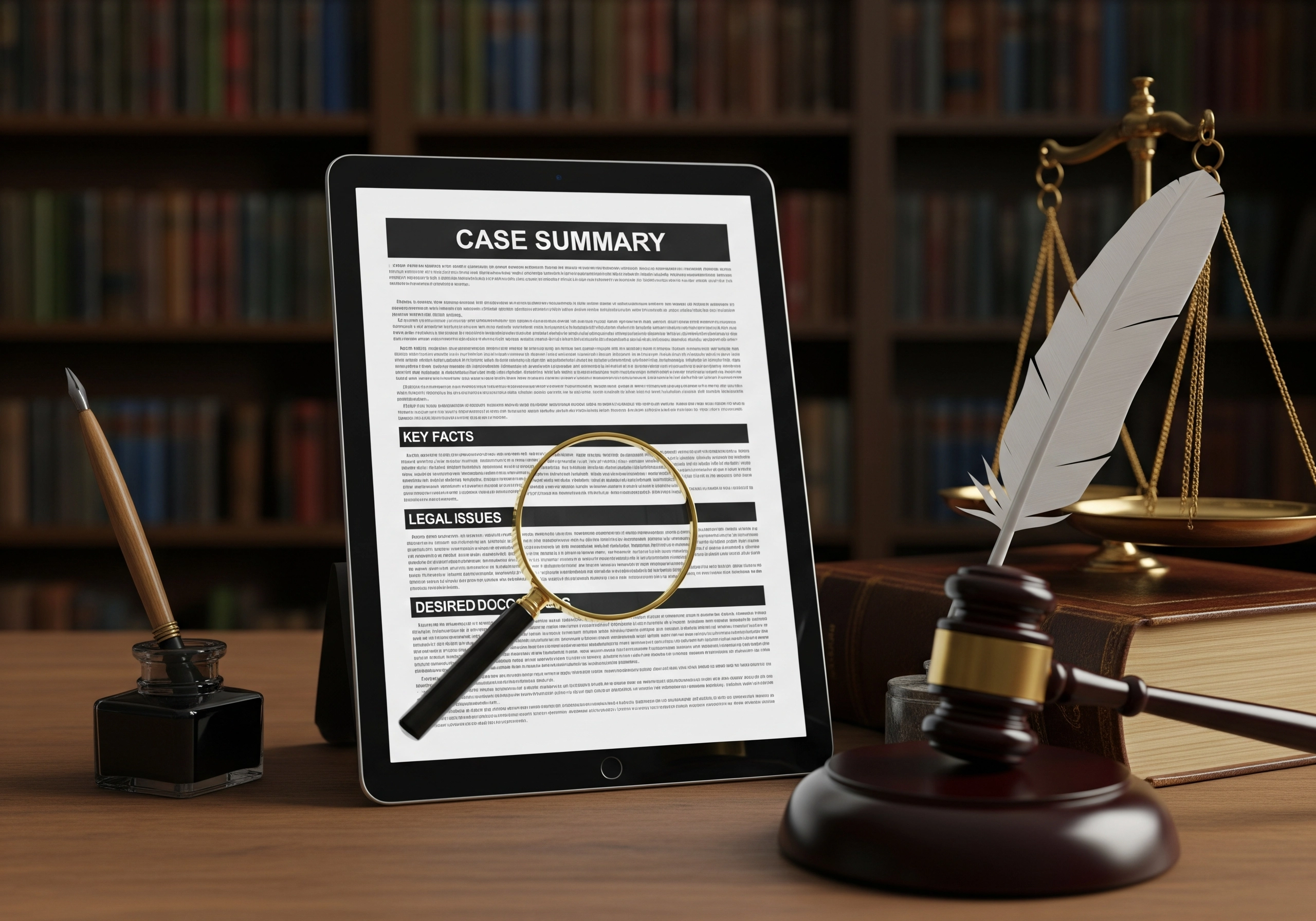
Before the consultation, prepare a detailed summary of your case, including the relevant facts, legal issues, and desired outcomes. This will help the advocate quickly understand your situation and provide informed advice. Do you have all your ducks in a row before the meeting?
Ask Relevant Questions About Experience and Strategy
During the consultation, ask relevant questions about the advocate’s experience in handling similar cases, their proposed legal strategy, and their approach to communication and client management. Inquire about their familiarity with current Supreme Court rulings. What is their game plan for your specific situation?
Assess Communication Skills and Compatibility
Evaluate the advocate’s communication skills and assess whether you feel comfortable working with them. Effective communication is crucial for a successful attorney-client relationship. Make sure they can explain complex legal concepts in a way you understand, and that they are responsive to your questions and concerns. Do you feel heard and understood during the consultation?

Step 6: Evaluate Fee Structures and Payment Options
Discuss the advocate’s fee structure and payment options upfront. Understand how they charge for their services—whether it’s an hourly rate, a fixed fee, or a contingency fee—and ensure that you are comfortable with the terms. What is the cost of justice?
Understand Different Fee Structures
Familiarize yourself with the different types of fee structures commonly used by lawyers, such as hourly rates, fixed fees, and contingency fees. Understand the pros and cons of each option and choose the one that best suits your budget and case requirements. Do you know the difference between an hourly rate and a fixed fee?
Obtain a Written Fee Agreement
Request a written fee agreement that clearly outlines the scope of services, the fee structure, payment terms, and any additional costs that may be incurred. This agreement should be reviewed carefully before signing to avoid any misunderstandings or disputes later on. Is everything in writing and crystal clear?
Negotiate Payment Terms if Necessary
If necessary, negotiate the payment terms with the advocate. Discuss whether they offer payment plans or discounts for certain types of clients. Transparency and clear communication regarding fees are essential for a positive attorney-client relationship. Are you comfortable discussing payment options openly?

Step 7: Consider the Advocate’s Knowledge of Recent Supreme Court Judgments
Stay informed about recent Supreme Court judgments and rulings that may impact your case. An advocate who is well-versed in current legal developments will be better equipped to represent your interests effectively. Are they up-to-date with the latest legal precedents?
Research Relevant Case Laws
Conduct research on relevant case laws and precedents that may apply to your case. Understanding the legal landscape will help you ask informed questions and assess the advocate’s knowledge and expertise. Have you done your homework on relevant case laws?
Inquire About Familiarity with Landmark Judgments
Ask the advocate about their familiarity with landmark judgments and how they might impact your case. A knowledgeable advocate should be able to explain the implications of these judgments and incorporate them into their legal strategy. Can they discuss landmark cases relevant to your situation?
Stay Updated on Legal News and Developments
Keep abreast of legal news and developments through reputable sources such as legal journals, news websites, and professional publications. This will help you stay informed and engage in meaningful discussions with your advocate. Are you following legal news to stay informed?

Step 8: Assess the Advocate’s Accessibility and Responsiveness
Choose an advocate who is accessible and responsive to your needs. Effective communication and timely responses are crucial for a successful attorney-client relationship. How easy is it to reach them?
Evaluate Communication Channels
Assess the advocate’s preferred communication channels and ensure that they align with your preferences. Whether it’s phone calls, emails, or in-person meetings, clear and consistent communication is essential. Do their communication methods suit your needs?
Inquire About Response Times
Ask the advocate about their typical response times to inquiries and requests. A responsive advocate should be able to address your concerns promptly and keep you informed about the progress of your case. How quickly do they typically respond to inquiries?
Ensure Regular Updates and Progress Reports
Ensure that the advocate provides regular updates and progress reports on your case. These updates should include information about court filings, hearings, and any significant developments that may impact the outcome. Will you be kept in the loop throughout the process?

Step 9: Evaluate the Support Staff and Resources
The quality of an advocate’s support staff and resources can significantly impact their ability to handle your case effectively. Consider the availability of paralegals, legal assistants, and other support personnel. Do they have a strong support system in place?
Assess the Availability of Paralegals and Legal Assistants
Inquire about the availability of paralegals and legal assistants who can assist with research, document preparation, and other administrative tasks. A strong support team can free up the advocate to focus on the more complex aspects of your case. Are there qualified support staff available to assist?
Evaluate Access to Legal Databases and Resources
Ensure that the advocate has access to comprehensive legal databases, research tools, and other resources necessary to build a strong case. Access to these resources can enhance the advocate’s ability to conduct thorough research and identify relevant precedents. Do they have access to the necessary legal resources?
Consider the Firm’s Infrastructure and Technology
Evaluate the firm’s infrastructure and technology, including case management systems, document management software, and communication tools. Modern technology can streamline processes and improve efficiency in handling your case. Is their firm equipped with modern technology and infrastructure?

Step 10: Make an Informed Decision and Engage the Right Advocate
After careful consideration of all the factors discussed above, make an informed decision and engage the advocate who best meets your needs. Ensure that you have a clear understanding of the terms of engagement and that all agreements are documented in writing. Have you weighed all the factors and made an informed decision?
Review All Documentation and Agreements
Before signing any agreements, carefully review all documentation to ensure that you understand the terms of engagement, the scope of services, and the fee structure. Seek clarification on any points that are unclear or ambiguous. Have you thoroughly reviewed all the documentation?
Sign a Formal Retainer Agreement
Sign a formal retainer agreement that outlines the terms of the attorney-client relationship, including the responsibilities of both parties, the scope of representation, and the payment terms. This agreement should be reviewed by both parties and signed to ensure mutual understanding and commitment. Is there a formal retainer agreement in place?
Maintain Open Communication Throughout the Process
Maintain open and consistent communication with your advocate throughout the legal process. Regularly update them on any new developments in your case and promptly respond to their requests for information. A collaborative and communicative attorney-client relationship is essential for achieving the best possible outcome. Are you committed to open and consistent communication?

Tips and Best Practices for Finding the Best Lawyers in Delhi Supreme Court
To enhance your search for the ideal Supreme Court advocate in Delhi for your 2025 case, consider these additional tips and best practices. These recommendations aim to refine your selection process, ensuring you partner with the most suitable legal expert.
Attend Court Proceedings to Observe Advocates
Where possible, attend court proceedings to observe potential advocates in action. Witnessing their courtroom demeanor, advocacy skills, and interaction with judges can provide invaluable insights into their capabilities. Can you observe them in action before making a decision?
Seek Recommendations from Trusted Sources
Consult with trusted sources such as friends, family, or colleagues who have had legal experience. Their firsthand recommendations can offer valuable perspectives and guidance. Have you sought recommendations from trusted sources?
Prioritize Advocates with a Strong Ethical Reputation
Choose an advocate with a strong ethical reputation and a commitment to upholding the highest standards of professional conduct. Ethical integrity is crucial for ensuring that your case is handled with honesty, transparency, and fairness. Is their ethical reputation beyond reproach?
Consider Advocates with a Collaborative Approach
Opt for advocates who adopt a collaborative approach and are willing to work closely with you to develop a tailored legal strategy. A collaborative advocate will value your input, keep you informed, and involve you in key decision-making processes. Do they value collaboration and open communication?
Stay Informed About Changes in Legal Procedures
Keep abreast of any changes in legal procedures, court rules, or regulatory frameworks that may impact your case. An advocate who is proactive in staying informed about these changes will be better positioned to navigate the legal landscape effectively. Are you aware of any recent changes in legal procedures?

Conclusion
Finding the right Supreme Court advocate in Delhi for your 2025 case requires careful research, thorough evaluation, and informed decision-making. By following the steps outlined in this guide, you can confidently navigate the process and engage a competent and experienced legal professional who will effectively represent your interests. Remember to define your legal needs, leverage online resources, verify credentials, read reviews, conduct consultations, evaluate fee structures, consider knowledge of recent judgments, assess accessibility, evaluate support staff, and make an informed decision. With the right advocate by your side, you can approach your case with confidence and achieve the best possible outcome.
For expert legal representation, reach out to Advocate today for a consultation. Call or WhatsApp +91-92121-97427.
FAQs
How can I verify if an advocate is registered and qualified?
You can verify an advocate’s registration and qualifications on the Bar Council of India’s website. Ensuring they are legitimately practicing law.
What factors should I consider when assessing the experience of an advocate?
Consider their years of practice, the types of cases they’ve handled, and their success rate in similar cases to yours. Experience often translates to better handling of your case.
How important are client reviews?
Client reviews provide valuable insights into an advocate’s professionalism, communication skills, and overall client satisfaction. They offer a glimpse into the advocate’s real-world performance.
What should I discuss during the initial consultation?
Discuss your case details, their experience, legal strategy, fee structure, and communication preferences during the initial consultation. This sets the foundation for a transparent attorney-client relationship.
Why is it important to consider an advocate’s knowledge of recent Supreme Court judgments?
An advocate’s familiarity with recent Supreme Court judgments ensures they can effectively incorporate relevant precedents into your case strategy. Staying updated is crucial for effective legal representation.