Understanding Property Rights and the Role of a Civil Advocate
Property rights are fundamental, but disputes can arise. A civil advocate plays a crucial role in safeguarding these rights through various legal strategies. Whether it’s a boundary dispute, a contract disagreement, or eminent domain concerns, understanding your rights is the first step in protecting your assets. This section will explore the essence of property rights and how a skilled advocate can make a difference.

What Constitutes Property Rights?
Property rights encompass the ability to possess, use, and dispose of assets, including land, buildings, and intellectual property. These rights are protected by law, but enforcing them often requires the expertise of a civil advocate. As Smith, Paulson, O’Donnell & Erickson, PLC highlights, understanding these rights is crucial for individuals and businesses alike.
The Importance of Legal Representation in Property Disputes
Legal representation is vital when property disputes arise. A civil advocate can navigate complex laws, represent your interests, and develop effective legal strategies to achieve a favorable outcome. They ensure your rights are defended in property disputes. According to Joye, Nappier, Risher, & Hardin LLC, skilled legal professionals provide personalized and effective legal representation to protect your rights and interests. To safeguard your liberty from false claims, expert legal assistance is essential.
Step-by-Step Strategies to Protect Your Property Rights
Protecting your property rights involves a series of strategic steps, each requiring careful consideration and legal insight. A skilled civil advocate guides you through this process, ensuring your rights are robustly defended.

Step 1: Document and Gather Evidence
Extensively gathering pertinent documents and reviewing them closely is highly recommended when asserting property rights. This includes contracts, deeds, emails, and any other records supporting your claim. As noted by legal experts, gathering all relevant documents is critical for building a strong case.
Step 2: Negotiate a Settlement
Attempting to negotiate a mutually agreeable settlement directly is often the first step when disputes over property rights arise. It requires willingness to compromise from those involved. Through respectful discussion, many issues can be resolved to both parties’ satisfaction without turning immediately to legal action, as highlighted by seasoned attorneys.
Step 3: Consider Alternative Dispute Resolution (ADR)
ADR mechanisms, such as mediation and arbitration, can help resolve disputes before they escalate to litigation. These methods offer a less adversarial and more cost-effective approach. Mediation involves a neutral third party who facilitates negotiations, while arbitration results in a legally binding decision, providing certainty and closure.
Step 4: File a Civil Lawsuit If Necessary
If negotiations and ADR fail, filing a civil litigation may become necessary as a last resort. This step requires extensive preparation and strategic consideration. Before pursuing legal action, it is important to realistically assess your situation and objectives, as advised by legal professionals.
Step 5: Navigate the Litigation Process with Legal Counsel
Navigating the civil litigation process requires expert legal counsel. Your civil advocate will guide you through each phase, from filing the lawsuit to presenting evidence and seeking a court judgment. Relying on legal representation can translate legalese, explain proceedings, and advocate on your behalf, as stressed by experienced attorneys. To resolve property conflicts effectively, a Delhi NCR advocate’s proven strategies are invaluable.
The Role of Legal Strategies in Resolving Property Disputes
Effective legal strategies are essential in resolving property disputes. These strategies can range from negotiation and mediation to aggressive civil litigation, depending on the specific circumstances of the case.

Understanding Real Estate Law and Contract Law
A deep understanding of real estate law and contract law is crucial in resolving property disputes. Your civil advocate should be well-versed in these areas to protect your rights effectively. Expertise in property law and zoning regulations is essential when handling a property dispute, as noted by civil litigation attorneys.
Utilizing Dispute Resolution Methods
Dispute resolution methods, such as negotiation, mediation, and arbitration, play a significant role in resolving property disputes. Your civil advocate will help you choose the best approach based on your unique circumstances. These ADR mechanisms can resolve disputes before they escalate to litigation, offering a less adversarial and more cost-effective approach.
Leveraging Civil Litigation for Property Rights
Civil litigation is a powerful tool for protecting property rights when other methods fail. A skilled civil advocate can leverage the litigation process to achieve a favorable outcome. The litigation process usually involves filing a lawsuit, presenting evidence, and seeking a court judgment, requiring a nuanced understanding of property rights, contracts, and zoning laws.
Choosing the Right Civil Advocate for Your Property Rights Case
Selecting the right civil advocate is a critical decision that can significantly impact the outcome of your case. Consider their experience, specialization, and track record in handling property disputes.

Assessing Experience and Specialization
Look for an attorney with distinct knowledge, skills, and strategies that align with the details of your case. An attorney with a deep understanding of property laws and a proven history of successful case outcomes can provide valuable insights and strategic guidance. A smart choice will be hiring an attorney with distinct knowledge, skills, and strategies that align with the details of your case.
Evaluating Communication and Strategic Thinking
A good civil advocate should be responsive, communicative, and willing to explain complex legal concepts in plain language. They should also demonstrate strategic thinking and a proactive approach to your case. Prioritizing traits such as experience, a proven track record, effective communication, and strategic thinking is crucial when selecting a real estate attorney.
Understanding Court Procedures and Legal Counsel
Familiarity with court procedures is essential for a civil advocate. They should be able to navigate the legal system effectively and provide sound legal counsel throughout the process. The language, jargon, rules of evidence, and court etiquette followed by lawyers and judges during litigation can intimidate anyone, highlighting the importance of expert legal counsel.
Tips for Strengthening Your Property Rights Case
Strengthening your property rights case involves several key steps, including gathering evidence, understanding the law, and seeking expert legal advice.
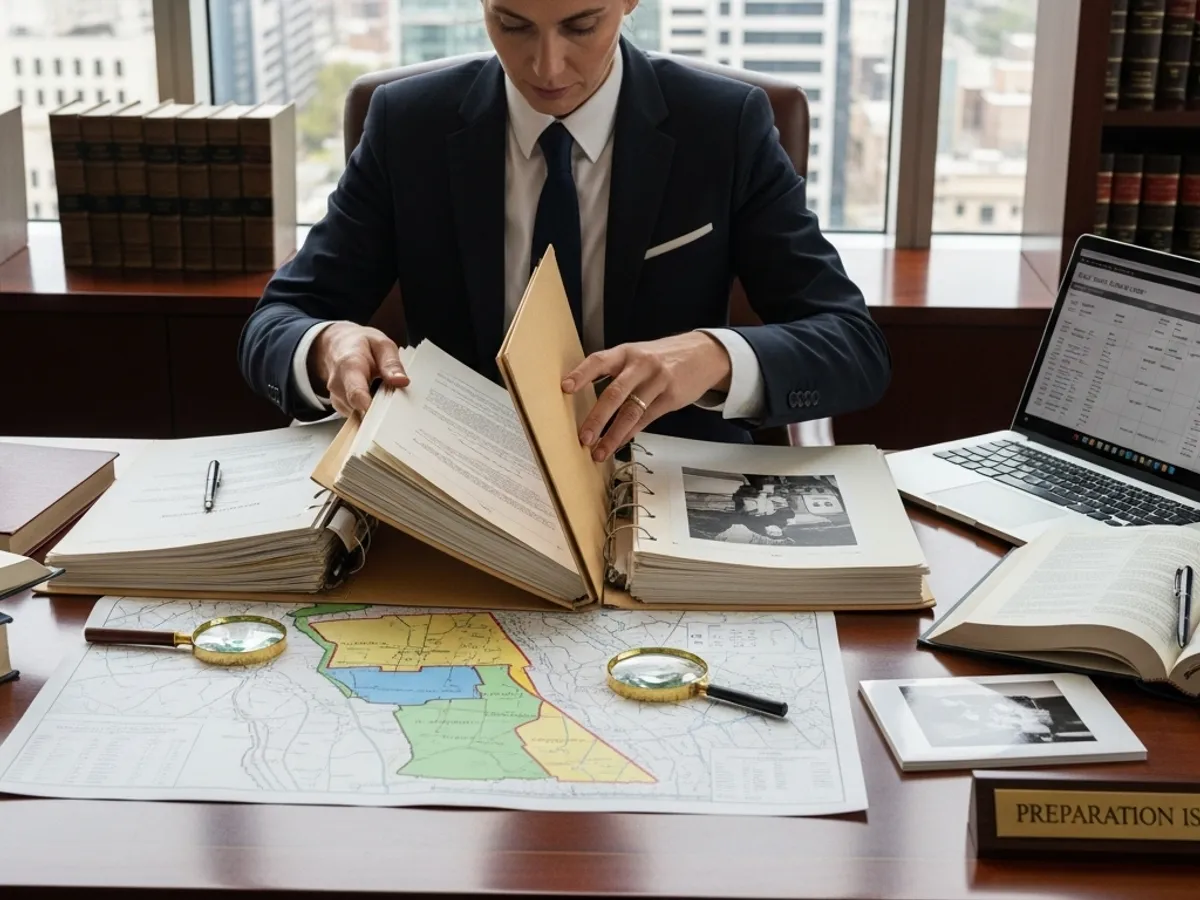
Gathering and Organizing Evidence
Collect all relevant documents, such as contracts, emails, photographs, and any other records that support your claims. This evidence will be invaluable in building a strong case. Keeping detailed records of all communications and gathering pertinent documents are critical components of this phase.
Understanding Contract Law and Real Estate Law
Familiarize yourself with the basics of contract law and real estate law. This knowledge will help you understand your rights and obligations, and make informed decisions about your case. A deep understanding of real estate law and contract law is crucial in resolving property disputes.
Seeking Expert Legal Counsel Early
Engage a civil advocate early in the process to receive expert legal counsel. They can assess the merits of your case, develop a legal strategy, and provide guidance throughout the litigation process. Investing in professional legal counsel is one of the most effective ways to safeguard your interests.
Common Pitfalls to Avoid in Property Disputes
Avoiding common pitfalls in property disputes can save you time, money, and stress. These pitfalls include failing to document evidence, neglecting to seek legal advice, and making emotional decisions.
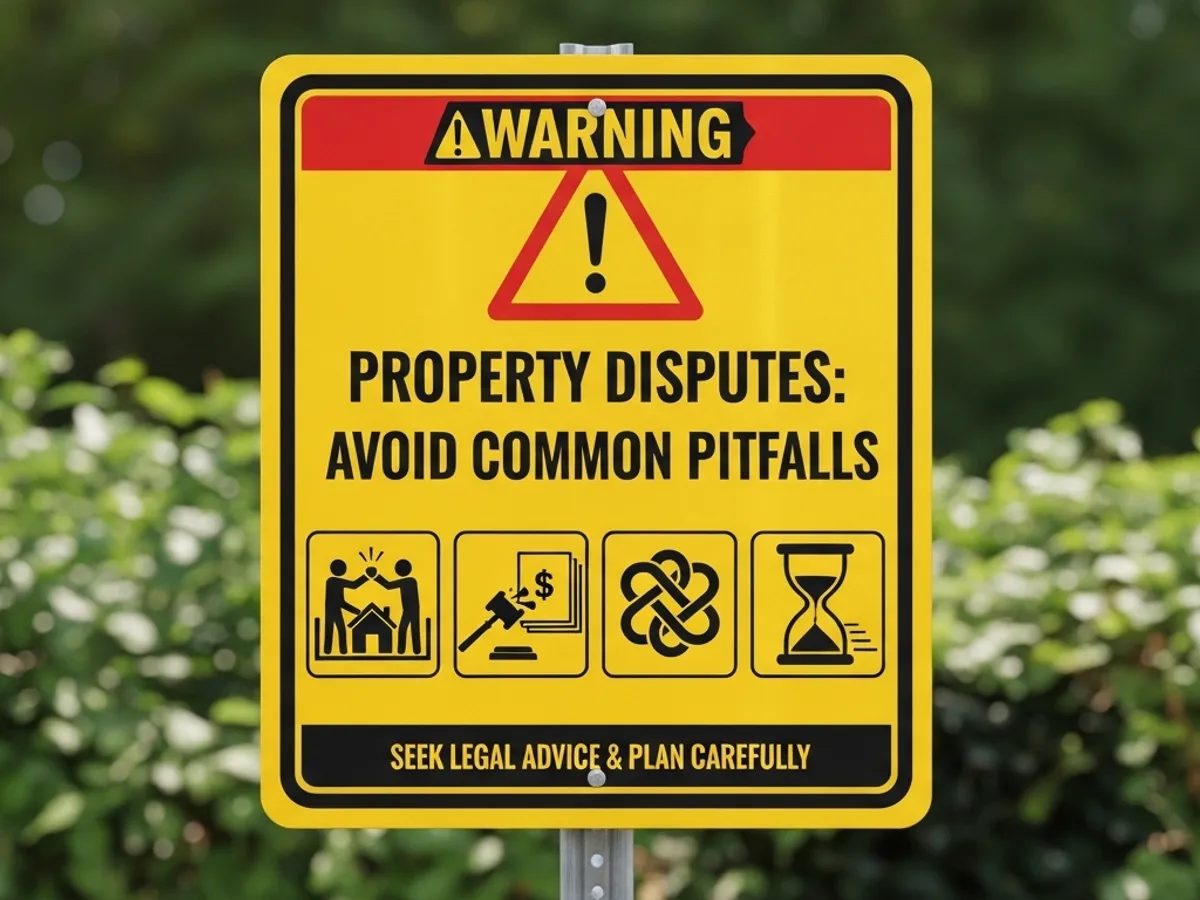
Neglecting Documentation and Evidence
Failing to document evidence adequately can weaken your case. Ensure you have all relevant documents and records to support your claims. Extensively gathering pertinent documents and reviewing them closely is highly recommended when asserting property rights.
Delaying Legal Representation
Delaying legal representation can be detrimental to your case. Engage a civil advocate early to protect your rights and interests. Investing in professional legal counsel is one of the most effective ways to safeguard your interests.
Making Emotional Decisions
Making emotional decisions can cloud your judgment and lead to unfavorable outcomes. Rely on your civil advocate for objective advice and guidance. An attorney’s expertise helps navigate these details and assess the case’s merits.
Conclusion: Securing Your Property Rights with a Civil Advocate
Securing your property rights requires a proactive approach, a thorough understanding of the law, and expert legal representation. A skilled civil advocate can guide you through the process, protect your interests, and achieve a favorable outcome.

The Value of Legal Representation in Property Disputes
Legal representation is invaluable in property disputes. A civil advocate can navigate complex laws, represent your interests, and develop effective legal strategies to achieve a favorable outcome. Protect Your Interests: They ensure your rights are defended in property disputes.
Before diving into the litigation process, it’s essential to take several pre-litigation steps to strengthen your case. You can also get in touch with the Anticipatory Bail Lawyer for legal help.
Reach out to Advocate today for a consultation on securing your property rights with strategic legal action. Call or WhatsApp +91-92121-97427. Visit Advocate, a Supreme Court Senior Advocate, for expert guidance.
FAQs: Protecting Your Property Rights
What is a civil advocate and why do I need one for property rights issues?
A civil advocate is an attorney who specializes in resolving disputes between individuals or organizations, including those related to property rights. You need one because they understand real estate law, contract law, and court procedures, enabling them to protect your interests effectively. Finding a reliable high court lawyer is similar, requiring careful consideration.
How can alternative dispute resolution (ADR) help in resolving property disputes?
ADR methods like mediation and arbitration offer a less adversarial and more cost-effective way to resolve property disputes compared to civil litigation. They involve a neutral third party who helps facilitate negotiations or makes a binding decision, potentially saving you time and money. Master dispute resolution for real estate contracts with strategies like negotiation, mediation, and arbitration for effective outcomes.
What documents should I gather to strengthen my property rights case?
To strengthen your property rights case, gather all relevant documents such as contracts, deeds, emails, photographs, and any other records that support your claims. Thorough documentation is crucial for building a strong case and demonstrating the validity of your arguments. Knowing how to prepare your case for a supreme court hearing involves similar diligent planning.
What are some common pitfalls to avoid in property disputes?
Common pitfalls include neglecting documentation, delaying legal representation, and making emotional decisions. Avoiding these mistakes can save you time, money, and stress, ensuring a more favorable outcome in your property rights case. You can secure fair property division by avoiding such pitfalls in contentious family disputes.
How important is it to understand contract law in property disputes?
Understanding contract law is crucial in property disputes because real estate transactions are governed by contracts. Knowing your rights and obligations under these contracts helps you make informed decisions and protect your interests effectively.