

The mandatory gatekeeper you didn’t know you needed

After months of litigation in the High Court, you arrive at Tilak Marg with a briefcase of favorable orders, only to find your local counsel lacks standing to file. This is the first structural hurdle: the Advocate-on-Record (AOR).
This isn’t some minor procedural hoop. The Supreme Court of India maintains a strict closed-door filing system. Only an AOR—a practitioner who has passed the Court’s specific examination and keeps a registered office within 16 kilometers of the premises—holds the legal authority to file petitions. As you navigate the Supreme Court litigation process, it becomes clear that while your trial or High Court counsel can plead (argue), the AOR is the only one empowered to act (file and manage the record).
The hidden fee of procedural discipline
Litigants often assume their Special Leave Petition cost is a single disbursement to a Senior Advocate. It isn’t. You’re facing a mandatory, separate fee structure for the AOR. This covers drafting, vetting, and aligning every technical detail with the Registry’s rigid requirements.
The Court demands this for accountability. It requires a single, identifiable officer of the court who is personally liable for the record’s accuracy. Consequently, you’ll likely need a Supreme Court advocate to handle the technical filing even if a Senior Advocate is retained for the actual hearing.
Professional fees for advocates: beyond the oral argument
The supreme court advocate fees for an AOR represent the technical labor performed before a judge even opens the file. This includes the curing of defects cited by the Registry—procedural lapses that can freeze a case for weeks.
At the office of Shashi Kiran Advocate, we deal with this friction daily. Clients anticipate a seamless move from the High Court but are instead hit with fresh Supreme Court litigation expenses. While seeking the lowest filing fee is a common impulse, a sloppy petition is frequently dismissed on technicalities before a hearing occurs. The AOR fee is essentially an insurance policy to get your case onto the cause list, though the eventual outcome remains subject to the bench’s discretion.
Ultimately, professional fees for advocates at this level pay for a specific expertise. It’s less about abstract legal theory and more about navigating the Registry’s temperament. I’ve seen strong cases fail because the filing was too disorganized to survive initial scrutiny. The AOR isn’t a rubber stamp; they’re the gatekeeper.
When a ‘hearing’ becomes a five-figure line item
You’ve secured your Advocate-on-Record, the paperwork is filed, and now comes the moment that makes most litigants catch their breath: the ‘senior’ appearance. If the AOR is the engine of your case, a Senior Advocate is the driver during the high-speed sprint of oral arguments. But here’s the kicker,that driver often charges more for a five-minute hearing than many professionals earn in a month. It’s a shock to the system, especially when you realize that supreme court lawyer fees are almost entirely market-driven with no official price ceiling.
The reality of market-driven premiums
Why do senior advocate appearance charges fluctuate so wildly? Unlike the High Court where you might have a long-standing relationship with a lawyer, the Supreme Court operates on a tiered prestige system. When you move a case from lower courts, you might wonder if legal costs double or triple; the truth is often more expensive. Top-tier counsel can charge anywhere from ₹5 lakh to over ₹20 lakh for a single appearance.
And don’t assume a high fee guarantees a long speech. In the Supreme Court, brevity is a skill. You’re paying for the authority of a Supreme Court Senior Advocate to command the bench’s attention for those three or four critical minutes that decide whether your petition is dismissed or admitted. I’ve seen cases where a single sentence from a top advocate Supreme Court of India turned a losing battle into a stay order. That’s the influence of a Supreme Court Senior Advocate in high-stakes litigation,you aren’t just paying for time, you’re paying for impact.
Hidden layers in the billing cycle
It’s not just the appearance itself that adds up. Most seniors charge a ‘briefing fee’ for the time they spend reading your file and a separate ‘conference fee’ for the 15-minute meeting you have with them the night before the hearing. Then there’s clerkage,a standard 10% added to the total bill for the advocate’s staff. If your matter is ‘part-heard’ and carries over to the next day, you might be billed all over again.
This is why the Special Leave Petition India process feels so financially draining for many. You might think you’re prepared, but without a sharp Supreme Court advocate in Delhi to manage the strategy, you could end up paying top-shelf prices for a case that wasn’t ready for the spotlight. It’s a common mistake to chase the most expensive name on the list without checking if their expertise matches your specific dispute.
I often tell people that how top legal minds shape Supreme Court decisions is a mix of timing, preparation, and presence. But presence alone won’t win a bad case. Before you commit to these five-figure line items, ensure your legal representation Delhi has vetted the merits thoroughly. Sometimes, a highly skilled senior advocate Supreme Court of India who isn’t a ‘celebrity’ lawyer can provide better value and focus. The goal is to choose the right Supreme Court lawyer who understands that while litigation costs are inevitable, they shouldn’t be unpredictable.
The paper trail: SLPs and the registry’s quiet demands
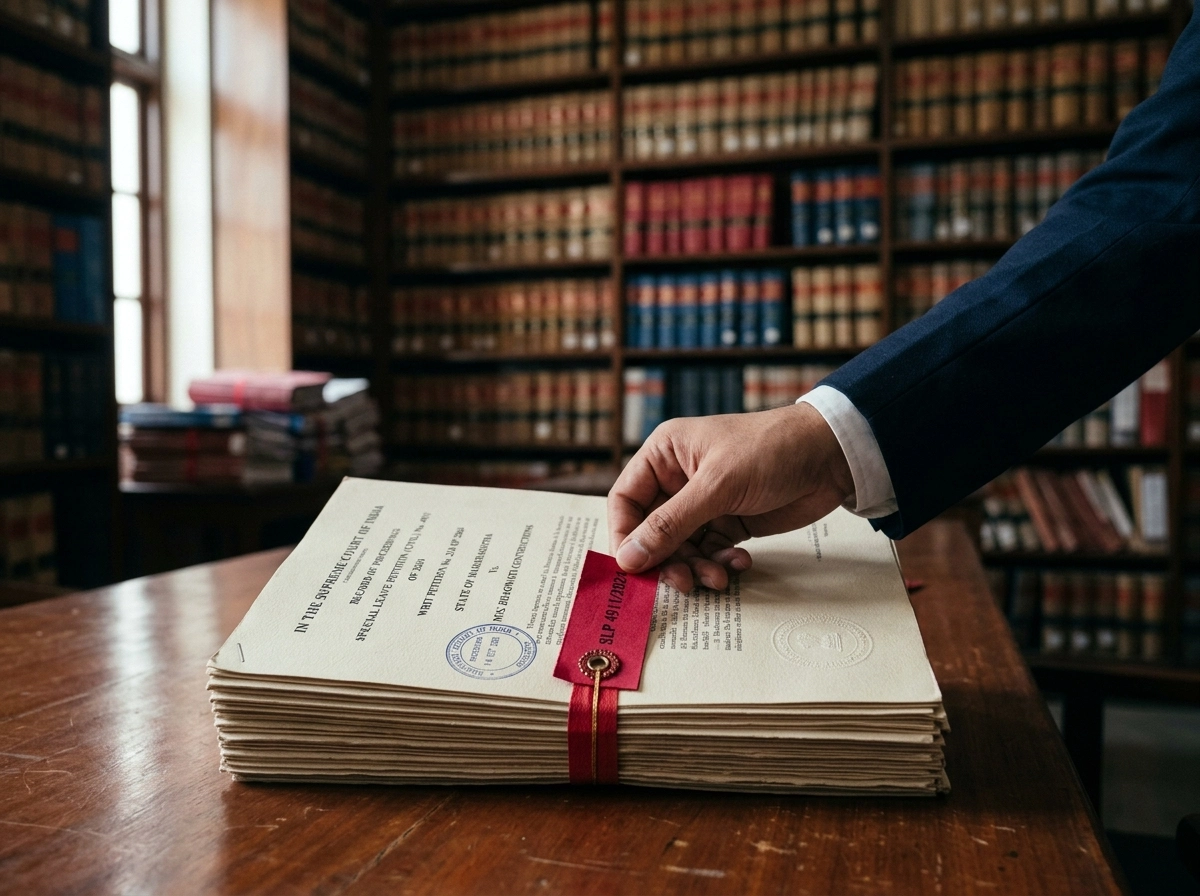
You’ve just agreed to a Senior Advocate’s massive appearance fee. You think the heavy lifting is done. Then, your Advocate-on-Record (AOR) sends a second invoice for “paperbooks” and “registry charges.” Suddenly, you’re looking at thousands more just to get your documents past the front gate. It’s a shock that hits most litigants right when the clock is ticking on their filing deadline.
Beyond the advocate: the registry’s toll
The cost of filing SLP in India is about more than just the person arguing the case. It’s about the physical and digital demands of the Supreme Court itself. Every Special Leave Petition (SLP) requires a court fee, which changes depending on what the case is about. While that fee might look small compared to a top-tier lawyer’s bill, the case expenses like courier and printing fees stack up fast.
It doesn’t stop at the filing, either. If the registry finds “defects”—which are often just minor formatting issues or a missing translation—you face a new round of administrative roadblocks. At Shashi Kiran Advocate, we’ve seen how these small procedural hiccups drain a budget if an experienced team isn’t watching the details. It’s rarely a straight line from the filing counter to the courtroom.
The weight of documentation
The Supreme Court is a court of record, and its appetite for paper is huge. You aren’t just filing one copy. You’re filing multiple sets of “paperbooks” for the judges, the registry, and the opposing parties. If your case record from the High Court is thick—common in property or service matters—the printing and binding costs can get expensive.
When you file a civil appeal or SLP, the registry wants absolute precision. This is why a good civil appeal lawyer is so important. They make sure the paper trail is clean the first time so you don’t pay for re-filing.
Navigating the legal fee structure Supreme Court
The Supreme Court registry charges also include “clerkage”—a standard 10% fee on professional charges—and fees for serving notices to respondents. It’s easy to think of these as minor. But in the costs regime in Indian civil litigation, they are mandatory.
Litigation is a grind. You might have the best merits, but if you haven’t budgeted for the registry’s quiet demands, the process becomes a financial headache before the first argument is even heard. It’s not always about who has the better case. Often, it’s about who is better prepared for the administrative slog.
Why the ‘winning party’ rarely recovers their actual spend
Section 35A of the Code of Civil Procedure (CPC) often caps compensatory costs for false or vexatious claims at a symbolic ₹3,000. In the context of the Supreme Court, where a single hearing can cost hundreds of times that amount, this recovery is practically negligible. It’s a bitter pill for many to swallow: you win the battle, but you’re still out of pocket for the war. Most litigants assume ‘costs follow the event,’ meaning the loser pays the winner’s bill. But in reality, there’s a massive gulf between actual legal fees and litigation costs and what the court officially ‘taxes’ as recoverable.
the myth of full reimbursement
The Supreme Court Registry operates on a ‘schedule of fees’ that hasn’t kept pace with the commercial reality of modern law. While you might pay a top-tier counsel a significant sum for a single appearance, the Registry might only recognize a fraction of that as a ‘taxable’ cost. This discrepancy is one of the most overlooked hidden legal costs in India. It means that even a total victory rarely covers the real-world Supreme Court litigation expenses incurred during the process.
And it’s not just the senior counsel fees. The costs of drafting, clerkage, and specialized AOR services are often reimbursed at rates that feel like they’re from a different era. This doesn’t always hold true in every commercial matter,courts occasionally award ‘actual costs’ in high-stakes corporate disputes,but for the average litigant, the ₹3,000 ceiling or similarly low registry assessments remain the standard.
why realistic budgeting matters
If you’re planning to secure your legal victory, you have to treat your legal spend as a sunk investment rather than a recoverable debt. This is why litigation budgeting in India is so vital. You need to know exactly what you’re committing to upfront without the expectation of being ‘made whole’ by the other side.
When you consult a criminal appeal lawyer in the Supreme Court of India, ask for a candid breakdown of what is likely to be recovered versus what you will definitely lose. Following essential steps to find the right Supreme Court advocate in Delhi for your 2025 litigation involves vetting their transparency on these financial gaps. The goal isn’t just to win; it’s to ensure the cost of winning doesn’t outweigh the value of the relief you’re seeking.
The trap of clerical ‘miscellaneous’ expenses
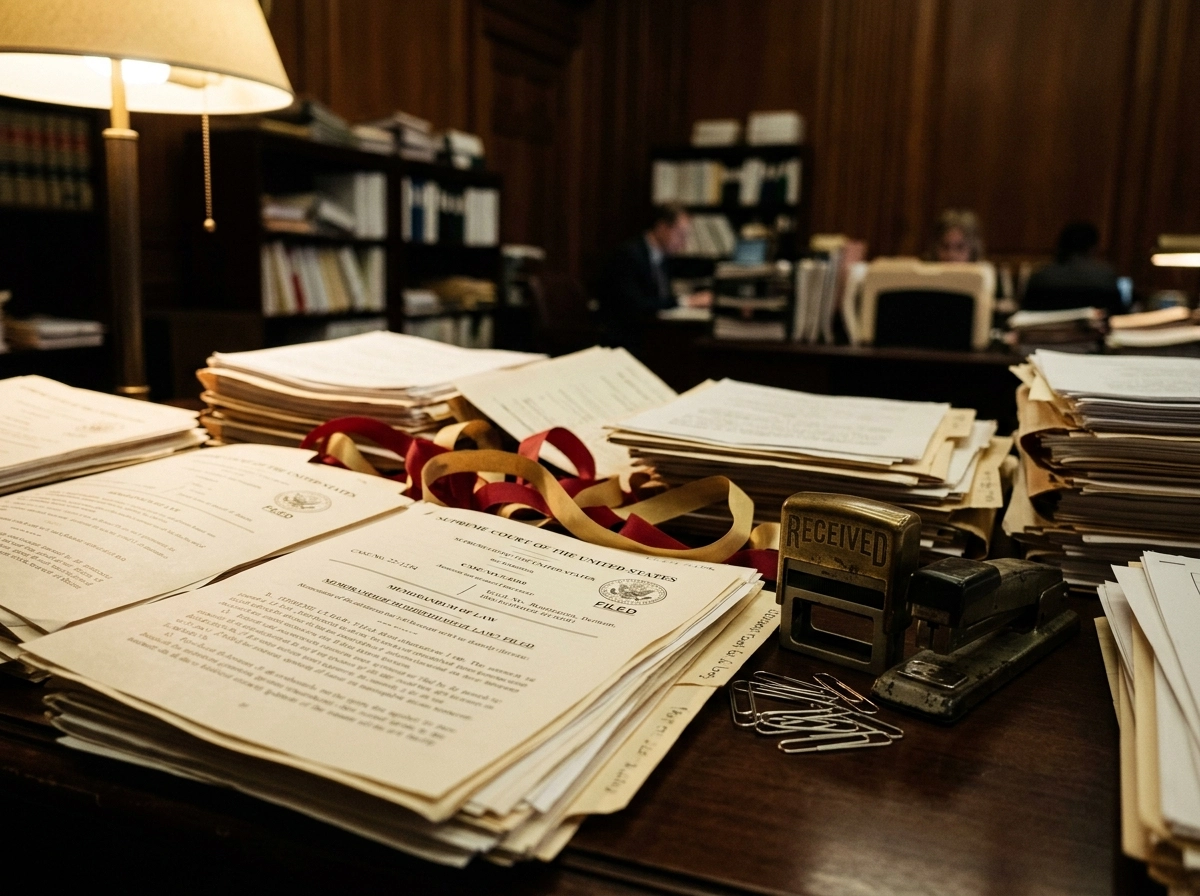
If the court’s measly ₹3,000 cost award feels like an insult, the “miscellaneous” line item on your monthly bill will feel like a trap. Most litigants fixate on the big-ticket items,the Senior Advocate’s appearance fee or the AOR’s retainer. But the true budget-killer in the Supreme Court is the friction of paper and people.
The 10% clerkage rule
In the Delhi legal ecosystem, “clerkage” is a standard but often unmentioned surcharge. It’s generally 10% of the professional fees for advocates. If you’re paying an AOR ₹50,000 for a filing, expect another ₹5,000 to be tacked on for their clerk. This isn’t just a tip; it’s the fuel that moves your physical file through the Registry’s complex labyrinth. Clerks handle the logistics of curing defects and tracking listings. Without them, your case simply stops moving.
Documentation and the paper mountain
The Supreme Court is still a world of massive paper trails. Every Special Leave Petition (SLP) requires multiple sets of documents, meticulously indexed and bound. When you consider that the average cost of litigation per day often exceeds thousands of rupees, a significant portion is eaten up by printing, photocopying, and courier charges. These aren’t trivial expenses. A single 400-page paper book, reproduced across seven sets, can cost a fortune before a single word is even argued in court.
Drafting as a distinct cost
Drafting isn’t just typing; it’s the skeletal structure of your entire case. Many firms bill drafting as a separate professional fee, distinct from the filing or appearance fees. If you don’t take essential steps to find the right Supreme Court advocate in Delhi who provides a transparent breakdown, these charges can balloon unexpectedly.
And honestly, the lack of a standardized legal fee structure Supreme Court means these costs are often opaque. You might see charges for “conference fees” or “stenography” that weren’t in your initial mental budget. Results vary, but the reality is that the “small” stuff often adds 20% to your total bill.
Financial lifelines for the middle income group
After you’ve tallied up the filing fees and those ‐clerkage‐ surprises we just discussed, the total can look pretty daunting. If you’re like most people I talk to, you don’t qualify for free legal aid, but you also don’t have a corporate war chest. You’re in that “missing middle” where the costs of justice feel like they’re designed for someone else.
The SCMIGLAS safety net
The Supreme Court Middle Income Group Legal Aid Scheme (SCMIGLAS) is a lifeline I often point people toward when the math just doesn’t add up. If your gross annual income is under •12 lakh, this scheme provides a structured, transparent fee schedule. It’s not just about saving money; it’s about removing the volatility from supreme court advocate fees. You get a panel-appointed AOR and, if necessary, a Senior Advocate, without the open-ended billing that usually happens in the private market. And while this isn’t a silver bullet for every complex matter, it provides a floor of stability for those who feel priced out.
Smart litigation budgeting in India
If you don’t qualify for the scheme, you have to be your own financial manager. Effective litigation budgeting India starts with a hard conversation about the “long game.” I always suggest clients ask for a phase-wise breakdown: what is the cost for the Special Leave Petition (SLP) drafting versus the actual admission hearing?
The reality is that the average cost of litigation includes daily incidentals that many folks ignore until the bill arrives. When you are looking for top legal representation in Delhi’s Supreme Court, you need to look for transparency as much as you look for experience.
Setting realistic expectations
Don’t let the fear of legal representation costs India stop you from seeking justice. But don’t walk in blind either. I’ve seen cases fall apart not because of the law, but because the client ran out of breath financially. Get everything in writing. A transparent fee agreement with an AOR like Shashi Kiran helps you focus on the merits of your case rather than worrying about the next invoice. What’s your biggest concern when it comes to the financial side of your case?
Struggling to navigate the complex fee structure of the Supreme Court? Reach out to Advocate for a transparent consultation or call +91-92121-97427 to discuss your case.
Frequently Asked Questions
Why do I have to pay an Advocate-on-Record if I already have a lawyer?
The Supreme Court requires an Advocate-on-Record (AOR) to handle all filings and procedural matters. It’s a mandatory gatekeeper role, meaning your existing lawyer can’t file documents without one. You’ll need to budget for this as a distinct, non-negotiable cost layer.
How much do Senior Advocates typically charge for a single hearing?
Fees are entirely market-driven and vary wildly depending on the lawyer’s profile. You might see figures ranging from ₹5 lakh to over ₹20 lakh per appearance for top-tier counsel. Always ask for a clear, written fee structure before they step into the courtroom.
Can I recover my legal costs if I win my Supreme Court case?
Honestly, you’ll rarely recover your actual spend. While courts can award costs, there’s often a low statutory ceiling, like the ₹3,000 limit under Section 35A. Don’t count on a court-ordered reimbursement to cover your total legal budget.
Does the Supreme Court offer any help for middle-income families?
Yes, the Supreme Court Middle Income Group Legal Aid Scheme (SCMIGLAS) is a great resource. If your annual income is under ₹12 lakh, it provides access to a panel of experienced advocates with a much more transparent and structured fee schedule.
What happens if I don’t budget for ‘miscellaneous’ expenses?
You’ll likely get blindsided by invoices for drafting, clerkage, and documentation that weren’t in your initial estimate. These small, recurring costs can quietly double your budget if you don’t demand a detailed breakdown from your legal team upfront.


