

Introduction
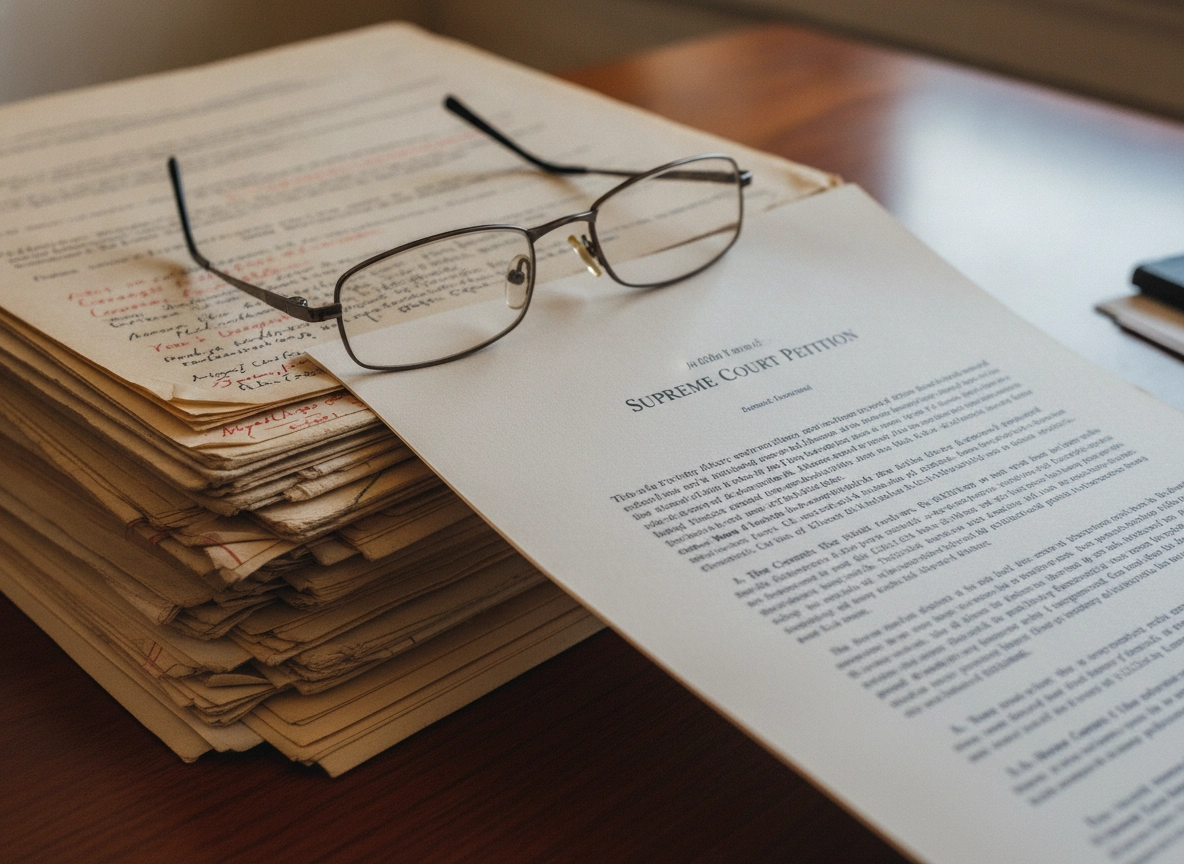
Most litigants treat the Supreme Court like a “third trial” where they can finally get someone to listen to the facts the Delhi High Court supposedly missed. Honestly? That’s a dangerous assumption that usually ends in a summary dismissal. When you’re looking at the delhi high court to supreme court appeal procedure, you aren’t just moving folders to a higher building; you’re fundamentally changing how your story is told. In the High Court, we argue about evidence, witness testimony, and the “what” of your case. But the Supreme Court isn’t interested in re-evaluating your facts. It functions as a court of constitutional interpretation and national precedent. While there are rare exceptions for gross injustice, the registry is generally quick to reject factual re-litigation. If your petition reads like a list of grievances about factual errors, it’ll likely hit a wall. You need a legal strategy transition that pivots away from the grit of the trial and focuses on why the law itself was misinterpreted. This shift is why why hiring a local Delhi High Court lawyer isn’t enough for the next phase. The Supreme Court’s jurisdiction is largely discretionary,meaning it’s a privilege, not a right, to be heard. You’re effectively asking for permission to appeal through a Special Leave Petition (SLP). Without a specialized Advocate on Record India to navigate these procedural hurdles, even the strongest case can fall apart before it reaches a judge’s desk.
Q: Why won’t my High Court facts work in the Supreme Court?
It’s a frustrating reality for many litigants: the Supreme Court isn’t interested in your ‘new’ evidence or the fact that a witness lied in the trial court. By the time your case reaches the final appellate stage, the window for factual debate has almost entirely slammed shut. I’ve seen clients arrive with suitcases of ‘missed’ documents, only to realize that the bench is looking for something far more abstract. And if your strategy remains rooted in the ‘he-said, she-said’ of the lower courts, you’re likely headed for a very short hearing. ### the finality of facts In the Delhi High Court, the focus is often on the ‘what’ of the case,what happened or what the contract actually specified. But the Supreme Court is a court of law, not a court of error correction for facts. This means why a solid Delhi High Court case still needs a separate Supreme Court strategy often comes down to how well you can pivot from the story to the statute. The court presumes the facts found by the lower courts are correct unless they’re ‘perverse’, though the evidence is mixed on how often ‘perversity’ is actually accepted as a ground for intervention. The Supreme Court’s intervention is governed primarily by Article 136 of the Constitution. Filing a petition isn’t an automatic right; it’s a request for the court’s permission. Meeting special leave petition requirements involves demonstrating substantial questions of law. If you’re simply asking the judges to re-weigh the evidence because you feel the High Court got it wrong, your petition will likely face a summary dismissal. This is exactly what happens when your Delhi High Court strategy hits a Supreme Court wall; the arguments that won you the day before suddenly lack traction because they address the ‘wrong’ level of law. ### framing a substantial question of law This shift explains why hiring a Delhi High Court lawyer differs from Supreme Court representation. While a trial lawyer is a storyteller, a Supreme Court practitioner must be a legal theorist. You might wonder, do you need a different legal mind for your Delhi High Court case vs the Supreme Court? The answer is almost always yes, because the grounds for appealing high court order must focus on legal interpretation. Stripping away the drama to find the ‘legal knot’ is how you secure high-caliber legal representation from a Delhi Supreme Court advocate like Advocate Shashi Kiran, who understands this technical distinction. Even if the facts are on your side, the Supreme Court rarely re-evaluates them. If your counsel isn’t prepared for this shift, you may find that legal costs double when moving from Delhi High Court to the Supreme Court without making any progress. It’s better to accept the factual finality early and focus on the legal errors that actually get a judge’s attention. This is why you shouldn’t assume your High Court lawyer can handle a Supreme Court appeal alone; the skill set required to navigate the highest court is fundamentally specialized and requires an Advocate-on-Record’s precision. Reach out today for a consultation or call +91-92121-97427 if you need to evaluate the legal strength of your appeal.
Q: Do I really need a new lawyer just because I’m moving to Tilak Marg?
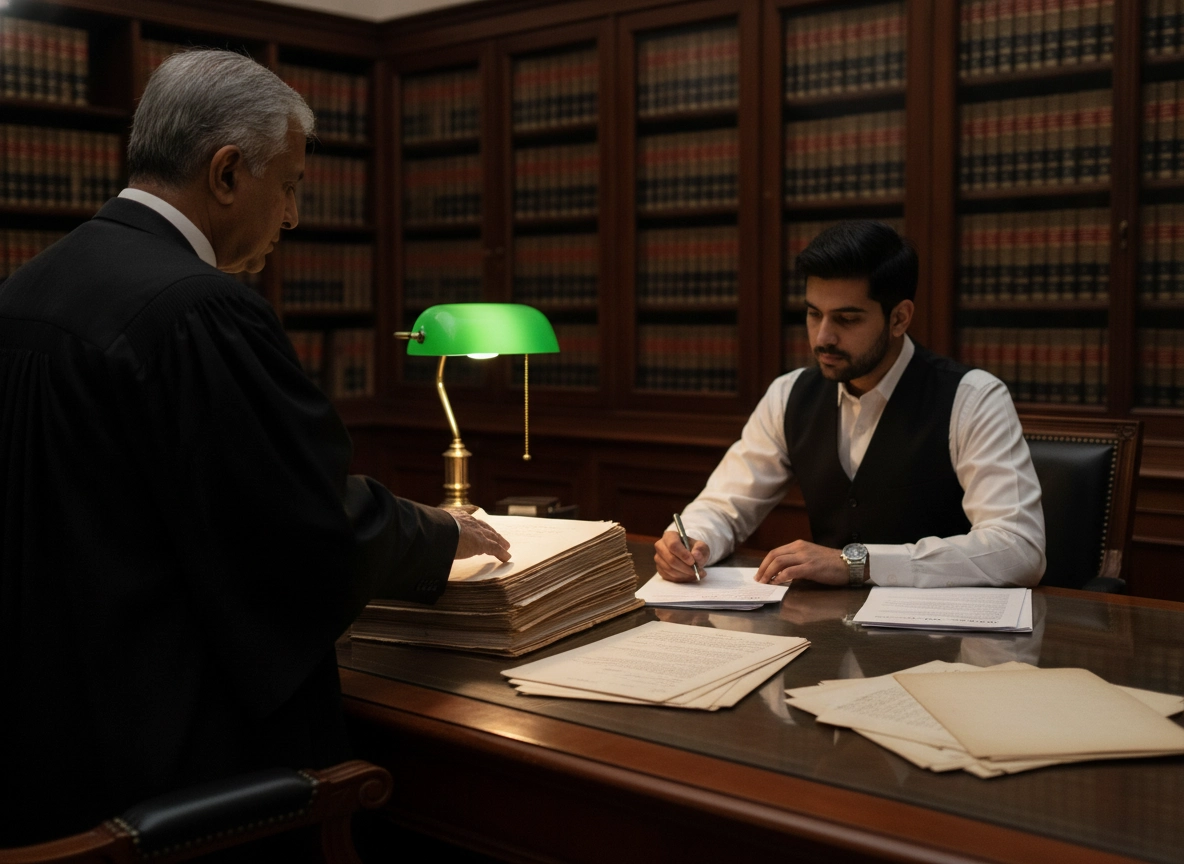
Moving from Sher Shah Road to Tilak Marg isn’t just a 15-minute drive through Lutyens’ Delhi. It’s a jump into a different world. If you’ve accepted that facts won’t save you anymore, you’ve got to accept that your current team might not be able to handle the paperwork. Most litigants think their delhi high court lawyer can just stroll into the Supreme Court and start talking. They can’t. The Supreme Court uses a strict gatekeeper called the Advocate on Record (AOR).
The mandatory gatekeeper
You don’t choose to have an AOR. You’re legally forced to. Only an AOR can file a case, sign papers, or talk to the registry. That’s why hiring an advocate on record is the first thing you do for a Special Leave Petition (SLP). These lawyers passed a brutal exam set by the court and have to keep an office nearby. They make sure Delhi High Court filing rules or old procedural mistakes don’t kill your appeal before a judge even looks at it.
Filing counsel vs. arguing counsel
There’s a massive difference between high court and supreme court lawyer roles that catches people off guard. Your current lawyer might know the facts, but the Supreme Court wants procedural perfection. This usually means a two-tier setup. You pay for the filing expert and the arguing counsel. It’s expensive, but it’s how the machine works.
Why your current lawyer might not be enough
Your High Court lawyer might be a household name, but hiring a famous Delhi High Court lawyer isn’t a magic fix for an appeal. At Shashi Kiran Advocate, we see people get hit with sticker shock over the case fee when moving to the Supreme Court because they didn’t plan for this requirement. The AOR is the one who builds the appeal. They know the impact of a Supreme Court lawyer on your appeal and how to dig out the constitutional issues that actually matter.
Q: How do we actually trigger the Supreme Court’s jurisdiction?
About 90% of cases landing in the Supreme Court get there through Article 136. It’s the standard route, not some legal side-path. When you’re moving case to supreme court from delhi, don’t assume the door is open. You’re actually asking for permission to even knock on it.
The bypass and the barrier
You could try Articles 133 or 134. This involves asking the Delhi High Court for a ‘Certificate of Fitness.’ If they think your case hits a ‘substantial question of law of general importance,’ they’ll hand you a ticket to the top. But let’s be real. These certificates are rare. Most people end up filing a Special Leave Petition (SLP) instead.
The SLP is a massive power. It lets the Supreme Court step into almost any judgment or order in India. But there’s a catch: it’s totally discretionary. The court doesn’t have to listen just because you think the High Court got it wrong. You have to show that something went seriously sideways or that the law needs a final, national answer.
Figuring out how to file slp in supreme court of india isn’t just about paperwork. It’s about finding the specific hook the court cares about. Data shows that when a case conflicts with precedent or tackles a brand-new legal problem, it’s much more likely to get admitted.
This is where an Advocate-on-Record like Shashi Kiran comes in. They don’t just push paper. They take your High Court arguments and strip away the fluff until they find a narrative the Supreme Court actually finds ‘certworthy.’ It’s not a do-over of your facts. It’s a fight over the rules of the game itself.
The 90-day clock and the paper trail problem

Imagine a litigant arriving at an office near Tilak Marg on day 88 of their limitation period, clutching a bulky file from the High Court. They often assume that as long as they show up before the deadline, the doors will swing open. But the Supreme Court registry doesn’t work on sentiment; it works on a rigid, 90-day stopwatch. Missing this window by even a few hours without a bulletproof application for condonation of delay usually results in the Special Leave Petition (SLP) being dismissed before a judge even glances at the merits.
This 90-day window for filing an SLP under Article 136 is the most unforgiving part of the journey. It’s not just about the final date; it’s about the weeks of forensic document preparation that must happen beforehand. You aren’t just ‘moving an appeal’; you’re building a new case from the ashes of the old one. This involves translating vernacular documents, certifying trial court records, and making sure the paper-book aligns with the strict appellate court requirements set by the Registry.
In my years of practice, I’ve seen that the ‘paper trail problem’ is where most cases stumble. The Registry’s scrutiny is legendary. If your pagination is off or a single annexure is illegible, the matter is flagged with ‘defects.’ You then enter a frustrating cycle of fixing these defects within a limited time. This is why knowing how to effectively partner with a Supreme Court advocate in Delhi is vital. An experienced hand knows how to navigate the ‘Defect List’ and keep the case on track.
The transition from the delhi high court to supreme court appeal procedure isn’t as simple as reusing your old files. Every single document from the lower courts must be verified and often re-typed to meet Supreme Court standards. Honestly, even with the best filing team, the process can feel like a bureaucratic labyrinth. Sometimes, delays in getting certified copies from the High Court can eat up 30 days of your 90-day limit. It’s a high-stakes race where the quality of your paperwork is just as important as your legal theory. Don’t wait until day 80 to start.
Q: What does the ‘admission hearing’ hurdle look like?
Once your 90-day clock has stopped and the registry has stamped your papers as “defect-free,” you enter the most volatile phase of the entire process: the admission hearing. If the Delhi High Court was a marathon where every piece of evidence was scrutinized, the Supreme Court’s first hearing is a 120-second sprint. You aren’t there to tell your story; you’re there to survive the threshold.
Why cases die at the threshold
Most litigants don’t realize that the vast majority of Special Leave Petitions (SLPs) are dismissed “in limine”,a Latin term meaning “at the threshold.” The Bench isn’t necessarily saying your facts are wrong. They’re saying your case doesn’t meet the high bar of a “substantial question of law” or hasn’t shown a “gross miscarriage of justice” that shocks the judicial conscience.
Think of it as an audition rather than a trial. You aren’t there to re-argue that a witness was lying or that a document was misread. You’re there to prove that the High Court’s decision creates a legal ripple effect that the Supreme Court must address. If you haven’t mastered how to verify an expert Supreme Court advocate in Delhi for complex appeals to refine your legal strategy transition, the judges will likely issue a dismissal order within minutes.
The two-minute window
In my experience, the atmosphere in these courtrooms is intense. Judges often come to the bench having already read the brief synopses. They’ve seen thousands of cases just like yours. If your counsel doesn’t hit the core constitutional or legal error in the first three sentences, the momentum is lost. It’s a surgical process, not a conversational one.
While some litigants look at procedural guidelines for high-stakes litigation to understand the gravity of supreme courts, the reality in India is that procedural discipline is non-negotiable. At Shashi Kiran Advocate, we’ve seen how a well-framed “Question of Law” can save a case that seemed destined for summary dismissal. Don’t expect a long, drawn-out debate. If the court issues a “Notice,” you’ve cleared the hurdle. If not, the journey ends right there at the door.
Conclusion & Key Takeaways

The transition from the Delhi High Court to the Supreme Court is a hard pivot that most litigants underestimate. It isn’t just a change of venue; it’s a total shift in how your story is told. If you’re still trying to argue about which witness was lying or which document was misinterpreted, you’re wasting your time and the court’s. The judges at Tilak Marg are looking for substantial questions of law, not a third chance to re-examine evidence.
Before you commit to moving case to supreme court from delhi, run through this final checklist to see if you’re actually ready:
- Identify the legal error: Can you point to a specific misinterpretation of a statute or a violation of a Supreme Court precedent?
- Check the clock: The 90-day limitation for an SLP is unforgiving. Every day spent indecisive is a day lost.
- Curate the record: You don’t need every page of the lower court record. You need the relevant ones that highlight the legal conflict.
- Select the right team: You need someone who understands the internal mechanics of the registry.
But the technicalities are only half the battle. This is where hiring an advocate on record becomes the most significant decision you’ll make. It’s a mandatory procedural requirement, sure, but a veteran AOR is also your primary strategist. They bridge the gap between the chaotic factual world of the lower courts and the technical, precedent-heavy environment of the apex court.
At the office of Shashi Kiran Advocate, we’ve seen too many well-founded cases fail simply because they were framed as factual disputes rather than legal questions. Don’t let a procedural error or a weak legal theory end your journey at the doorstep. The Supreme Court is a court of law, and your preparation must reflect that reality. If you’re ready to stop re-litigating the past and start arguing the law, it’s time to find the right appellate voice.
If you’re unsure about your next steps, Advocate Shashi Kiran handles complex transitions from the Delhi High Court to the Supreme Court and can guide your strategy.
Frequently Asked Questions
Can I just use my existing High Court lawyer for a Supreme Court appeal?
Honestly, you’ll need an Advocate on Record (AOR) to file the case. While your current lawyer might be great, the Supreme Court has a strict system where only an AOR can file documents and represent you on record. It’s a procedural requirement you can’t skip.
Why does the Supreme Court often reject cases without a full hearing?
It’s because the Supreme Court isn’t a third trial court; it’s a court of constitutional law. If your appeal just re-argues the facts from the High Court, it’ll likely be dismissed at the admission stage. They’re looking for a ‘substantial question of law’ that impacts the broader legal landscape.
How much time do I have to file an appeal after a High Court order?
You’ve generally got 90 days to file your Special Leave Petition. Don’t wait until the last minute, though, because preparing the paper-book for the Supreme Court registry is a technical, time-consuming process.
What is the difference between an SLP and a regular appeal?
An appeal is often a right, but a Special Leave Petition (SLP) under Article 136 is a privilege. The Court has the discretion to decide whether or not to even hear your case, which is why your legal strategy needs to be razor-sharp from day one.


