

What Must You Know About Appealing Criminal Verdicts to the Supreme Court in 2026?

Appealing a criminal verdict to the Supreme Court of India in 2026 is a significantly different landscape than even a few years ago. The procedural framework has been fundamentally reshaped by the introduction of the Bharatiya Nagarik Suraksha Sanhita (BNSS), replacing the erstwhile CrPC, and a mandatory shift to e-filing under the ‘Digital Supreme Court’ initiative.
My decades of experience in Supreme Court and High Court litigation have shown me that understanding these shifts is paramount for anyone considering challenging a verdict in 2026.
The primary route for criminal appeals to the Supreme Court remains the Special Leave Petition (SLP) under Article 136 of the Constitution. It is crucial to remember that an SLP is not an appeal as of right; the Court exercises its discretionary power only when a ‘substantial question of law’ or a ‘gross miscarriage of justice’ is evident.
Crucially, only an Advocate-on-Record (AOR) is authorized to file cases before the Supreme Court. This foundational requirement underscores the need for specialized legal counsel from the outset. For effective representation, especially when navigating the intricacies of the new BNSS, securing a seasoned supreme court criminal lawyer is non-negotiable.
The 2025-2026 judicial session has seen a particular focus on the interpretation of the new Bharatiya Nyaya Sanhita (BNS) and the Bharatiya Sakshya Adhiniyam (BSA), especially concerning digital evidence and forensic requirements. The Supreme Court’s increased use of AI-assisted translation for High Court judgments further expedites review, but also demands meticulous preparation of digital submissions.
The mandatory e-filing system for all criminal appeals, a hallmark of the ‘Digital Supreme Court,’ requires advocates to be proficient in digital procedures. This technological leap aims to streamline the process, but any oversight can prove costly.
Furthermore, the current judicial climate is marked by significant ‘transitional litigation,’ where the applicability of old versus new penal codes for crimes committed before July 2024 is frequently debated. This complexity adds another layer to the strategic considerations for any criminal appeals being heard in 2026.
Understanding these evolving procedural and substantive legal nuances is not merely academic; it is the bedrock of a successful appeal. This guide will delve into each critical aspect, from preparing your petition to arguments, ensuring you are well-equipped to face the challenges of challenging a verdict in 2026. When facing such a critical juncture, seeking guidance from an experienced Advocate in Delhi NCR like Advocate Shashi Kiran, an Advocate-on-Record with over 35 years of experience in Supreme Court litigation, can make all the difference. We combine deep legal knowledge with an empathetic approach to guide clients through these complex processes.
Why Is Expert Legal Counsel Indispensable for a Supreme Court Criminal Appeal?
Appealing a criminal verdict to the Supreme Court is not merely a higher court filing; it’s a journey into a distinct legal ecosystem where precision, strategic foresight, and specialized expertise are paramount. In 2026, with the procedural framework of the Bharatiya Nagarik Suraksha Sanhita (BNSS) firmly in place and the Supreme Court’s increased reliance on digital processes, the need for expert legal counsel becomes not just beneficial, but truly indispensable.
The Dual Imperative: AOR and a Seasoned Criminal Advocate
The most fundamental aspect of navigating a Supreme Court criminal appeal is the mandatory requirement of an Advocate-on-Record (AOR). Only an AOR is authorized to file cases before the apex court, making them the gatekeepers to the Supreme Court’s registry. This isn’t just a formality; it ensures that every petition meets the stringent procedural standards unique to the Supreme Court. As an advocate with over 35 years of experience, I’ve seen firsthand how a meticulous AOR can make or break the initial stages of an appeal.
A skilled AOR is the essential first step in any Supreme Court appeal, ensuring procedural compliance.
Beyond the procedural gateway, the substantive challenge demands a seasoned criminal advocate supreme court, someone who understands the nuances of criminal law as applied at the apex level. This legal defense expert is crucial for crafting arguments that resonate with the Supreme Court’s discretionary power under Article 136, focusing on ‘substantial questions of law’ or ‘gross miscarriage of justice’. Without this specialized insight, even a strong factual case can falter on legal grounds. To understand the process of engaging such experts, consider reading about how to appoint the right Supreme Court advocate in Delhi for 2026.
Navigating New Legal Frontiers: BNSS, BSA, and Digital Evidence
With the implementation of the Bharatiya Nagarik Suraksha Sanhita (BNSS) and the Bharatiya Sakshya Adhiniyam (BSA) in 2024, the landscape for criminal appeals has fundamentally shifted. These new laws introduce significant changes, particularly concerning digital evidence and forensic requirements, which demand an advocate who has not only studied these changes but has actively applied them in practice. A general practitioner, however competent in other courts, may lack the specific expertise required to challenge or uphold judgments based on these new statutes at the Supreme Court level.
This is where a best criminal lawyer in supreme court truly shines. They possess the forensic understanding to dissect digital evidence under BSA, challenge procedural lapses under BNSS, and argue complex transitional litigation issues arising from the shift from old penal codes. Their ability to articulate how a High Court judgment might misinterpret these new laws is paramount.
The Strategic Advantage of a Supreme Court Criminal Advocate
Successfully challenging a criminal verdict requires more than just knowing the law; it demands strategic thinking honed by years of experience with the Supreme Court. A top criminal advocate can identify critical legal errors, frame arguments compellingly, and anticipate the court’s scrutiny. They understand that the Supreme Court is not a court of facts, but a court of law, making the legal framing of the appeal utterly decisive.
The value of a specialized Supreme Court criminal advocate lies in their ability to transform complex legal issues into clear, persuasive arguments for the apex court.
For anyone facing a criminal appeal in the Supreme Court, securing the right legal representation is the single most important decision. It is the difference between a meticulously crafted appeal that stands a chance of intervention and one that merely adds to the statistics. For guidance on building a robust defense, explore how to build an unshakeable defense with a Supreme Court criminal lawyer’s expertise.
How Do You Initiate the Appeal Process: Understanding the Special Leave Petition (SLP) for 2026?

Initiating an appeal against a criminal verdict in the Supreme Court of India is a nuanced process, distinct from a regular appeal. As an advocate with extensive experience, I often explain to clients that the primary mechanism for challenging a High Court judgment in a criminal matter is through a Special Leave Petition (SLP) under Article 136 of the Constitution. This isn’t an appeal as of right; rather, it’s an invocation of the Supreme Court’s extraordinary discretionary power to intervene in cases of grave injustice.
Understanding the Special Leave Petition (SLP)
The SLP serves as a critical safety net, allowing the Supreme Court to hear appeals against any judgment, decree, determination, sentence, or order in any cause or matter passed or made by any court or tribunal in the territory of India. For 2026, the procedural framework is governed by the Bharatiya Nagarik Suraksha Sanhita (BNSS), requiring meticulous adherence to new procedural norms.
The SLP is not an automatic right; it is a plea for the Supreme Court’s extraordinary intervention.
Eligibility and Grounds for Intervention
The Supreme Court exercises its discretion to grant special leave only when compelling grounds are established. My practice has shown that two primary criteria typically sway the court:
- Substantial Question of Law: This arises when the High Court’s judgment involves a significant legal point that has not been definitively settled, or where there’s a clear misinterpretation of existing statutes, particularly the Bharatiya Nyaya Sanhita (BNS) or the Bharatiya Sakshya Adhiniyam (BSA). With the recent transition from old penal codes, we’re seeing an increase in ‘transitional litigation,’ making accurate legal interpretation crucial.
- Gross Miscarriage of Justice: This ground is invoked when the verdict is so perverse or unjust that it shocks the conscience of the court, perhaps due to a complete disregard for evidence, procedural impropriety, or a patent error on the face of the record. This is often where the court steps in to correct a fundamental wrong.
The Strict 90-Day Timeline for Filing
One of the most critical aspects of filing an SLP in 2026 is the stringent timeline. An SLP must be filed within 90 days from the date of the High Court’s judgment, order, or decree. Any delay beyond this period, unless adequately explained and condoned by the court, can prove fatal to the petition.
The SLP Filing Process for 2026
Navigating the SLP filing process requires both precision and specialized expertise. Here’s how it generally unfolds:
- Engaging an Advocate-on-Record (AOR): Only an AOR is authorized to file cases before the Supreme Court. This is a non-negotiable requirement. An experienced
Supreme Court advocate Delhican guide you through this initial, vital step. - Petition Drafting: The AOR, often in collaboration with a seasoned
Supreme Court criminal lawyer, will draft the SLP, meticulously outlining the facts, the grounds for intervention (substantial question of law or miscarriage of justice), and the prayers sought. - Mandatory E-Filing: As part of the ‘Digital Supreme Court’ initiative, e-filing is mandatory for all criminal appeals in 2026. This streamlines the process but demands technical proficiency.
- Court Fees and Affidavits: Proper court fees must be paid, and supporting affidavits, along with all relevant documents from the lower courts, must be submitted.
Successfully initiating an SLP demands not just legal acumen but also strategic foresight in presenting the case effectively. Firms like Advocate Shashi Kiran Advocate, with extensive experience in criminal law strategy, understand these intricacies. For those seeking to challenge a verdict in 2026, understanding this SLP filing process is paramount. To learn more about building a robust criminal defense strategy, you can explore resources on finding the right defender.
What Are the Key Grounds for Challenging a Criminal Verdict in the Supreme Court?
When a criminal verdict reaches the Supreme Court, it’s not merely a re-examination of facts; it’s an appeal grounded in substantial questions of law or a clear demonstration of a gross miscarriage of justice. As an advocate with over three decades of experience, I’ve seen that successfully challenging a verdict in 2026 hinges on identifying precise legal infirmities, especially in a rapidly evolving judicial landscape.
Misinterpretation of New Penal Laws: BNS and BSA
One of the most potent grounds for challenging a criminal verdict in the Supreme Court today involves the misinterpretation or misapplication of the new penal codes. The Bharatiya Nyaya Sanhita (BNS) replaced the Indian Penal Code, and the Bharatiya Sakshya Adhiniyam (BSA) took over from the Indian Evidence Act in 2024. This transition has created a significant body of ‘transitional litigation.’
Lower courts, still grappling with the nuances of these new statutes, might commit errors in their interpretation of key provisions. Such misinterpretations, particularly concerning the definition of offenses or the admissibility of evidence under BSA, present a strong basis for a challenging verdict 2026 in the apex court. The Supreme Court often steps in to provide authoritative interpretations, ensuring uniformity across the judicial system.
Procedural Lapses under BNSS
Beyond substantive law, procedural integrity is paramount. The Bharatiya Nagarik Suraksha Sanhita (BNSS), which replaced the CrPC, outlines the framework for criminal procedure. Any significant deviation from these prescribed procedures by the trial court or High Court can constitute a valid ground for intervention by the Supreme Court.
This includes issues such as unfair trial practices, denial of a fair hearing, non-compliance with mandatory provisions for investigation or trial, or improper application of bail provisions. These procedural errors aren’t just technicalities; they often impinge on the fundamental rights of the accused, making them ripe for challenge through a Special Leave Petition (SLP).
Handling of Digital Evidence and Forensic Requirements
The digital age has transformed criminal investigations, and the handling of digital evidence is now a critical area. Under the BSA, specific protocols for the collection, preservation, and admissibility of digital evidence are outlined. With the ‘Digital Supreme Court’ initiative, the scrutiny over such evidence is even higher.
If the lower courts have failed to properly appreciate or apply these provisions, perhaps admitting digital evidence without proper certification or ignoring forensic requirements, it can form a strong basis for appeal. A skilled legal defense expert will meticulously review the entire chain of custody and forensic analysis to identify these crucial flaws. To understand how to find such expertise, consider exploring how to engage a Supreme Court criminal advocate for your case.
Successfully navigating these complex legal waters requires a sophisticated criminal law strategy and the guidance of an experienced Supreme Court advocate Delhi. For robust representation and strategic counsel, it is crucial to consult with seasoned professionals. Learn more about constructing an ironclad defense with a Supreme Court criminal lawyer in 2026.
How Has Digitalization Transformed Supreme Court Criminal Appeals in 2026?

The landscape of criminal appeals before the Supreme Court has undergone a profound transformation in 2026, largely driven by the ambitious ‘Digital Supreme Court’ initiative. As an advocate who has navigated the corridors of justice for over three decades, I can attest that this digital shift is not merely a convenience; it’s a fundamental procedural paradigm that every appellant and their legal counsel must master.
The Mandate of E-Filing Criminal Appeals
The most significant change is the mandatory e-filing process for all criminal appeals. Gone are the days of endless paper trails and voluminous physical dockets. Under the procedural framework of the Bharatiya Nagarik Suraksha Sanhita (BNSS), every document, from the Special Leave Petition (SLP) itself to supporting affidavits and annexures, must now be submitted electronically. This shift demands meticulous attention to digital formatting, file naming conventions, and secure submission protocols.
The era of physical dockets is decidedly over; digital proficiency is now non-negotiable for e-filing criminal appeals.
This system streamlines the initial stages, ensuring faster processing and reducing administrative bottlenecks. However, it also places a burden on legal teams to be fully conversant with the court’s online portal and its specific requirements. A single error in digital submission can lead to delays or even rejection, making adherence critical for anyone challenging verdict 2026.
AI-Assisted Translation and Enhanced Review
Another innovative stride within the digital supreme court framework is the increasing utilization of AI-assisted translation for regional High Court judgments. With cases coming from across the nation, often involving vernacular judgments, this technology significantly expedites the review process for the Supreme Court. What once took weeks, if not months, for human translation can now be processed in a fraction of the time, enhancing judicial efficiency.
This technological aid means the Court can address a wider array of cases more quickly, contributing to the 25% increase in disposal rates observed since the implementation of the Integrated Case Management Information System (ICMIS).
Adapting to the Digital Era for Criminal Justice Advocates
For any criminal justice advocate today, adapting to these digital advancements is paramount. It’s no longer enough to possess deep legal knowledge; one must also be a savvy digital practitioner. This includes:
- Mastering the e-filing portal: Understanding every nuance of the Supreme Court’s online submission system.
- Digital document management: Ensuring all case-related documents are digitally prepared, indexed, and ready for submission.
- Leveraging technology: Utilizing legal tech tools for research, case management, and even internal communication.
The successful navigation of a criminal appeal in 2026 hinges on both legal acumen and technological preparedness. It highlights the need for specialized legal counsel who are not only experts in substantive and procedural law but also adept at handling the intricacies of the digital court system. If you are seeking to navigate these complexities, securing a Supreme Court advocate in Delhi with a proven track record in the Supreme Court appeal process is crucial.
The digital transformation of the Supreme Court is a testament to its commitment to efficiency and accessibility. For appellants, it means a more streamlined, albeit demanding, path to justice, requiring a proactive and technologically informed approach to challenging verdict 2026.
What Are the Strategic Considerations for Crafting a Compelling Argument in 2026?
Identifying the Pivotal Legal Questions
Crafting a compelling argument in 2026, particularly within the evolving landscape of the Bharatiya Nagarik Suraksha Sanhita (BNSS), demands a laser focus on identifying the precise legal questions that will resonate with the Supreme Court. With criminal law strategy now deeply intertwined with new legislative frameworks like the Bharatiya Nyaya Sanhita (BNS) and the Bharatiya Sakshya Adhiniyam (BSA), the true art lies in pinpointing where the lower courts may have erred in interpretation or application. This isn’t merely about spotting procedural glitches; it’s about framing the core dispute as a substantial question of law, a prerequisite for a Special Leave Petition (SLP) under Article 136. Think critically: was a novel interpretation of digital evidence applied incorrectly? Did the court overlook the transitional provisions concerning crimes predating July 2024? These are the nexus points where a strong legal defense expert can distinguish between a losing battle and a Supreme Court win.
The strategic imperative is to distill complex issues into clear, legally pertinent questions that demand the apex court’s attention.
Presenting Arguments with Precision and Persuasion
In 2026, the presentation of arguments must be as sharp and efficient as the court’s digital infrastructure. Mandatory e-filing and the ‘Digital Supreme Court’ initiative mean that clarity and conciseness are paramount. A seasoned supreme court criminal lawyer understands that their written submissions, particularly the SLP paperbook, must be meticulously organized. Every assertion must be supported by precedent or statutory provisions, directly addressing the grounds for appeal. When oral arguments commence, the ability to succinctly articulate the core legal issue and its proposed resolution is crucial. The court’s increased disposal rate, aided by the Integrated Case Management Information System (ICMIS), signals an expectation for swift, impactful advocacy. Avoid lengthy narratives; focus on the legal pivots that justify the court’s intervention. This precision ensures that your argument cuts through the approximately 30% of the SCI’s caseload that comprises criminal matters.
Leveraging Precedents and the ‘Bail as a Rule’ Directives
Effective criminal law strategy in 2026 hinges on the judicious use of precedent, especially in light of recent judicial pronouncements. While challenging a verdict, identifying Supreme Court judgments that align with your case’s factual matrix and legal arguments is essential. However, a critical strategic consideration for 2026 involves understanding and incorporating the recent directives on ‘bail as a rule.’ If your client is incarcerated pending appeal, highlighting how the lower courts may have contravened these directives—by prolonging incarceration without sufficient justification—can be a powerful persuasive tool. This is particularly relevant in transitional litigation where the application of BNSS or older procedural laws is contested. Demonstrating how the court’s decision impacts fundamental rights or leads to a miscarriage of justice, potentially by disregarding these ‘bail as a rule’ principles, adds significant weight to your appeal. For those seeking representation, navigating the complexities of these appeals necessitates engaging a qualified Advocate-on-Record who is adept at these nuanced arguments. If you’re navigating these intricate appeals, consider reaching out for a consultation to discuss how specialized expertise can strengthen your case. Engaging with a dedicated professional is key to successfully challenging a criminal verdict in the Supreme Court.
Can a Certificate of Fitness Under Article 134 Offer an Alternative Path to Appeal?
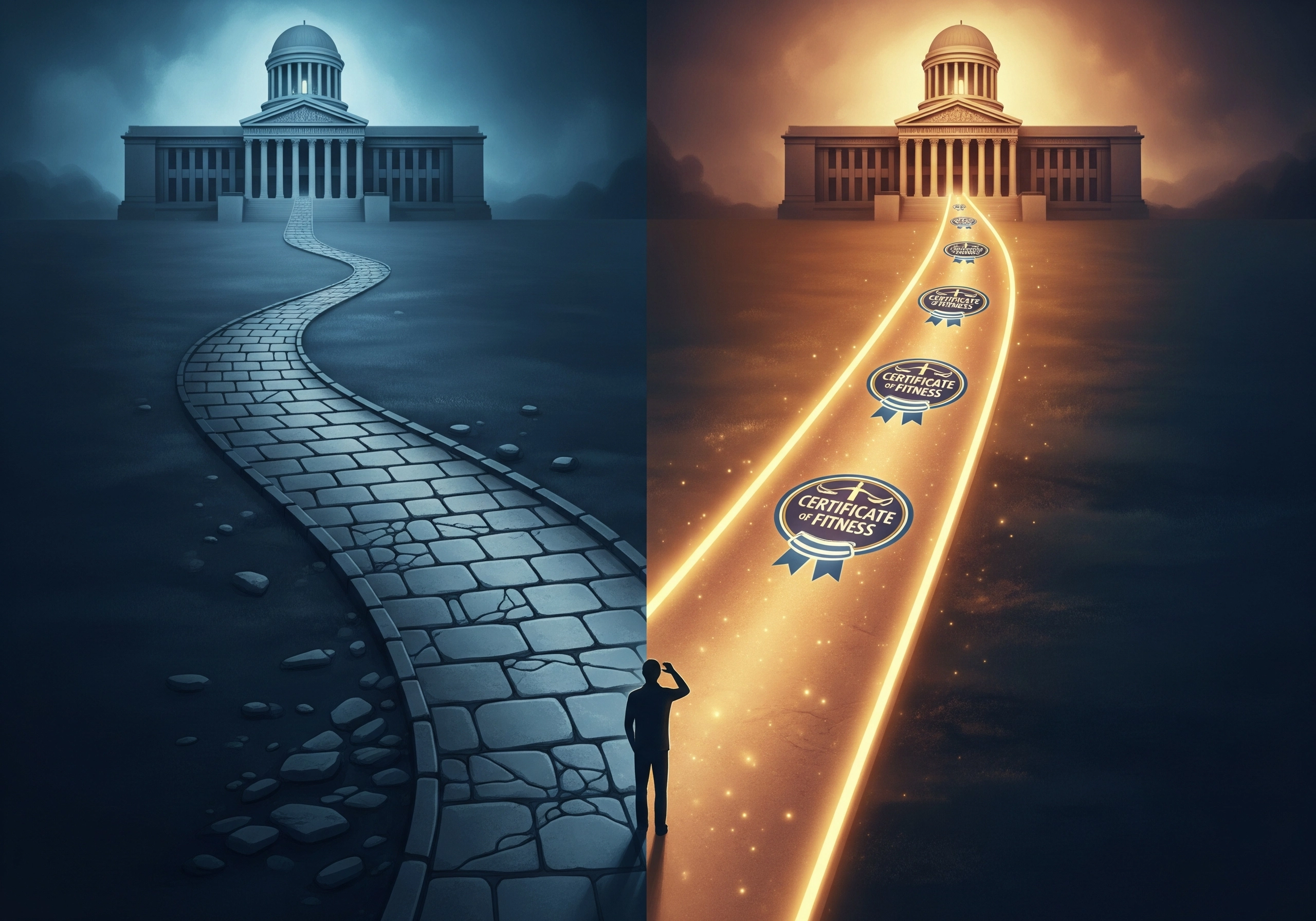
While the Special Leave Petition (SLP) under Article 136 of the Constitution remains the most common route for criminal appeals to the Supreme Court, it’s crucial to recognize an alternative path: the Certificate of Fitness under Article 134. This less frequently utilized, yet powerful, avenue offers a distinct mechanism for challenging verdict 2026 handed down by a High Court. Understanding this route is vital for a comprehensive appeal strategy.
What is a Certificate of Fitness?
An Article 134 appeal is rooted in a High Court’s certification that a case is fit for appeal to the Supreme Court. This isn’t merely a procedural formality; it’s a substantive declaration by the High Court itself, acknowledging that the matter involves a “substantial question of law of general importance” and that, in its opinion, this question needs to be decided by the Supreme Court. This certification essentially greenlights the case for the apex court’s consideration, bypassing the discretionary nature of an SLP.
Key Requirements for a Certificate of Fitness
For a High Court to grant a Certificate of Fitness under Article 134, specific conditions must be met. The High Court must be satisfied that:
- Substantial Question of Law: The case involves a significant legal point, not merely a factual dispute.
- General Importance: This question of law must be of broad public or legal significance, extending beyond the immediate parties to the dispute.
- Supreme Court’s Decision: The High Court must genuinely believe that the Supreme Court’s authoritative pronouncement on this question is necessary.
This rigorous standard ensures that only cases with profound legal implications are forwarded through this channel, distinguishing it from the broader grounds often cited in SLPs.
Certificate of Fitness vs. Special Leave Petition (SLP)
The fundamental difference lies in who initiates the review and on what grounds. An SLP is filed directly by the aggrieved party to the Supreme Court, appealing to its extraordinary discretionary power to intervene in cases of grave injustice or significant legal error. In contrast, an Article 134 appeal originates from the High Court’s own assessment of legal importance. While an SLP can be filed when the High Court refuses to grant a Certificate of Fitness, the latter provides a direct, albeit less common, route when the High Court itself deems the matter worthy of Supreme Court review.
For those challenging verdict 2026, understanding both avenues is critical. While SLPs offer a wider net for criminal appeals, a Certificate of Fitness can be a powerful endorsement from the High Court, indicating the legal merit of the case. Navigating these complex legal pathways requires the expertise of a seasoned criminal lawyer supreme court. For comprehensive guidance on securing the right legal representation, explore resources on Navigating Appeals in 2026: Securing a Supreme Court Advocate in Delhi. This alternative path, though less trodden, can be a viable and strategic option in specific circumstances, particularly when the High Court itself identifies a pivotal legal question that warrants the Supreme Court’s definitive interpretation.
What Are the Common Pitfalls to Avoid When Challenging a Verdict in 2026?
Challenging a criminal verdict at the Supreme Court of India in 2026 is a rigorous process, and even the most compelling criminal appeals can falter due to avoidable errors. My years of practice have shown me that preventing common pitfalls is as crucial as building a strong legal argument itself.
Overlooking Strict Timelines
One of the most frequent and fatal mistakes is missing the prescribed deadlines. Under Article 136 of the Constitution, a Special Leave Petition (SLP) must be filed within 90 days from the date of the High Court judgment. This is not merely a suggestion; it’s a strict mandate. Even a single day’s delay can result in the outright dismissal of your petition.
Diligent adherence to timelines is non-negotiable for any successful appeal.
Failing to accurately track these dates or to initiate the process with adequate lead time can prematurely end an appeal, regardless of its merits. A seasoned legal defense expert understands the critical importance of these windows.
Inadequate Documentation and Procedural Compliance
The Supreme Court demands meticulous record-keeping and strict adherence to procedural norms, especially with the mandatory e-filing under the ‘Digital Supreme Court’ initiative. Common pitfalls include incomplete annexures, improper indexing, or failure to convert documents into the correct digital format. Any missing document or procedural oversight can lead to delays or rejection at the filing stage.
Properly compiling and presenting the entire case record, including all relevant evidence and judgments from lower courts, is fundamental.
Selecting Unsuitable Legal Grounds for Appeal
Many litigants err by attempting to re-argue facts rather than focusing on a ‘substantial question of law’ or a ‘gross miscarriage of justice,’ which are the primary grounds for Supreme Court intervention. Simply disagreeing with a lower court’s factual findings will not suffice. For instance, misinterpretations of the Bharatiya Nyaya Sanhita (BNS) or the Bharatiya Sakshya Adhiniyam (BSA), especially concerning digital evidence or forensic requirements, present valid legal questions.
The Supreme Court is not a court of regular appeal but exercises discretionary power.
Without a clear, compelling legal argument, an SLP is unlikely to be admitted. This is where the nuanced expertise of a supreme court criminal lawyer becomes indispensable, identifying the precise legal levers to pull.
Underestimating the Advocate-on-Record Requirement
It is imperative to remember that only an Advocate-on-Record (AOR) is authorized to file a case or appear before the Supreme Court. Attempting to navigate the initial filing stages without engaging an AOR is a guaranteed path to procedural hurdles and delays. An AOR not only files the petition but ensures all procedural requirements under the Bharatiya Nagarik Suraksha Sanhita (BNSS) are met, integrating the specific nuances of the apex court.
Engaging a qualified AOR from the outset streamlines the entire process, ensuring compliance with Supreme Court Rules.
Navigating the Nuances of Transitional Litigation
The legal landscape in 2026 is marked by the transition from older penal codes to new laws like BNS and BNSS. A significant pitfall is failing to correctly apply the relevant procedural and substantive law, especially for crimes committed before July 2024 but adjudicated in 2026. This ‘transitional litigation’ demands a deep understanding of which law applies and how to argue its implications.
An experienced criminal justice advocate like Advocate Shashi Kiran, with her extensive background in Supreme Court litigation, can adeptly guide clients through these complexities, ensuring that every legal avenue is explored and every pitfall avoided. You can learn more about building a powerful defense with an expert Supreme Court Senior Advocate. For personalized guidance on your criminal appeal, considering the intricate legal framework of 2026, reaching out for a consultation is a prudent first step. Learn more about how a Supreme Court criminal lawyer builds a compelling defense.
How Do You Navigate Challenges and Seek Solutions During the Appeal Process?

Navigating a Supreme Court criminal appeal is rarely straightforward; unforeseen challenges often arise. As an advocate, I’ve learned criminal appeals troubleshooting requires anticipation and expert guidance. Proactive identification and swift action are paramount.
Addressing Procedural Hurdles in a Digital Era
The ‘Digital Supreme Court’ initiative in 2026, with mandatory e-filing, introduces new procedural complexities. Appellants might encounter technical glitches with ICMIS or face challenges correctly categorizing documents under the Bharatiya Nagarik Suraksha Sanhita (BNSS).
Meticulous digital preparation is non-negotiable for smooth filing.
Solutions involve diligent adherence to e-filing guidelines, seeking technical support, and engaging an Advocate-on-Record (AOR) well-versed in digital procedures. Your AOR ensures compliance and addresses discrepancies.
Mitigating Delays and Unexpected Legal Challenges
Despite increased disposal rates, the Supreme Court’s heavy caseload (30% criminal matters) means delays are an inherent risk. Unexpected legal challenges, especially ‘transitional litigation’ concerning new penal codes like BNS and BSA, also emerge.
Vigilance and adaptability are essential in a dynamic legal landscape.
Facing such challenges, a seasoned criminal lawyer supreme court employs strategies like filing interlocutory applications for expedition. They research precedents and leverage the court’s ‘bail as a rule’ stance to prevent prolonged incarceration.
The Indispensable Role of a Legal Defense Expert
Successfully navigating these complexities demands strategic insight and deep understanding of Supreme Court jurisprudence. A dedicated legal defense expert is indispensable, anticipating roadblocks and formulating precise solutions.
An expert assists in challenging verdict 2026 by interpreting new law nuances and identifying grounds for ‘substantial question of law’ or ‘gross miscarriage of justice’. For comprehensive assistance, verify a Supreme Court criminal lawyer’s expertise for your 2026 case. An experienced advocate, like those at Advocate Shashi Kiran, offers profound legal knowledge and an empathetic approach. Relying on such an expert translates procedural hurdles into strategic advantages. Their ability to craft a powerful defense leveraging a Supreme Court criminal lawyer’s expertise is paramount. Don’t hesitate to Reach out today for a consultation to ensure your appeal is in the most capable hands.
What Are Your Next Steps After Learning How to Challenge a Criminal Verdict?
Understanding the intricate process of challenging a criminal verdict in the Supreme Court is the critical first step. You’ve navigated the complexities of the Bharatiya Nagarik Suraksha Sanhita (BNSS), the role of Special Leave Petitions (SLPs), and the digital transformation impacting appeals in 2026. Now, the crucial question arises: what comes next after absorbing this vital knowledge? The journey from understanding to action is where the true strategic advantage lies.
Consolidating Your Knowledge: Key Takeaways for Challenging a Verdict
We’ve covered a substantial amount of ground, from the absolute necessity of an Advocate-on-Record (AOR) to the strict 90-day filing deadline for an SLP. You’ve learned about the specific grounds for intervention, particularly concerning the Bharatiya Nyaya Sanhita (BNS) and Bharatiya Sakshya Adhiniyam (BSA), and how digital evidence now plays a pivotal role. The transition from old penal codes to new laws also presents unique challenges, often requiring precise legal interpretations.
The path to successful criminal appeals demands meticulous preparation and a deep understanding of evolving legal frameworks.
Remember, the Supreme Court’s discretionary power under Article 136 is invoked only when a ‘substantial question of law’ or a ‘gross miscarriage of justice’ is evident. This isn’t merely about re-arguing facts but demonstrating a fundamental legal flaw or a profound injustice that requires the apex court’s intervention.
The Indispensable Role of a Supreme Court Criminal Lawyer
While this guide illuminates the path, the practical application of this knowledge demands the expertise of a seasoned professional. Navigating challenging verdict 2026 against the backdrop of new legislation and mandatory e-filing is not a task for the uninitiated. A supreme court criminal lawyer brings not only legal acumen but also the strategic foresight needed to identify the strongest grounds, articulate compelling arguments, and adhere to the rigorous procedural demands of the Supreme Court.
Their experience in framing a criminal law strategy is invaluable, especially when dealing with complex issues like transitional litigation or securing bail during the appeal process. They understand the nuances of the court’s stance on bail and the stringent requirements for a Certificate of Fitness under Article 134.
Your Next Step: Strategic Legal Consultation
The most logical and imperative next step is to seek expert legal counsel. Engaging with a specialist is not merely about finding someone to file papers; it’s about forming a partnership with an advocate who can critically assess your case, identify the most viable legal pathways, and craft a bespoke criminal law strategy designed for success in the Supreme Court.
A well-informed decision now can significantly impact the trajectory of your criminal appeal.
For those seeking to challenge a criminal verdict, it’s crucial to consult with an Advocate-on-Record who possesses extensive experience in Supreme Court litigation. My own practice, as highlighted on Shashi Kiran Advocate, emphasizes both deep legal knowledge and an empathetic approach to sensitive matters. We understand the weight of these decisions and are committed to providing clear, trustworthy guidance.
To build a powerful defense and discuss your options for challenging verdict 2026, I encourage you to reach out today for a confidential consultation. You can explore how a skilled Supreme Court criminal lawyer can make a tangible difference in your case. Call or WhatsApp +91-92121-97427.
Navigating the complexities of challenging a criminal verdict requires expert guidance. Secure the best legal representation for your case by consulting with experienced professionals at Advocate. Contact us today to discuss your legal strategy.
People Also Ask
What is the primary legal route to challenge a criminal verdict in the Supreme Court of India in 2026?
The primary legal route to challenge a criminal verdict in the Supreme Court of India in 2026 is through a Special Leave Petition (SLP) under Article 136 of the Constitution. This is not an appeal as of right but a discretionary power of the court to intervene in cases involving a substantial question of law or a gross miscarriage of justice.
What is the role of an Advocate-on-Record (AOR) in Supreme Court criminal appeals?
An Advocate-on-Record (AOR) is mandatory for filing any case in the Supreme Court of India. They are specifically authorized to represent clients and file petitions before the apex court. Engaging a qualified AOR is a crucial first step in initiating any criminal appeal.
How does the Bharatiya Nagarik Suraksha Sanhita (BNSS) affect criminal appeals in 2026?
The Bharatiya Nagarik Suraksha Sanhita (BNSS), which replaced the CrPC, is the procedural framework governing criminal appeals in 2026. Understanding its provisions, especially concerning digital evidence and new penal codes like the BNS and BSA, is vital for formulating a strong legal defense strategy.
What are the key grounds for challenging a criminal verdict in the Supreme Court?
Key grounds for challenging a criminal verdict include misinterpretation of new penal laws (BNS, BSA), procedural errors under BNSS, issues with digital evidence, substantial questions of law, or evidence of a gross miscarriage of justice. A legal defense expert can help identify and articulate these grounds effectively.
Is e-filing mandatory for criminal appeals in the Supreme Court in 2026?
Yes, e-filing is mandatory for all criminal appeals in the Supreme Court of India in 2026 as part of the ‘Digital Supreme Court’ initiative. Proficiency in the Integrated Case Management Information System (ICMIS) and adherence to digital protocols are essential for a smooth filing process.
What is the time limit for filing a Special Leave Petition (SLP) in the Supreme Court?
A Special Leave Petition (SLP) must generally be filed within 90 days of the judgment or order of the High Court being challenged. Strict adherence to this timeline is critical, as delays can lead to the petition being dismissed.