
Navigating the complexities of property law can be daunting, especially when dealing with significant investments or disputes. Finding a property lawyer who understands the intricacies of real estate law is crucial for protecting your interests. Whether you’re dealing with property transactions, land disputes, or need legal advice for property issues, this guide will help you find the right legal assistance.
1. Understanding the Basics of Property Law
Property law governs the rights and responsibilities associated with owning, using, and transferring real estate and personal property. It encompasses a wide range of issues, from property ownership and real estate transactions to property dispute resolution. Understanding these basics is the first step in finding the right real estate lawyer.
1.1. Defining Real Estate Law
Real estate law is a subset of property law that deals specifically with land and the structures attached to it. It includes aspects such as property rights, property deed laws, and zoning regulations. A real estate lawyer specializes in these areas, providing legal advice for property issues related to buying, selling, leasing, or developing property.
1.2. Key Elements of Property Rights
Property rights are fundamental to real estate law, granting owners the ability to possess, use, and dispose of their property as they see fit, within legal limits. These rights include the right to occupy, lease, sell, or develop the property. Understanding the scope of your property rights is essential, and a real estate lawyer can help clarify these rights and protect your interests. The legal protections for certain kinds of property can vary between jurisdictions.
1.3. Types of Legal Property Disputes
Legal property disputes can arise in various forms, including boundary disputes, title disputes, and contract disputes. These disputes often require the expertise of a property dispute resolution lawyer who can navigate the legal complexities and advocate for your rights. Early legal consultation is key to resolving these issues efficiently. Skilled Delhi advocates can efficiently resolve property conflict.

2. Step-by-Step Guide to Finding a Property Lawyer
Finding a competent property lawyer involves several steps, from identifying your specific needs to conducting thorough research and due diligence. This section provides a step-by-step guide to ensure you find the right legal professional for your property-related matters.
2.1. Identifying Your Specific Legal Needs
Before you start searching for a property lawyer, clearly define your legal needs. Are you involved in a property transaction, a land dispute, or do you require legal advice for property issues? Knowing your specific needs will help you find a lawyer with the relevant expertise. For instance, if you are dealing with a boundary dispute, a lawyer specializing in property dispute resolution is ideal.
2.2. Researching and Compiling a List of Potential Lawyers
Start your search by compiling a list of potential real estate lawyers in your area. Use online resources, such as Super Lawyers, Martindale-Hubbell, and local bar associations, to find reputable attorneys. Look for lawyers with experience in real estate law, property rights, and legal consultation. Check lawyer directories, such as the ones available at Lawyers.com, for detailed profiles and ratings.
2.3. Checking Credentials and Experience
Once you have a list of potential lawyers, verify their credentials and experience. Check their websites for information on their education, practice areas, and years of experience. Look for certifications or specializations in real estate law. Ensure that the lawyer is licensed to practice in your state. The more experience a lawyer has with cases similar to yours, the better equipped they will be to handle your case effectively.
2.4. Reading Reviews and Testimonials
Reviews and testimonials can provide valuable insights into a lawyer’s reputation and client satisfaction. Look for reviews on sites like Yelp, Google Reviews, and Avvo. Pay attention to both positive and negative feedback to get a balanced view of the lawyer’s services. Keep in mind that reviews are subjective, but they can highlight potential strengths and weaknesses.
2.5. Scheduling Initial Consultations
Schedule initial consultations with several lawyers on your list. Most lawyers offer free or low-cost initial consultations. This is an opportunity to discuss your case, ask questions, and assess the lawyer’s suitability. Prepare a list of questions to ask during the consultation, including their experience with similar cases, their approach to property dispute resolution, and their fee structure.
2.6. Asking Key Questions During the Consultation
During the initial consultation, ask key questions to gauge the lawyer’s expertise and suitability. Some important questions to ask include:
- How many years of experience do you have in real estate law?
- Have you handled cases similar to mine, and what were the outcomes?
- What is your approach to property dispute resolution?
- What are your fees, and how do you bill for your services?
- Do you have experience with property deed laws and real estate transactions in my state?
- Can you provide legal advice for property issues specific to my situation?
2.7. Evaluating Communication Style and Compatibility
Effective communication is crucial for a successful lawyer-client relationship. During the consultation, evaluate the lawyer’s communication style. Are they clear, concise, and easy to understand? Do they listen attentively and address your concerns? Choose a lawyer with whom you feel comfortable communicating and who demonstrates a genuine interest in your case. Compatibility is essential for a productive working relationship.
2.8. Understanding Fee Structures and Payment Options
Lawyers charge fees in various ways, including hourly rates, flat fees, and contingency fees. Understand the lawyer’s fee structure and payment options before retaining their services. Ask for a written fee agreement that outlines the scope of services, the billing rates, and the payment terms. Be sure to clarify any potential additional costs, such as court fees or expert witness fees. Transparency in billing is essential for avoiding misunderstandings.
2.9. Checking for Disciplinary Actions
Before hiring a lawyer, check for any disciplinary actions or complaints filed against them. You can check with your state’s bar association to see if the lawyer has a clean record. Disciplinary actions may indicate a history of professional misconduct or ethical violations. Choosing a lawyer with a clean record ensures that you are working with a trustworthy and ethical professional.
2.10. Making Your Decision and Retaining the Right Lawyer
After completing your research and consultations, make an informed decision and retain the right lawyer for your property-related matters. Sign a written retainer agreement that outlines the terms of your engagement, including the scope of services, the fee structure, and the responsibilities of both parties. This agreement provides clarity and protection for both you and the lawyer.

3. Tips for Working Effectively with Your Property Lawyer
Once you’ve hired a property lawyer, working effectively with them is crucial for achieving the best possible outcome in your case. This section provides tips for maintaining clear communication, providing necessary information, and actively participating in the legal process.
3.1. Maintaining Clear Communication
Clear and open communication is essential for a successful lawyer-client relationship. Respond promptly to your lawyer’s inquiries and provide them with all the information they need to understand your case. Keep your lawyer informed of any changes or new developments that may affect your case. Regular communication ensures that your lawyer is always up-to-date and can provide the best possible legal advice.
3.2. Providing All Necessary Documents and Information
Provide your lawyer with all the necessary documents and information related to your case. This includes property deeds, contracts, correspondence, and any other relevant paperwork. Organize these documents in a clear and logical manner to help your lawyer review them efficiently. The more information you provide, the better equipped your lawyer will be to understand your case and develop a winning strategy.
3.3. Being Honest and Transparent
Honesty and transparency are crucial when working with your property lawyer. Be truthful and upfront about all aspects of your case, even if they are unfavorable to your position. Withholding information can undermine your lawyer’s ability to represent you effectively. Your lawyer is bound by confidentiality, so you can trust them with sensitive information.
3.4. Asking Questions and Seeking Clarification
Don’t hesitate to ask questions and seek clarification on any legal concepts or procedures that you don’t understand. Your lawyer should be able to explain complex legal issues in a clear and accessible manner. Asking questions ensures that you are fully informed and can make informed decisions about your case. Understanding the legal process empowers you to be an active participant in your own defense.
3.5. Attending Meetings and Court Hearings
Attend all scheduled meetings and court hearings related to your case. Your presence demonstrates your commitment to the legal process and allows you to stay informed about the progress of your case. If you are unable to attend a meeting or hearing, notify your lawyer as soon as possible. Your lawyer can advise you on the best course of action in your absence.
3.6. Following Your Lawyer’s Advice
Trust your lawyer’s judgment and follow their advice. They have the expertise and experience to guide you through the legal process and make strategic decisions on your behalf. While you have the right to make your own decisions, it’s important to consider your lawyer’s recommendations and understand the potential consequences of your choices. Working collaboratively with your lawyer increases your chances of achieving a favorable outcome.
3.7. Keeping a Record of All Communications and Expenses
Keep a detailed record of all communications with your lawyer, including dates, times, and the topics discussed. Also, keep track of all expenses related to your case, such as legal fees, court costs, and expert witness fees. Maintaining accurate records helps you stay organized and can be useful if any disputes arise regarding billing or the scope of services. Good record-keeping promotes transparency and accountability.
3.8. Respecting Confidentiality
Respect the confidentiality of your communications with your lawyer. Do not discuss sensitive information about your case with third parties, as this could potentially compromise your legal position. Your lawyer is bound by professional ethics to protect your confidentiality, and you should do the same to safeguard your interests. Maintaining confidentiality ensures that your case remains protected and that your legal strategy is not compromised.
4. Common Property Law Issues and How a Lawyer Can Help
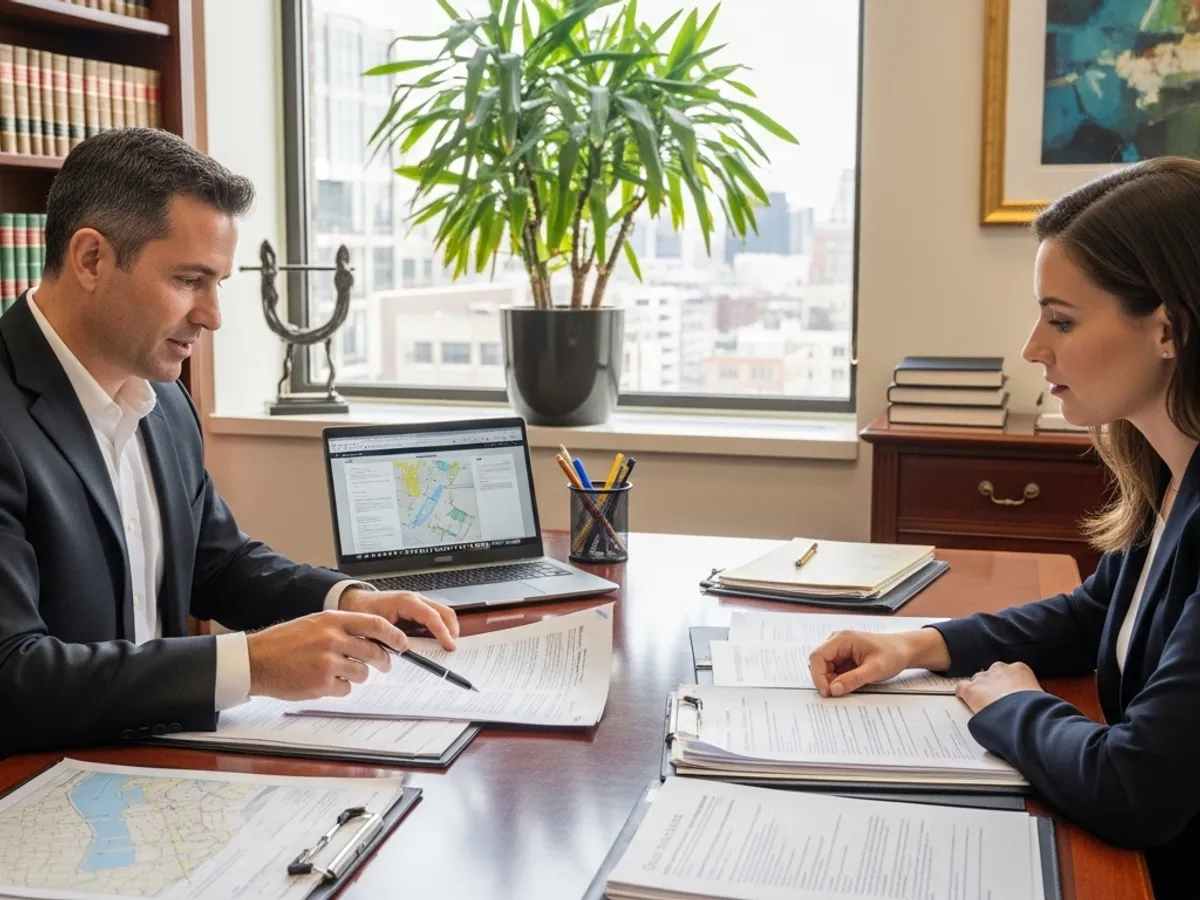
Property law encompasses a wide range of issues, each with its own set of legal complexities. A property lawyer can provide invaluable assistance in navigating these challenges and protecting your rights. This section explores some common property law issues and how a lawyer can help.
4.1. Property Transactions and Real Estate Contracts
Property transactions, such as buying or selling real estate, involve complex legal contracts and procedures. A real estate lawyer can review and draft contracts, conduct due diligence, and ensure that the transaction complies with all applicable laws. They can also help you negotiate favorable terms and protect your interests throughout the process. Legal consultation during property transactions minimizes the risk of disputes and ensures a smooth and legally sound transaction.
4.2. Land Disputes and Boundary Issues
Land disputes and boundary issues often arise between neighbors or property owners. These disputes can involve disagreements over property lines, easements, or encroachments. A property dispute resolution lawyer can help you resolve these issues through negotiation, mediation, or litigation. They can also conduct surveys, review property deeds, and gather evidence to support your claim. Secure your rights with a diligent property lawyer’s strategic approach.
4.3. Title Disputes and Ownership Claims
Title disputes involve conflicting claims to property ownership. These disputes can arise from errors in property records, fraudulent transfers, or inheritance issues. A real estate lawyer can conduct a title search, review property records, and file a quiet title action to establish clear ownership. Resolving title disputes is essential for ensuring that your property rights are protected.
4.4. Zoning and Land Use Regulations
Zoning and land use regulations govern how property can be used and developed. These regulations can impact your ability to build, renovate, or operate a business on your property. A real estate lawyer can advise you on zoning and land use regulations, help you obtain necessary permits and approvals, and represent you in zoning disputes. Compliance with zoning regulations is crucial for avoiding fines, legal action, and restrictions on your property use.
4.5. Landlord-Tenant Disputes
Landlord-tenant disputes can arise in both residential and commercial settings. These disputes can involve issues such as rent, leases, evictions, and property damage. A real estate lawyer can advise you on your rights and obligations as a landlord or tenant, negotiate settlements, and represent you in eviction proceedings or other legal actions. Understanding your rights and obligations is essential for resolving landlord-tenant disputes effectively.
4.6. Easements and Rights of Way
Easements and rights of way grant certain parties the right to use another person’s property for a specific purpose, such as access to a road or utility lines. Disputes can arise over the scope or validity of an easement. A property dispute resolution lawyer can help you negotiate easement agreements, resolve disputes, and protect your property rights. Understanding easement rights is crucial for avoiding conflicts and ensuring that your property can be used as intended.
4.7. Foreclosure and Mortgage Issues
Foreclosure and mortgage issues can arise when property owners fall behind on their mortgage payments. A real estate lawyer can advise you on your options, such as loan modification, refinancing, or bankruptcy. They can also represent you in foreclosure proceedings and help you negotiate with your lender. Seeking legal advice early can help you avoid foreclosure and protect your property.
4.8. Construction and Development Disputes
Construction and development disputes can involve issues such as contract breaches, construction defects, and payment disputes. A real estate lawyer can help you resolve these disputes through negotiation, mediation, or litigation. They can also advise you on construction law, building codes, and contractor licensing requirements. Protecting your interests during construction and development projects is essential for avoiding costly delays and legal problems.
4.9. Property Damage and Environmental Issues
Property damage and environmental issues can arise from natural disasters, accidents, or pollution. A real estate lawyer can help you pursue claims for property damage, navigate environmental regulations, and seek compensation for losses. They can also advise you on insurance coverage and liability issues. Addressing property damage and environmental issues promptly is crucial for protecting your investment and ensuring that your property is safe and habitable.

5. Resources for Finding a Property Lawyer
Finding the right property lawyer requires access to reliable resources and information. This section provides a list of valuable resources for locating qualified real estate lawyers in your area.
5.1. Online Lawyer Directories
Online lawyer directories are a convenient way to search for property lawyers based on location, practice area, and experience. Some popular lawyer directories include:
- Super Lawyers
- Martindale-Hubbell
- Avvo
- Lawyers.com
- FindLaw
These directories provide detailed profiles, ratings, and reviews of lawyers, helping you make an informed decision.
5.2. State and Local Bar Associations
State and local bar associations are professional organizations that regulate and support lawyers in their respective jurisdictions. They often have referral services that can help you find qualified property lawyers in your area. Contact your state or local bar association for a list of reputable attorneys specializing in real estate law.
5.3. Legal Aid Societies
Legal aid societies provide free or low-cost legal services to individuals and families who cannot afford to hire a lawyer. If you meet certain income requirements, you may be eligible for assistance with your property-related legal issues. Contact your local legal aid society to learn more about their services and eligibility criteria.
5.4. Referral Services
Referral services connect you with lawyers who specialize in your area of need. These services typically screen lawyers to ensure they meet certain qualifications and have a good reputation. Referral services can save you time and effort in your search for a property lawyer.
5.5. Recommendations from Friends and Family
Ask friends, family, and colleagues for recommendations. Personal referrals can be a valuable source of information, as you can learn firsthand about the experiences of others who have worked with a particular lawyer. Be sure to do your own research and due diligence before hiring any lawyer, even if they come highly recommended.
5.6. Online Legal Forums and Communities
Online legal forums and communities can provide valuable information and insights into property law issues. These forums allow you to ask questions, share experiences, and connect with other property owners. However, be sure to verify the accuracy of any information you receive from online sources, and consult with a qualified real estate lawyer before making any legal decisions.
5.7. Law School Clinics
Law school clinics offer free or low-cost legal services to the public, often staffed by law students under the supervision of experienced professors. These clinics can be a good option if you have limited financial resources and need assistance with your property-related legal issues. Contact your local law school to learn more about their clinic programs.
5.8. Government Agencies
Government agencies, such as the Department of Housing and Urban Development (HUD), can provide information and resources related to property law issues. These agencies may also offer assistance with housing discrimination, landlord-tenant disputes, and other property-related matters. Contact the appropriate government agency for information and support.
6. Conclusion: Protecting Your Property Rights with the Right Legal Assistance
Finding a property lawyer is essential for protecting your property rights and navigating the complexities of real estate law. By following the steps outlined in this guide, you can identify your specific needs, research potential lawyers, and make an informed decision about who to hire. Remember to maintain clear communication with your lawyer, provide all necessary information, and actively participate in the legal process. With the right legal assistance, you can safeguard your property interests and achieve the best possible outcome in your case.
Reach out to Advocate today for a consultation. Call or WhatsApp +91-92121-97427 or visit Advocate for strong representation before India’s highest courts.
## FAQs About Finding a Property Lawyer
### What type of lawyer handles property disputes?
A real estate lawyer specializing in property dispute resolution handles property disputes, assisting with issues like boundary disagreements, title claims, and contract breaches. These attorneys provide legal advice for property issues and represent clients in negotiations, mediations, or litigation to protect their property rights.
### How can a real estate lawyer help with property transactions?
A real estate lawyer assists with property transactions by reviewing and drafting contracts, conducting due diligence, and ensuring compliance with applicable laws. They provide legal consultation to negotiate favorable terms, minimize risks, and facilitate a smooth and legally sound transaction for buyers and sellers.
### What should I ask during an initial consultation with a property lawyer?
During an initial consultation, ask about the lawyer’s experience in real estate law, their approach to property dispute resolution, their fee structure, and their experience with similar cases. It’s also important to evaluate their communication style and compatibility to ensure a comfortable and productive working relationship. Navigating the high court effectively requires high court legal representation.
### How do I check if a lawyer has a clean record?
To check if a lawyer has a clean record, contact your state’s bar association to inquire about any disciplinary actions or complaints filed against them. A clean record indicates a history of ethical conduct and professionalism, providing assurance that you’re working with a trustworthy attorney.
### What resources can I use to find a qualified property lawyer?
You can find a qualified property lawyer through online directories like Super Lawyers and Martindale-Hubbell, state and local bar associations, legal aid societies, and recommendations from friends and family. These resources provide detailed profiles, ratings, and referral services to help you make an informed decision.