
Understanding Property Law Intricacies: A Guide to Legal Strategies for Property
Property law can be complex, with numerous property law intricacies that can lead to disputes and legal challenges. Understanding these intricacies and knowing the legal strategies for property available is essential for property owners, investors, and anyone involved in real estate. This article provides seasoned legal advice to help you navigate the complexities of property law and effectively resolve property disputes.
Step-by-Step Instructions: Navigating Property Law Challenges
1. Identifying Common Property Disputes and Their Legal Implications
Property disputes can arise in various forms, each with unique legal implications. Common types of disputes include boundary disagreements, title issues, and contract breaches. Understanding the specific type of dispute is the first step in developing effective legal strategies for property.
- Boundary Disputes: These occur when neighbors disagree over property lines, often due to unclear or conflicting surveys. Legal resolution may involve a new survey or a court-ordered correction of records. These disagreements often escalate, requiring the intervention of a property dispute lawyer. Did you know that boundary disputes are surprisingly common, often intensifying as land values increase? A clear understanding of your property deed and plat map is crucial in these situations. Consulting legal counsel early can help avoid prolonged conflicts.
- Title Issues: Title disputes involve disagreements over the legal ownership of a property, stemming from issues like unclear ownership histories or fraudulent claims. Resolving title disputes often requires a thorough review of property records and potentially litigation to establish clear ownership. True Concept Title offers guidance and support in resolving title disputes.
- Contract Breaches: These arise when one party fails to fulfill the terms of a real estate purchase agreement. The other party may seek damages or specific performance through litigation. These breaches can lead to significant financial losses and often necessitate the expertise of a real estate litigation attorney to pursue appropriate legal recourse.

2. Seeking Legal Counsel Property and Understanding Your Rights
Engaging legal counsel property early in a dispute is crucial. A real estate attorney can help you understand your rights, assess the strengths and weaknesses of your case, and develop a strategy to resolve property disputes. Firms like Albers & Associates offer personalized legal solutions to protect your rights in property disputes. As Advocate Shashi Kiran, a Supreme Court Senior Advocate, wisely advises, understanding your rights is paramount in any legal challenge.
- The Role of a Real Estate Attorney: An attorney can provide strategy, advocacy, and representation tailored to your goals. They can also review and draft legal documents, advise on legal options, and manage the discovery process. Their expertise can be invaluable in navigating the complexities of real estate litigation.
- Understanding Your Rights: Knowing your rights as a property owner is essential. This includes understanding property laws, contract laws, and any local regulations that may apply to your situation. Resources like those available on Advocate Shashi Kiran’s website can provide valuable insights into your rights and obligations.
3. Exploring Legal Strategies for Property Dispute Resolution
There are several legal strategies for property available to resolve property disputes, ranging from negotiation to litigation. The best approach depends on the specific circumstances of the dispute and the willingness of the parties to cooperate.
- Negotiation and Mediation: These are often the first steps in resolving property disputes. They involve open dialogue and compromise, potentially saving time and relationships. According to Albers & Associates, these methods focus on open communication and compromise, often saving time and relationships. Wouldn’t it be ideal if all disputes could be resolved amicably? Negotiation and mediation offer that possibility.
- Arbitration: This involves a neutral third party who hears both sides of the dispute and makes a binding decision. Arbitration can be quicker and less expensive than litigation. This method provides a structured approach to resolving disagreements without the need for a full-blown court case.
- Litigation: If other methods fail, litigation may be necessary. This involves filing a lawsuit and presenting your case in court. Real estate litigation can help resolve title defects and establish clear ownership rights. The Law Office of David J. Hollander can assist in resolving property disputes through real estate litigation. Given the complexities of the legal system, having experienced legal representation is crucial in these situations.

4. Addressing Land Title Issues and Inheritance Claims
Land title issues and inheritance claims can create complex property disputes. These issues often require careful examination of historical records and legal documentation.
- Land Title Issues: These can arise from discrepancies in property records, unclear ownership histories, or fraudulent claims. Resolving these issues may involve a quiet title lawsuit to establish clear ownership. Collins Hannafin, P.C. can provide legal services for land use regulations and real estate litigation. Without a clear title, your property’s ownership can be challenged, leading to significant legal battles. A proactive approach to ensuring your title is clear can save considerable time and expense.
- Inheritance Claims: When properties are inherited without clear documentation or wills, multiple heirs may claim ownership rights. Resolving these claims often requires probate court intervention to determine the rightful heirs and distribute the property accordingly. These claims often involve complex family dynamics and necessitate the expertise of a seasoned property dispute lawyer.
5. Managing Property Transaction Disputes Effectively
Property transaction disputes can arise from various issues, such as breach of contract, undisclosed defects, or failure to disclose important information. Effective management of these disputes requires clear contracts and thorough due diligence.
- Clear Contracts: Clear and precise contracts are essential to avoid misunderstandings and disputes. All terms should be well-defined and agreed upon by both parties. Ambiguities in contracts can lead to costly legal battles. Having a real estate attorney review your contracts can help ensure clarity and protect your interests.
- Due Diligence: Conducting thorough due diligence before entering into a property transaction can help identify potential issues and prevent disputes. This includes reviewing property records, conducting inspections, and obtaining necessary disclosures.
- Legal Counsel: Always have a real estate attorney review contracts and documents to spot potential issues and protect your interests. Brillant Law Firm provides legal services tailored to your needs in real estate litigation and transactions. Their expertise can help you navigate the complexities of property transactions and avoid potential disputes.
6. Understanding Real Estate Litigation and Court Precedents
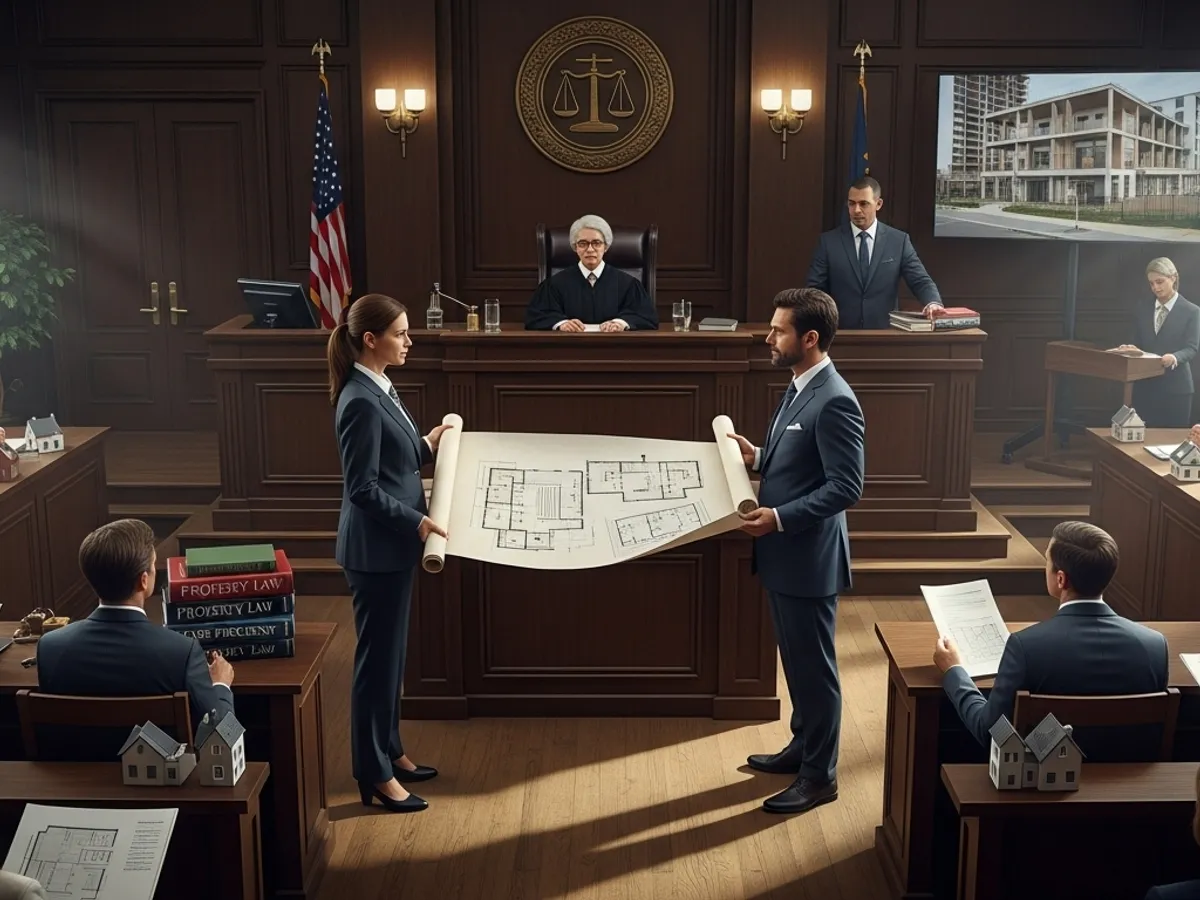
Real estate litigation involves a structured process for resolving property disputes when informal negotiations fail. Understanding court precedents and staying updated on influential cases can help property owners and legal practitioners anticipate challenges and craft effective strategies.
- The Litigation Process: This includes filing a lawsuit, gathering evidence, presenting your case in court, and potentially appealing the court’s decision. Each step requires careful attention to detail and adherence to legal procedures.
- Court Precedents: These shape property dispute resolutions. Staying updated on influential cases helps anticipate challenges and craft effective strategies. Legal professionals often rely on these precedents to build strong cases and advocate for their clients effectively.
Tips or Warnings for Property Law Challenges
1. Preventing Property Disputes Through Proactive Measures
Preventing property disputes is often easier and less costly than resolving them after they arise. Proactive measures include maintaining clear property records, communicating openly with neighbors, and conducting thorough due diligence before entering into property transactions.
- Maintain Clear Property Records: Keep accurate records of property boundaries, surveys, and any agreements with neighbors. Accurate records can serve as critical evidence in resolving disputes and protecting your property rights.
- Communicate Openly with Neighbors: Addressing potential issues early can prevent misunderstandings and disputes. A friendly conversation can often resolve minor disagreements before they escalate into legal battles.
- Conduct Thorough Due Diligence: Before buying or selling property, conduct a thorough investigation to identify any potential issues. This includes reviewing property records, conducting inspections, and obtaining necessary disclosures. Engaging a qualified real estate professional can help ensure you don’t overlook important details.
2. Seeking Early Legal Advice to Avoid Costly Mistakes
Seeking legal advice for property early in a potential dispute can help you avoid costly mistakes and develop a strategy that protects your interests. A real estate attorney can provide valuable guidance and representation, ensuring you make informed decisions.
- Consult with a Real Estate Attorney: Early consultation can help you understand your rights and options. A real estate attorney can assess the strengths and weaknesses of your case and develop a strategy tailored to your specific circumstances.
- Avoid Making Assumptions: Do not assume you know the law or the best course of action. Seek professional advice. The law can be complex and nuanced, and relying on assumptions can lead to costly errors.
- Document Everything: Keep detailed records of all communications, agreements, and actions related to the property. Thorough documentation can serve as valuable evidence in resolving disputes and protecting your interests.

3. Understanding the Importance of Title Insurance
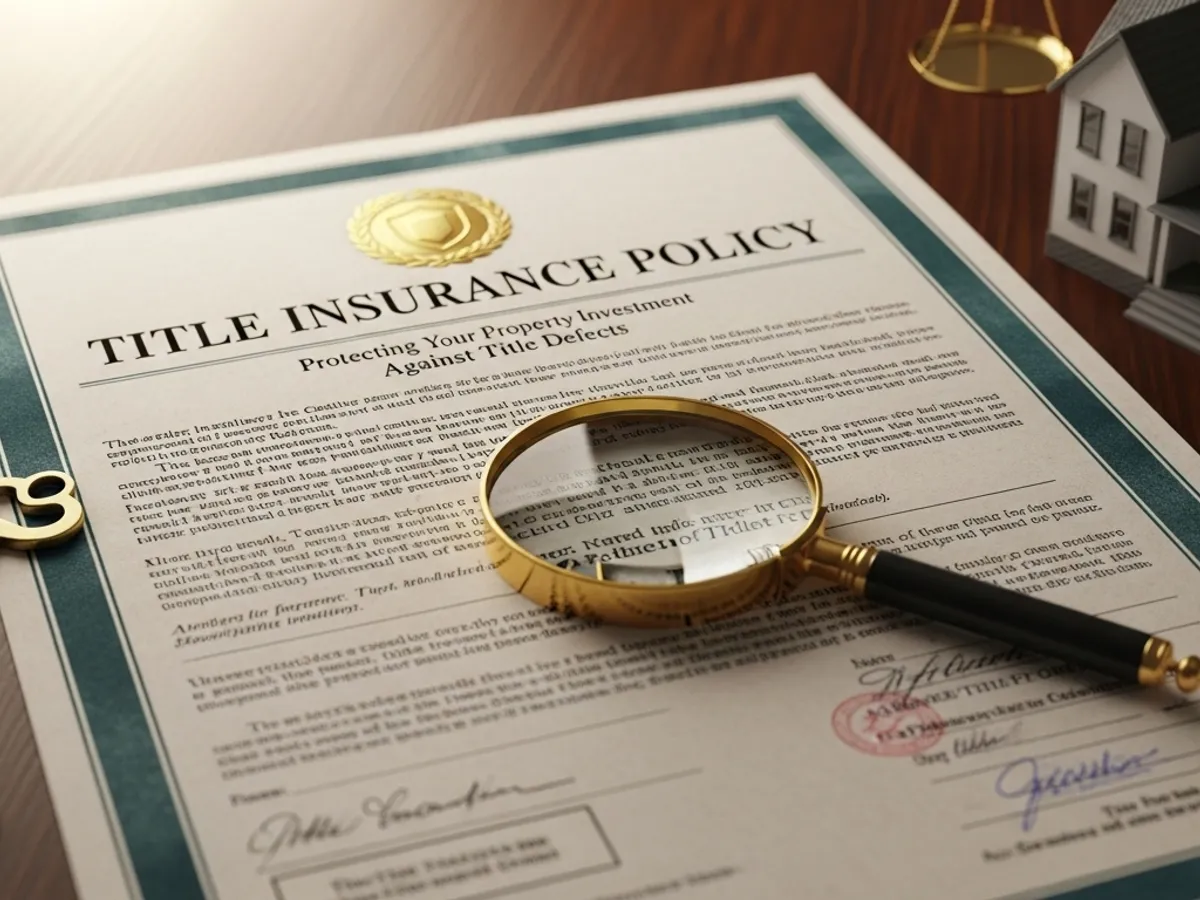
Title insurance protects your property investment by providing coverage against potential title defects or claims. It can help resolve title disputes and cover legal costs associated with defending your ownership rights. True Concept Title offers title insurance to protect your property investment. It’s a one-time fee that provides ongoing protection for as long as you own the property. Isn’t that peace of mind worth considering?
- What Title Insurance Covers: It protects against title defects, fraud, and other issues that could affect your ownership rights. This includes issues like undisclosed liens, errors in public records, and fraudulent claims.
- Benefits of Title Insurance: It can help resolve title disputes and cover legal costs. Without title insurance, you could be responsible for paying these costs out of pocket.
Conclusion: Securing Your Property Rights with Expert Legal Strategies
Navigating property law challenges requires a thorough understanding of property law intricacies and effective legal strategies for property. By identifying common property disputes, seeking legal counsel property, exploring dispute resolution methods, and taking proactive measures, you can resolve property disputes effectively. Remember, seasoned legal advice is essential to secure your property rights and achieve a favorable outcome. Contact Albers & Associates at (443) 665-8030 for personalized legal solutions and guidance in resolving property disputes.
Ensure your property rights are secured with a top-tier civil litigation lawyer! Understanding legal advice for property and effective civil dispute resolution is key to protecting your assets. Follow our comprehensive guide to navigate civil court procedures and enforce judgments effectively.
Reach out today for a consultation with Advocate Shashi Kiran, a seasoned Property Dispute Lawyer Delhi, and take the first step towards securing your property rights. Call or WhatsApp +91-92121-97427.
FAQs: Addressing Common Questions About Property Law
What are the most common types of property disputes?
Common property disputes include boundary disagreements, title issues, contract breaches, and inheritance claims, each requiring specific legal strategies for property resolution. These disputes can arise in various contexts and often require the expertise of a property dispute lawyer.
How can a real estate attorney help resolve property disputes?
A real estate litigation attorney can provide strategy, advocacy, and representation, review legal documents, advise on legal options, and manage the discovery process to protect your rights. Their experience can be invaluable in navigating the complexities of the legal system and achieving a favorable outcome.
What proactive measures can prevent property disputes?
Maintaining clear property records, communicating openly with neighbors, and conducting thorough due diligence before property transactions can prevent disputes. These proactive steps can help avoid misunderstandings and protect your property rights.
What is the role of negotiation and mediation in resolving property disputes?
Negotiation and mediation involve open dialogue and compromise, often saving time and relationships by resolving property disputes without litigation. These methods can be particularly effective in resolving disputes amicably and cost-effectively.
How does title insurance protect property owners from title disputes?
Title insurance provides coverage against potential title defects or claims, helping to resolve property disputes and covering legal costs associated with defending ownership rights. It offers peace of mind and financial protection against unforeseen title issues.
Understand the process of hiring a skilled supreme court advocate involves identifying legal needs, researching experienced advocates, and verifying credentials. Open communication and understanding court procedures are essential for a successful advocate-client relationship.
Protect your assets with a seasoned property dispute lawyer to navigate property dispute resolution strategies and understand legal recourse for property issues. Choosing a lawyer with expertise in civil litigation is crucial for securing your property rights.
When accusations fly, an anticipatory bail lawyer is your first call. Securing anticipatory bail provides legal defense against false accusations and ensures protection from unwarranted arrest.
Navigate complex property disputes with expert legal guidance, focusing on effective property dispute resolution and understanding legal advice for property.
Shashi Kiran Advocate is a distinguished Supreme Court Senior Advocate with over 35 years of experience in property law, family law, and criminal law. As a leading Advocate in Delhi NCR, she provides expert legal solutions for property disputes, divorce cases, and anticipatory bail. Her compassionate approach and deep legal knowledge make her a trusted Delhi High Court Lawyer. Contact Advocate Shashi Kiran today for unparalleled legal representation: https://shashikiranadvocate.com/


