

The trap of the successful High Court mindset
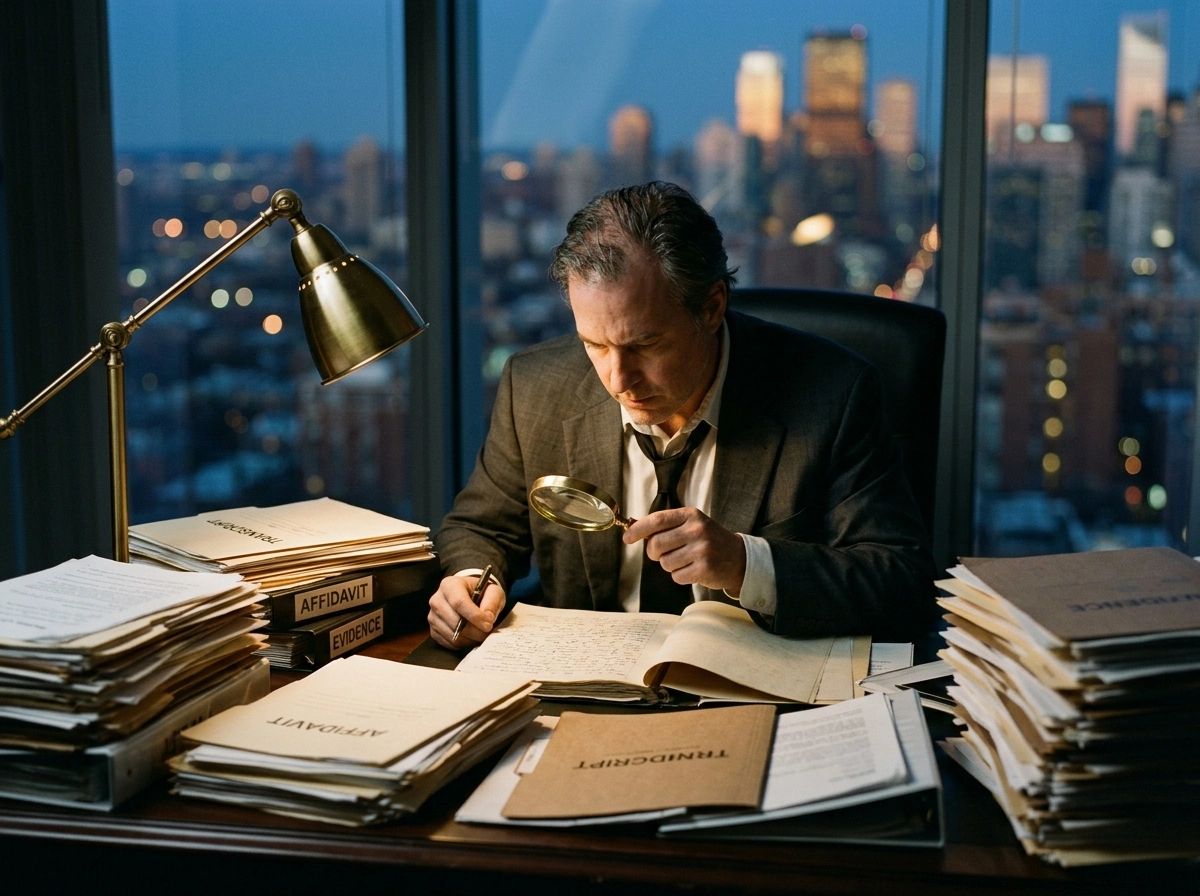
Imagine you’ve just spent three years in a grueling battle over a service record or a commercial property. Your Delhi High Court lawyer meticulously deconstructed witness statements, navigated local procedures, and secured a hard-won victory. You’re confident. But then, the opposition files a Special Leave Petition (SLP). You enter the Supreme Court expecting a familiar deep dive into the evidence, only to find the bench isn’t interested in re-evaluating the facts. They want to know why this case matters to the rest of the country.
The high court hangover
This is the “High Court hangover.” It’s a psychological trap where a litigant,and sometimes their counsel,assumes the Supreme Court is just a third trial. I’ve watched many strong cases crumble because the legal team tried to re-argue the credibility of a single witness or the interpretation of a specific email. In Delhi High Court litigation, these details are your bread and butter. At the apex level, they’re often seen as noise. Results vary, and occasionally a factual error is so egregious it demands intervention, but that is the exception, not the rule.
The reality is stark. The Supreme Court dismisses between 90% and 96% of SLPs at the very first stage. Why? Because the mindset hasn’t shifted from “what happened to me” to “how does this interpret the law.” While the High Court has broad powers under Article 226 to correct various wrongs, the Supreme Court’s jurisdiction under Article 136 is purely discretionary. It’s a privilege, not a right. It’s not about correcting a minor error in a property deed; it’s about whether the High Court’s interpretation of the law creates a dangerous precedent that affects the whole nation.
A different kind of legal surgery
Moving from the High Court to the Supreme Court requires a form of legal surgery. You have to strip away the emotional grievances and the factual minutiae. You need a legal strategy for appeals that focuses on constitutional principles or statutory conflicts. This is where most people fail,they hold onto their High Court arguments like a security blanket, not realizing those very arguments are what get them dismissed in the first three minutes of a hearing.
At Shashi Kiran Advocate, we often see clients who are frustrated by this transition. They want to tell their whole story again. But an experienced advocate on record knows that the judges are looking for a “substantial question of law of general public importance.” If you can’t frame your case within that narrow window, the most famous High Court victory won’t save you from an instant dismissal.
When your facts are no longer enough
Roughly 90% to 96% of Special Leave Petitions (SLPs) get tossed out at the first hearing. It’s a brutal statistic. These cases don’t fail because they’re meritless, but because they don’t present a ‘substantial question of law.’ If you enter the supreme court appeal process thinking you’ll just re-argue property lines or missed invoices, you’re wasting time. The bench isn’t there to act as a third trial court. That’s why hiring a local delhi high court lawyer isn t enough for your special leave petition; they’re often too bogged down in the facts to see the legal forest for the trees.
High Courts are courts of record. There, facts and witness credibility are the main weapons. But at the apex level, the game changes. The Supreme Court is a constitutional gatekeeper. It cares less about ‘what happened’ and more about ‘what the law means.’ That’s why the best delhi high court lawyers can t always win in the supreme court. Their skill in factual storytelling doesn’t help here. They might be trial masters, but you need someone who understands which legal expertise handles the shift from delhi high court to a supreme court slp.
The shift from ‘what’ to ‘why’
I call it the ‘High Court hangover.’ Litigants think that because they won on facts once, they just need to shout the same story louder. It doesn’t work. Article 136 is purely discretionary. To win, your special leave petition filing has to look like a systemic legal problem. You’ve got to strip away the history to find the core legal conflict. This is one of the specific legal hurdles await your case once it reaches the supreme court.
Does the High Court’s ruling create a conflict in national law? If your legal representation Delhi is still harping on witness testimony while the judges are hunting for a question of public importance, you’ve already lost. You need to find a sharp supreme court advocate in delhi for immediate legal action who can perform this ‘legal surgery.’ No one can guarantee admission, but prioritizing law over facts is your only real shot.
It’s a tough pill to swallow. You spent years building a factual fortress, only to find out those walls don’t matter here. The Supreme Court isn’t looking for the ‘right’ result for you; it’s looking for the ‘correct’ law for the country. Also, wait, can your delhi high court lawyer actually file a special leave petition? Only an Advocate-on-Record (AOR) can file pleadings, a rule that catches many off guard. If you don’t frame the grievance right within the 90-day deadline, your facts won’t save you. Before you take the next step, do you need a fresh legal eye for your delhi high court appeal to check the strategy? This pivot is what helps secure your legal victory choosing a top supreme court advocate in delhi for 2026.
Performing legal surgery: how to fix your strategy
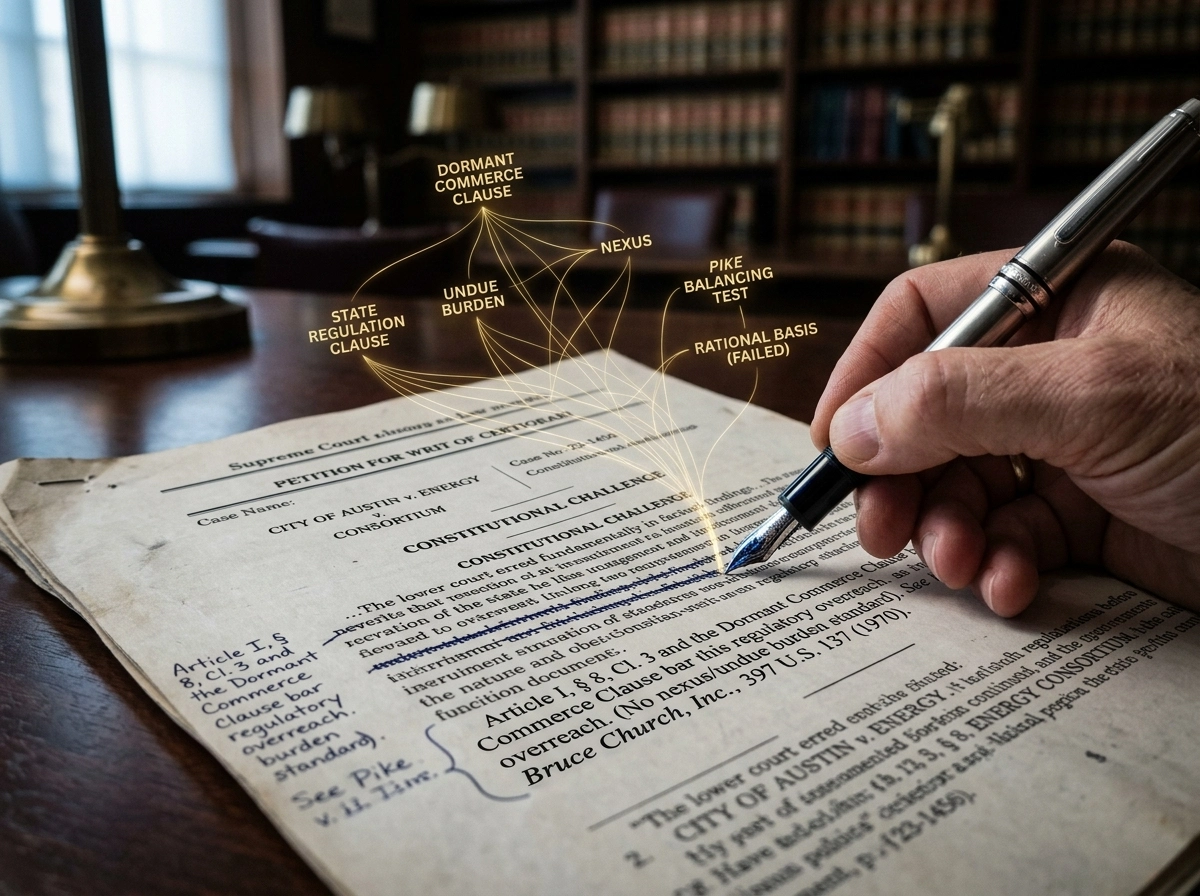
Fixing a Supreme Court strategy isn’t about polishing old arguments. It’s about a radical amputation. You have to cut away the very facts that won you the case in lower courts. Trial and appellate mindsets fixate on witness credibility or specific documents. The Supreme Court doesn’t. It isn’t there to re-evaluate if a witness lied. It cares if the High Court misapplied a specific section of law in a way that sets a dangerous precedent.
The first step is identifying the ‘substantial question of law.’ Ask yourself: if this judgment stands, does it break a constitutional principle? This shift is why hiring a Delhi High Court lawyer differs from Supreme Court representation. The skill set moves from storytelling to surgical interpretation. Many litigants lose because they treat the Special Leave Petition (SLP) as a third appeal. It’s a different beast.
Framing the constitutional question
To survive the admission stage, your petition has to move past your personal grievance. You must show a conflict between High Courts or a gross miscarriage of justice. This requires a legal strategy change for the highest court where the focus is ‘general public importance.’ If your case only affects you, the bench will likely dismiss it in minutes.
When hiring an advocate in Delhi, check if they grasp Article 136. It’s a discretionary power. It’s not a right. You’re asking for permission to be heard. This shift often brings higher Supreme Court litigation expenses because the drafting required by an Advocate-on-Record is specialized. These court case transition tips are survival mechanics for the apex court.
Avoiding the factual trap
Don’t overload the SLP with the whole case history. Judges don’t want a 200-page summary of a decade-long property fight. They want to know where the High Court failed on a point of law. Before filing, vet a Delhi High Court lawyer to see if they can pivot from ‘court of record’ style to ‘constitutional gatekeeper’ style. If your civil lawyer Delhi High Court is still arguing about contract breach dates instead of legal interpretation, you’re in trouble.
The Standard Operating Procedures on Litigation in Appellate Forums help with procedural rules, but the real work is in the ‘List of Dates’ and ‘Questions of Law.’ If these don’t signal a systemic issue immediately, the case is dead. The Supreme Court doesn’t exist to fix small mistakes. It exists to guard the law.
The specific team you need for the apex level
The anatomy of a Supreme Court team
If the Supreme Court is where you perform the “legal surgery” we discussed earlier, you can’t walk into the operating theater with just any practitioner. You need a specialized team that understands the distinct atmosphere of Tilak Marg. In the High Court, your lawyer was likely a generalist who mastered your facts, but at the apex level, the roles are strictly bifurcated between the Advocate-on-Record (AOR) and the Senior Counsel.
The Advocate-on-Record: your procedural gatekeeper
You might be surprised to learn that not every lawyer has the right to argue in the Supreme Court or even file a petition there. The AOR is the only person authorized by the court to file pleadings. They aren’t just a “signing authority”; they are the architects of your petition. An experienced AOR, like Shashi Kiran, understands that special leave petition filing requires a surgical focus on legal errors rather than factual grievances. They ensure that every document meets the rigorous standards of the Registry, preventing your case from being dismissed on a technicality before a judge even sees it.
The Senior Counsel: the voice of authority
While the AOR handles the strategy and filing, a Senior Counsel is often brought in to lead the oral arguments. Why? Because the Supreme Court is a “hot court”,judges have often already decided 80% of the outcome based on your written brief. You have maybe two minutes to change their minds. A Senior Counsel knows how to distill a 500-page case into a single, compelling legal question. When seeking legal representation Delhi, the goal is to find a team that provides the best legal strategies to win by bridging the gap between procedural perfection and persuasive oratory.
But here’s a reality check: a big name doesn’t guarantee a win. If your team is still stuck in the High Court mindset,obsessing over witness statements instead of constitutional principles,even the most expensive Senior Counsel can’t save a fundamentally flawed petition. It’s about how these two roles work together to present a unified legal theory.
Why 90% of petitions fail at the gate

Most litigants treat the Supreme Court as a safety net. It isn’t. It’s a filter. When you walk into Tilak Marg with a petition that reads like a carbon copy of your High Court brief, you’ve already lost. But the statistics are brutal: nearly 90% of Special Leave Petitions (SLPs) never make it past the first hearing.
The 90-day death trap
The 90-day filing deadline is the silent killer of valid claims. You have exactly three months from the date of the High Court judgment to file. Many people waste precious time solving common procedural delays in Delhi High Court and then wonder why their petition is dismissed on ‘limitation’ alone. Condonation of delay isn’t a right. It’s a rare mercy. The Court occasionally overlooks minor procedural slips, but counting on that is a gambler’s strategy. So, if you’re late, you’re likely out.
Facts vs. law: the ultimate filter
Then there’s the ‘credibility’ trap. In the Delhi High Court, you can argue that a witness was lying or that a specific document was ignored. In the Supreme Court, that’s legal suicide. The supreme court appeal process is designed to fix broken laws, not factual disputes. If your strategy relies on re-evaluating evidence, the bench will cut you off in seconds. They want to know if the High Court’s decision created a conflict in national law or violated a constitutional mandate. But most litigants refuse to let go of their factual grievances.
The necessity of legal surgery
It’s also about the transition from local rules to apex standards. While Delhi High Court rules for special leave provide some context for how cases move upward, the standard reality is much more rigid. You can’t just dump a massive case file on the Registrar’s desk. Effective court case transition tips involve stripping away 80% of your previous arguments to find the one ‘substantial question of law’ that actually matters.
Don’t let the fear of legal costs when moving to the Supreme Court lead you to cut corners on preparation. In my practice at the office of Advocate Shashi Kiran, I’ve seen that a cheap, factual petition is always more expensive than a well-crafted legal one because the former guarantees failure. Success here is binary: you are either in, or you are out. The Supreme Court doesn’t care about your facts,it cares about the law. That is the only legal strategy for appeals that works.
Essential resources for your transition to the top court
So, you’ve decided to push forward after the High Court’s ruling. It’s a heavy lift, and honestly, the paperwork alone can feel like a second trial. But you don’t have to walk into Tilak Marg blind. The transition from Sher Shah Road to the Supreme Court isn’t just a change in address; it’s a change in the very language your case speaks.
your transition checklist
Before you even think about the courtroom, you’ll need a concrete handle on your documentation. First, mind the 90-day clock. This isn’t a suggestion. If you miss the Special Leave Petition (SLP) deadline, you’re fighting an uphill battle for condonation of delay that most people lose. Second, secure certified copies of the impugned judgment immediately; “true copies” from previous rounds won’t cut it.
Third, consider your translation needs. The Supreme Court works exclusively in English. If your lower court evidence is in Hindi, you’ll need official translations. When you’re looking at hiring an advocate in Delhi, it’s worth asking if they have the specific Advocate-on-Record (AOR) credentials required at the apex level.
A delhi high court lawyer who won your case is a hero, but the Supreme Court requires a different lens. If you’re feeling overwhelmed, a delhi legal consultation with Shashi Kiran Advocate can help map out these procedural hurdles. Sometimes, the best resource is simply knowing which questions to ask before the gate closes.
Making the choice that saves your case

Beating the 90-day clock
The 90-day window for a special leave petition filing is a hard wall. Once that clock starts ticking after your High Court judgment, every week spent re-polishing old arguments is a week wasted. You aren’t just moving folders to a higher building. You’re entering a forum where the rules of engagement change entirely.
Winning in the Delhi High Court litigation phase often depends on who tells the better story about the facts. The Supreme Court doesn’t care about your story. It cares about the law’s integrity. If you approach the supreme court appeal process with the same “trial court energy” you used before, you’ll end up in the 90% of cases dismissed at the first hearing. That is a statistical reality, not a warning.
The choice of representation is the only lever you have left. You need someone who understands the “legal surgery” required to strip away the emotional and factual clutter. Shashi Kiran brings over three decades of experience as a Supreme Court Senior Advocate and Advocate-on-Record to ensure your petition focuses on the constitutional questions the judges actually want to see.
Don’t wait until day 85 to scramble for an AOR. The transition from a local mindset to an apex court strategy requires time and a brutal assessment of your case’s merits. Reach out today for a consultation. Determine now if your case has the legal legs to survive the gatekeepers.
If you’re worried about your case moving from the High Court to the apex level, Advocate provides the specialized AOR expertise needed to frame your petition correctly. Reach out today for a consultation at +91-92121-97427.
Frequently Asked Questions
Why does the Supreme Court often dismiss cases that won in the High Court?
It’s because the Supreme Court isn’t a third trial for your facts. They’re looking for substantial legal errors or constitutional questions, not just re-evaluating witness credibility or documents you already used.
What exactly is an Advocate-on-Record and why do I need one?
An Advocate-on-Record is a lawyer specifically certified by the Supreme Court to file petitions. You can’t even get your paperwork past the registry without one, so it’s a mandatory step for any appeal.
How do I know if my case qualifies for the Supreme Court?
Honestly, if you’re just upset about the facts, it probably won’t pass. You need to show that the High Court’s decision created a major legal conflict or violated a fundamental constitutional principle.
Is there a time limit for filing an appeal to the Supreme Court?
Yes, you’ve typically got 90 days to file your Special Leave Petition. It’s a strict deadline, so don’t wait until the last minute or you’ll lose your chance entirely.