

The fundamental shift from facts to law

Imagine you’ve just walked out of the High Court, and the verdict didn’t go your way. You’re frustrated. Your first instinct is to re-examine the evidence or point out that a witness clearly lied. Don’t. If you walk into the Supreme Court with that same stack of factual grievances, your petition will be dismissed in minutes.
The high court to supreme court transition isn’t just about moving to a larger building in New Delhi. It’s a total brain swap. While the High Court often looks at the facts again, the Supreme Court is an apex body. It doesn’t care if a witness was shifty; it cares if the lower court’s interpretation of a statute was actually broken. This is exactly why the best Delhi High Court lawyers can’t always win in the Supreme Court. The skill sets are different beasts entirely.
Most litigants treat the supreme court appeal process as a ‘second chance’ at a trial. That’s a mistake that can cost you the case. To even get past the gatekeepers, you have to find a ‘substantial question of law.’ This is why hiring a Delhi High Court lawyer differs from Supreme Court representation. The former argues the ‘what,’ while the latter has to master the ‘why.’ You need specialized legal expertise for the High Court to Supreme Court shift to cut through the noise.
You also can’t just have any lawyer file your papers. The system is strict. It mandates an Advocate-on-Record (AOR) to act and plead. If you’re wondering can your Delhi High Court lawyer actually file a Special Leave Petition, the answer is usually no. Only specific Delhi Supreme Court lawyers with the AOR designation can handle filings. That’s why searching for the best Supreme Court lawyer in Delhi usually leads you to these specialized practitioners.
At Shashi Kiran Advocate, we see this friction all the time. This legal representation transition is about moving from broad storytelling to being very precise. It’s a privilege to be heard at this level, so securing a top Supreme Court advocate in Delhi is a must. Many lawyers in Supreme Court Delhi can argue, but few can navigate the procedural rigors of the apex court with decades of experience. Whether it is a property dispute in India or the enforceability of a foreign divorce in India, the focus has to stay on the law.
Why your current strategy might fail in the apex court
The Supreme Court of India dismisses between 80% and 90% of Special Leave Petitions (SLPs) at the very first stage. It’s a brutal cull. Most of the time, this happens because litigants treat the apex court like a third chance to argue facts. It isn’t. The judges aren’t there to re-read witness statements or check if a document was missed; they’re there to interpret the law for the entire country.
The danger of factual reappraisal
If your strategy relies on proving a witness lied, you’ve already lost. High court lawyers delhi are masters of trial dynamics and evidence management. They build the foundation. But the Supreme Court isn’t a ‘court of error’ for facts. It’s a court of law.
I’ve watched cases crumble because petitioners treated the bench like a jury. You need a ‘substantial question of law.’ This means proving the High Court’s reading of a statute was completely broken or that they ignored a constitutional principle. You need a sharp supreme court advocate in delhi who can take thousands of pages of trial records and find the one legal flaw that matters. That’s the difference between a hearing and a dismissal.
Procedural gatekeeping and the AOR role
Procedural traps are everywhere. You can’t just bring your trial team to Tilak Marg and expect to file. Only an Advocate-on-Record (AOR) has the legal authority to file a petition. It’s not just red tape. The AOR is a specialized filter that makes sure the case fits the technical standards the court demands.
Clients frequently assume their Delhi High Court lawyer can do it all. They can argue, sure, but they can’t file. If you don’t get the best lawyer near supreme court delhi involved early, you’ll likely miss the limitation period. The 30-day window for many petitions is tiny. The court doesn’t care if you didn’t know the rules.
Why criminal matters require specialized framing
Criminal cases are even tougher. A top supreme court criminal lawyer delhi knows that claiming ‘innocence’ is a losing move here. You have to show that the legal process itself failed in a way that sets a national precedent. Trial lawyers rarely frame cases this way.
Planning for legal representation in delhi’s supreme court for 2026 requires a shift in mindset. You’re moving from a generalist fight to a precision strike. Using top supreme court lawyers in delhi keeps your case from becoming another dismissal statistic. A dedicated supreme court lawyer delhi knows how the gatekeeping culture works. Ultimately, the best supreme court lawyers know that law wins cases here, not drama.
The specialized upgrade: finding your appellate surgeon
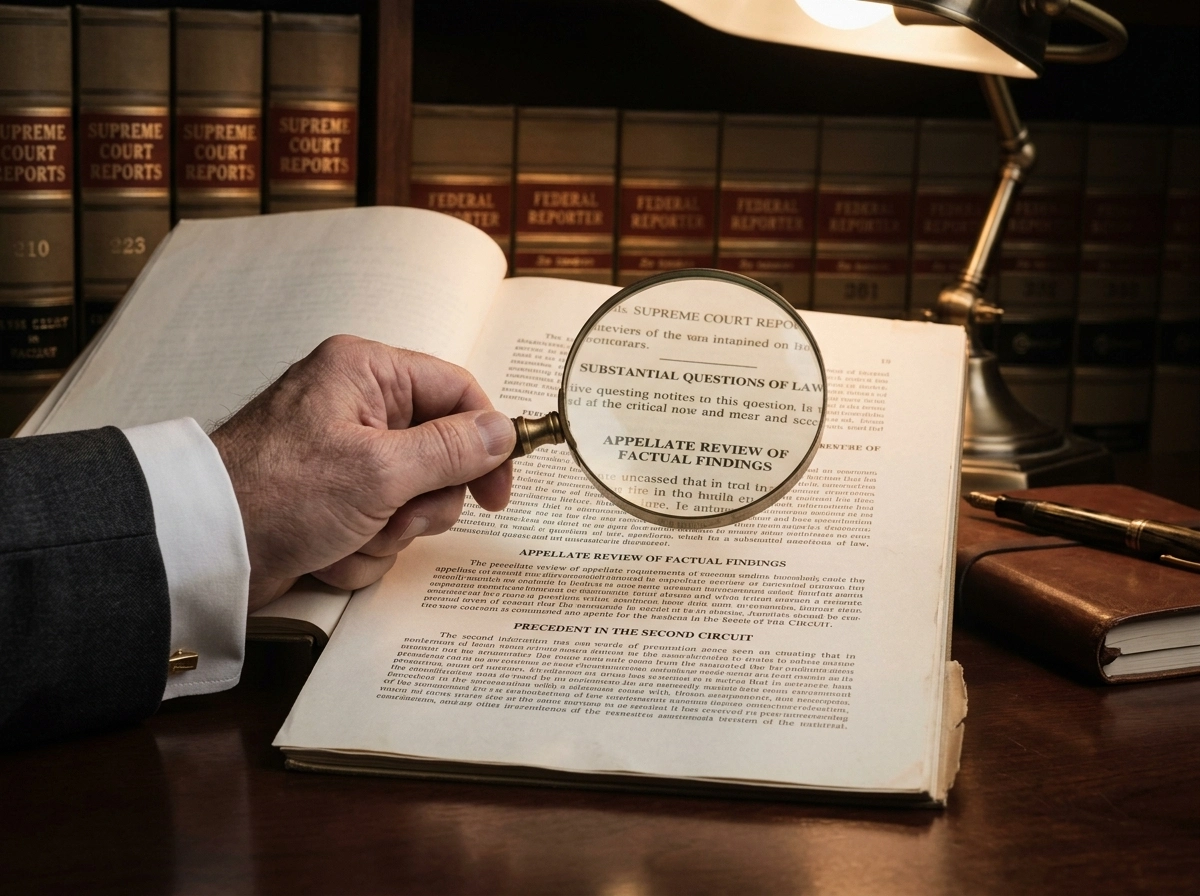
If you’ve spent years in the High Court, you’re likely used to a certain rhythm of litigation,witnesses, evidence, and the granular details of “who did what.” But the Supreme Court is a different beast entirely. It’s an environment where the facts are usually set in stone, and the only thing that matters is the law itself. Think of it as moving from a general practitioner to a specialized surgeon. You wouldn’t want a GP performing a delicate neurosurgical procedure, and you shouldn’t want a trial lawyer handling an appeal where the stakes involve the “law of the land.” This doesn’t mean your previous lawyer was incompetent; it just means the nature of the fight has evolved into something more clinical.
The gatekeeper: why the advocate-on-record matters
In the Supreme Court of India, procedural entry isn’t just about skill; it’s about a specific legal designation. Only an Advocate-on-Record (AOR) has the authority to file a Vakalatnama and act on behalf of a client. This isn’t a mere administrative hurdle. An AOR has passed a rigorous examination and completed specialized training under a senior peer. They are the primary gatekeepers of the court’s time. When you look for the top supreme court lawyers in delhi, you’re looking for someone who understands how to navigate the Registry’s strict requirements. If your filing has even a minor defect, it could lead to a summary dismissal before a judge even sees the merits of your case. And honestly, the Registry is often more demanding than the bench itself.
Distilling the narrative into law
The biggest mistake I see litigants make is trying to re-argue their entire case from scratch. The Supreme Court isn’t interested in a second opinion on the facts. It wants to know if there is a “substantial question of law” or a constitutional error that needs fixing. This requires a radical shift in strategy. You need a specialist who can strip away the emotional layers of the dispute and present a clinical legal argument. For instance, in sensitive appeals, criminal lawyers in delhi supreme court often have to pivot from questioning witness credibility to arguing about the misapplication of a specific statute or a violation of fundamental rights. It’s about precision, not volume. The evidence is often mixed on which approach works best for every case, but narrowing the focus is generally the winning play.
Finding the right fit for your transition
Transitioning effectively means choosing an advocate who balances technical mastery with an understanding of your specific sector. Whether it’s a property dispute or a complex service matter, the “appellate finesse” required is the same. The clock is also a factor. The 30-day window for Special Leave Petitions (SLPs) is unforgiving. Waiting too long to find a specialist often results in rushed filings that lack the depth needed to survive the admission stage. At Shashi Kiran Advocate, we focus on providing that specialized upgrade, ensuring your case is framed with the authority the Apex Court demands. Reach out today for a consultation if you’re ready to take your matter to the final level. You can also call or WhatsApp +91-92121-97427 to discuss your specific High Court order and the potential for an appeal.
Mistakes that kill a Special Leave Petition before it’s heard

The trap of the factual re-run
Imagine you’ve spent years litigating in the High Court. You finally receive a judgment that feels unjust, and your first instinct is to tell the Supreme Court everything the lower court missed. You want to talk about that one witness who lied or the document the judge ignored. This is the exact moment most Special Leave Petitions (SLPs) die.
I’ve seen countless litigants treat the Supreme Court as a third-tier trial court where they can simply re-argue the facts of the case. It isn’t. If your petition reads like a factual grievance, the bench will likely dismiss it within the first sixty seconds. The apex court is looking for a “substantial question of law” or a constitutional inconsistency, not a chance to double-check a High Court’s homework.
The lethal nature of the limitation clock
Time is the most unforgiving factor in Supreme Court practice. While you might be used to the somewhat flexible timelines of high court lawyers delhi, the Supreme Court’s limitation periods are a hard wall. Generally, you have 90 days from the date of the judgment to file an SLP, but if a certificate of fitness is refused, that window shrinks to 60 days.
Waiting until the 89th day to find an Advocate-on-Record is a recipe for disaster. A rushed filing leads to “defects” in the registry,missing annexures, improper translations, or incorrect court fees. While the registry sometimes allows a few days to cure these defects, a petition filed significantly past the limitation period requires a “Condonation of Delay” application. Unless you have a truly exceptional reason, the court rarely entertains these.
Procedural death by a thousand cuts
Many people underestimate the legal representation transition required when moving up. It’s not just about a different office; it’s about a different language. Lawyers in supreme court delhi must distill thousands of pages of trial records into a concise narrative that highlights the legal error.
Advocate Shashi Kiran often emphasizes that an SLP must be
Investing in the final word of justice
Moving your case to Tilak Marg isn’t about getting a second opinion. It’s a total shift. In the Supreme Court, you aren’t just looking for a better result. You’re fighting for the final word. I tell my clients that this transition isn’t just another bill to pay. It’s a strategic investment in legal accuracy.
People always ask about supreme court advocate on record fees first. That’s a fair concern. But if you only look at the price tag, you’re missing the bigger picture. The real danger is summary dismissal. If your petition doesn’t immediately show the bench a ‘substantial question of law,’ the case is over before it even starts. You’re paying for a specific way of looking at the law—one that cuts through the noise of the trial court to find the constitutional heart of your grievance.
It doesn’t matter if you’re dealing with a property fight, a service matter, or something specific like the HAMA adoption procedure. The Supreme Court wants a level of detail that trial courts usually don’t care about. This is where you see the real gap between a general lawyer and an Advocate-on-Record (AOR). At Shashi Kiran Advocate, we’ve spent 35 years handling these procedural hurdles to make sure cases don’t just get filed, but actually get heard.
If you’re hunting for the best lawyers in delhi supreme court or a top supreme court criminal lawyer delhi, don’t just chase a big name. You need a strategist. You need someone who knows when a case is ready for the apex level and, just as importantly, when it isn’t. Remember, this is a court of law, not a court of facts. You need an advocate who can turn years of court battles into a sharp legal argument that actually gets the bench’s attention.
The window for appeal is tight. The stakes are high. If your High Court journey is over, you need representation that understands the weight of the final word. Call us at +91-92121-97427 to discuss your case.
If you are facing a critical appeal, Advocate provides the specialized representation needed to navigate the Supreme Court. Call or WhatsApp +91-92121-97427 for a consultation.
Frequently Asked Questions
Why can’t my existing High Court lawyer just handle my Supreme Court appeal?
The Supreme Court operates under a unique set of rules that require an Advocate-on-Record (AOR) to file and manage your case. Most High Court lawyers focus on trial dynamics and factual evidence, whereas the apex court demands a laser-focus on constitutional law and legal precedents.
What is the biggest mistake people make when filing a Special Leave Petition?
Honestly, most people try to re-argue the facts of their case. The Supreme Court isn’t a third round of trial; it’s an appellate court that only cares about ‘substantial questions of law.’ If you don’t frame your petition around a legal error rather than a factual grievance, it’ll likely be dismissed in minutes.
How much time do I have to file an appeal after a High Court judgment?
You’re working against a strict clock. Depending on the nature of your case, you typically have a limited window—often 90 days—to file an appeal. It’s best to reach out to a specialist like those at Advocate immediately after the High Court order to avoid missing your chance.
Does the Supreme Court hear every case that is appealed?
Not at all. The Supreme Court acts as a gatekeeper and only admits cases that involve significant legal questions affecting the public or the interpretation of the Constitution. That’s why having an experienced AOR is so important; they know how to craft your petition so it actually gets heard.


