

The price of entry: the mandatory Advocate-on-Record gatekeeper
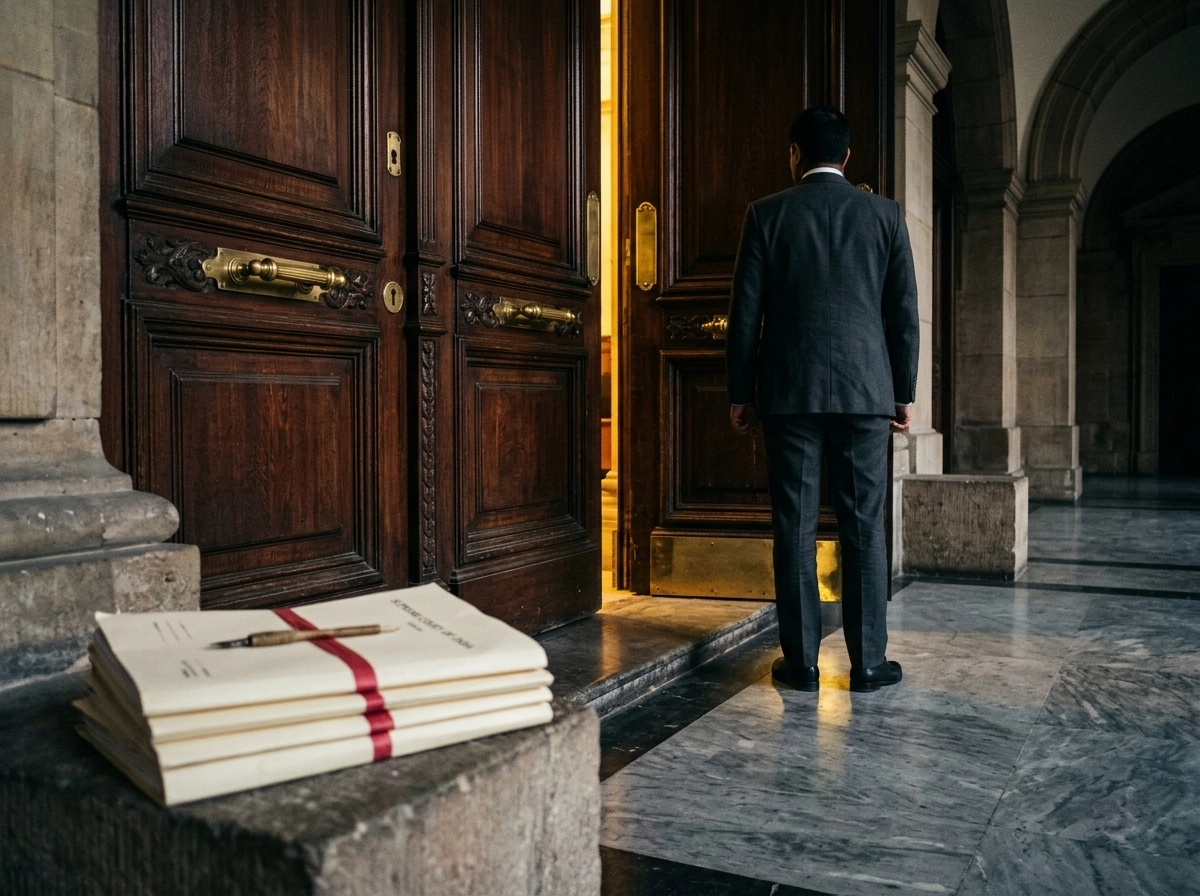
The gatekeeper you didn’t know you needed
You’ve spent eighteen months grinding it out at the Delhi High Court. You finally have a judgment. But as soon as you cross Tilak Marg to the Supreme Court, the ground shifts. You can’t just bring your existing legal team and pick up where you left off. The Supreme Court has a mandatory gatekeeper: the Advocate-on-Record (AOR).
At the Delhi High Court, any qualified lawyer can draft and file your petition. It’s a direct process. The Supreme Court is different. Only an AOR is allowed to file matters there. It isn’t just a fancy title. It’s a qualification earned through a tough exam, and they have to keep an office within 16 km of the court. This requirement is why hiring a Delhi High Court lawyer differs from Supreme Court representation when you look at the procedure and the bill.
This leads to what I call dual-fee friction. You aren’t just paying one person; you’re often paying for two layers of work. The AOR handles the technical filing and the paperwork. But for the actual arguments in court, most people also hire a Senior Advocate. It’s a tough reality that a great Delhi High Court win might still end in a Supreme Court heartbreak if the filing is messy. That two-tier defense adds up.
I’ve seen many clients get blindsided by these advocate on record charges. They expect the cost to go up a little, but it’s actually a structural jump. When you’re hiring a lawyer in Delhi for the apex court, you’re paying for the AOR’s professional fee. They take full responsibility for every document the Judge reads. Getting a dedicated Advocate ensures you’re paying for decades of knowing how the system works, not just a signature on a page.
Breaking down the math: drafting, filing, and the SLP hurdle
Once you move past the AOR’s gatekeeping, the math gets technical. Don’t let the nominal Supreme Court registry fees fool you. You’ll pay about 1,500 for a standard petition, but that’s just the start. The real expense lies in the professional expertise needed to clear the registry’s initial vetting.
Drafting is where Delhi legal costs hit hardest. In the High Court, you’re often still fighting over facts. In the Supreme Court, that’s over. You need a precise focus on substantial questions of law. A mid-tier AOR usually charges between 15,000 and 50,000 for drafting and filing, depending on the case volume. If you want to secure your legal victory by choosing a top supreme court advocate in delhi for 2026, budget for this specialized skill set early.
Then there’s ‘clerkage’—a standard 10% surcharge on professional fees. Add in the cost of certified copies and the massive amount of photocopying required for multiple sets. The Supreme Court still runs on paper. These miscellaneous items can add 5,000 to 10,000 to the bill. If these numbers are a stretch, the Middle Income Group Scheme provides a lower-cost path for eligible litigants.
Most cases fail at the Supreme Court registry hurdles before a judge even sees them. To find a sharp supreme court advocate in delhi for immediate legal action, you need someone who knows which legal expertise handles the shift from delhi high court to a supreme court slp without missing a beat. It’s about framing the law, not just filing papers.
Whether you are finding the right supreme court advocate in delhi for your case or looking for the best advocate in delhi supreme court, the goal is simple. You need to unlock swift justice by hiring a best advocate supreme court delhi or one of the top 10 supreme court advocates delhi. Getting legal representation from a delhi supreme court advocate is essentially an insurance policy for the admission stage.
Q: Why does a 15-minute hearing cost more than my entire High Court trial?
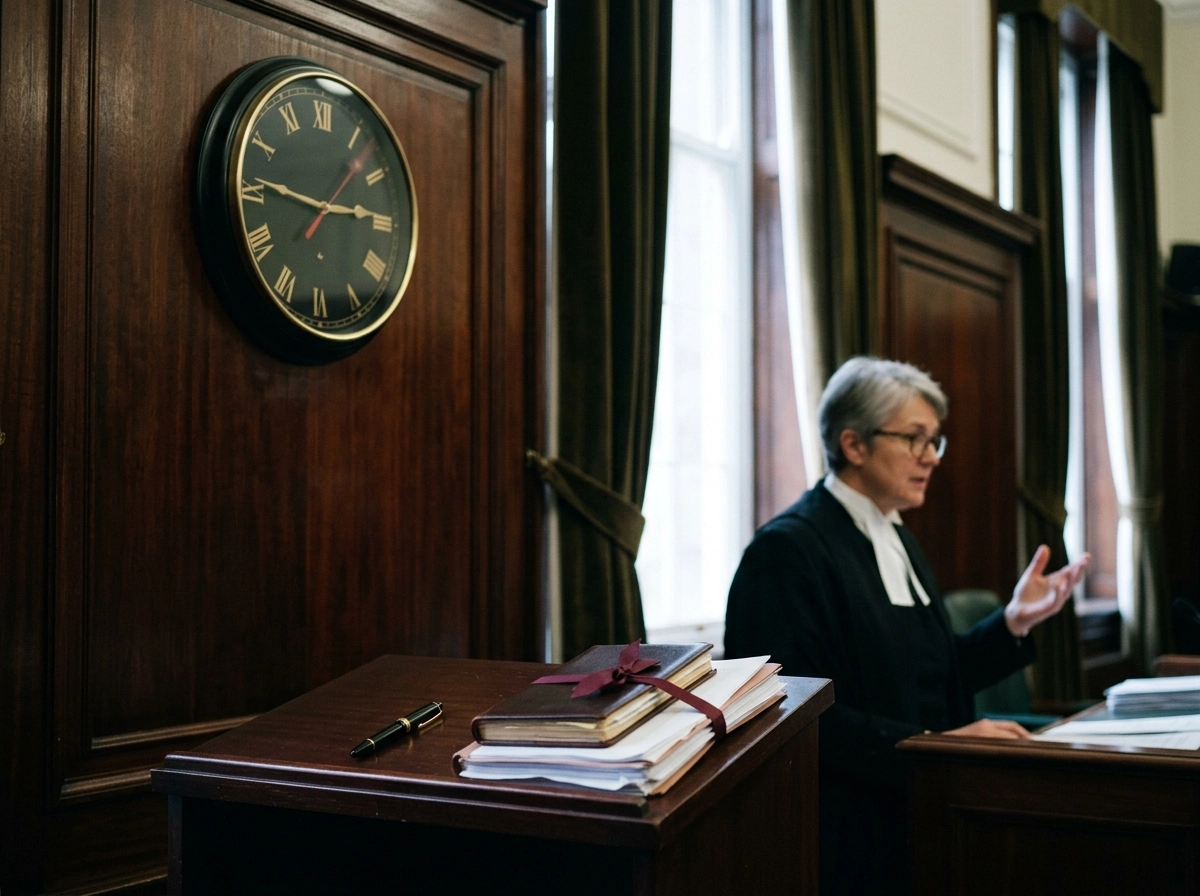
It feels like a clerical error when you see the invoice. You might have spent two years and a few lakhs fighting your case in the Delhi High Court, only to find a Senior Advocate in the Supreme Court charging double that amount for a single Monday morning appearance. It’s a common shock for litigants who expect a linear relationship between time spent and fees charged. In the apex court, you aren’t paying for the clock; you’re paying for the ‘ear of the court’ and a specialized legal fee structure in India that favors brevity over endurance.
The premium of the designated senior
Senior Advocates are a distinct class of lawyers designated by the High Courts or the Supreme Court based on their standing and expertise. By law, they cannot draft petitions or file vakalatnamas; they are strictly oral advocates. This artificial scarcity, combined with their perceived influence, drives senior advocate appearance charges to staggering heights. While a junior lawyer might charge for the entire day, a Senior Advocate often bills by the ‘item’ or appearance. If your case is item number 15 on a busy miscellaneous day, they might only speak for three minutes. You still pay the full fee.
Why fifteen minutes determines everything
Unlike the High Court, where you have a right to be heard, the Supreme Court is discretionary. Most cases are killed at the ‘admission’ stage. If your counsel fails to grab the bench’s attention in those first few minutes, the Supreme Court SLP procedure usually ends in a summary dismissal. This ‘all-or-nothing’ reality is why litigants gravitate toward big names. They hope the judge will pause just a second longer because of who is standing at the podium.
But a famous name isn’t always a magic bullet. I’ve seen cases where a well-prepared delhi high court lawyer who knows the file inside out performs better than a Senior Advocate who just read the brief in the elevator. The key is finding the right balance between procedural accuracy and oral impact. If you are struggling to justify these costs, reach out today for a consultation to understand how to budget for the long road ahead. Sometimes, a seasoned Advocate-on-Record like Shashi Kiran can provide the same strategic depth without the celebrity price tag.
The quiet drain of clerkage and miscellaneous administrative trails
The hidden cost of paper and percentages
Imagine receiving a final invoice after a hard-fought hearing. You’ve budgeted for the Senior Counsel’s appearance, but then you spot a line item for ‘clerkage’ at 10% of the total fee, alongside a printing bill that looks like a clerical error. It isn’t an error. These are the administrative trails that often inflate Delhi legal costs beyond the initial quote.
In the Delhi High Court, you might be used to a certain level of informality with filings. But the Supreme Court is a different beast. Every Special Leave Petition requires ‘paper books’,thick, meticulously organized volumes that include every relevant document from the lower court trial. If your case involves a 400-page trial record, you aren’t just printing it once. You’re paying for multiple sets for the judges, the Registry, and the opposing side. These administrative costs vary depending on the volume of the record, and sometimes, even the most meticulous budget can be pushed by a surprise Registry objection.
Navigating the clerkage tradition
But the real ‘quiet drain’ is the clerkage. It’s an age-old tradition where a percentage,typically 10%,of the professional fee is paid to the advocate’s clerk for the logistical heavy lifting. While Advocate Shashi Kiran prioritizes transparency, many litigants are caught off guard when a five-lakh appearance fee suddenly carries an unmentioned fifty-thousand-rupee clerkage tag. When you’re trying to find the right Supreme Court advocate in Delhi, you must ask if their quote is ‘all-inclusive’ or if these administrative percentages will appear later.
And then there are the certified copies. To move a case upward, you need authenticated records from the High Court. This involves court fees, application charges, and often, small ‘process’ fees to ensure the paperwork actually moves through the basement offices. The reality is that Delhi High Court litigation expenses are just the baseline. By the time you reach the apex court, the sheer volume of paper and the mandatory nature of the AOR system turn these ‘miscellaneous’ items into a significant portion of your budget.
Q: Can I afford the Supreme Court? Options for the middle-income litigant

The Middle Income Group Scheme (MIGS) currently targets litigants with a monthly income not exceeding ₹60,000 (or ₹7.2 lakh per annum). It’s a self-financing initiative designed specifically for those who earn too much for free legal aid but can’t stomach the ₹5 lakh to ₹30 lakh appearance fees charged by private senior counsel. Under this scheme, the professional fees for an Advocate-on-Record (AOR) are capped at fixed rates,often ranging from ₹5,000 to ₹15,000 depending on the nature of the work.
navigating the financial bridge
If you find yourself in this middle-income bracket, don’t assume the doors of the apex court are locked. The supreme court advocate delhi community includes professionals who understand that justice shouldn’t just be for the elite. While the legal fee structure India follows is largely market-driven, MIGS provides a predictable schedule of charges for drafting and filing.
But there’s a catch that most people miss. You must apply through the MIGS Society and provide proof of income. It’s not an automatic right. And while the scheme handles the AOR and junior counsel costs, hiring a specific Senior Advocate outside the panel will immediately push you back into market rates. The evidence here is mixed regarding how quickly these applications are processed, as the administrative backlog can sometimes delay urgent filings.
balancing quality and cost
Choosing the right representation is often about value, not just the lowest price. Many people wonder should your high court counsel also argue your case in the supreme court? but the reality is that the Supreme Court is an entirely different beast. You’re paying for specialized knowledge of constitutional law, not just a repeat of facts.
I’ve personally seen many litigants try to save money by using inexperienced counsel, only to have their Special Leave Petition (SLP) dismissed in three minutes. At that point, any money saved is actually money lost. Shashi Kiran, an experienced advocate in supreme court new delhi, often emphasizes that a well-drafted petition by a seasoned AOR is your best insurance against a quick dismissal. If you’re feeling overwhelmed by the potential costs, reach out today for a consultation.
Transitioning your strategy from storytelling to legal surgery
From facts to “substantial questions of law”
When you move your case to Tilak Marg, the narrative changes completely. In the Delhi High Court, you’re often arguing the “what” and the “who”, specifically the facts of your property dispute or matrimonial discord. But the Supreme Court isn’t a court of error correction for facts. It’s a court of constitutional and legal interpretation.
This shift from storytelling to “legal surgery” is where the financial pressure often spikes. You aren’t just paying for someone to stand in front of a judge; you’re paying for the intellectual heavy lifting required to extract a “substantial question of law” from your files. If your petition just says “the High Court got it wrong,” it’s likely headed for a quick dismissal.
Researching these questions is an intensive process. It involves scanning decades of precedents to find a conflict in how different High Courts have interpreted a specific statute. This level of advocate Supreme Court Delhi expertise is what dictates the higher end of Supreme Court lawyer fees. You’re funding a hunt for a legal needle in a haystack of case law.
I’ve seen many litigants get frustrated when their lawyer refuses to mention certain facts. But that’s the discipline required at this level. The Supreme Court expects those issues to be settled already. Instead, they want to know if a specific section of the law was misapplied in a way that affects the public interest. It’s a different kind of labor, though this doesn’t mean facts are entirely ignored,they just take a backseat to the legal principle.
Navigating the Special Leave Petition process requires a surgeon’s precision. If the drafting doesn’t highlight a systemic legal error, the court won’t even look at the merits of your case. That’s why SLP filing costs often reflect the weeks of research that go into a document that might only be twenty pages long.
So, it’s less about the volume of papers and more about the weight of the legal argument. And that’s why hiring a lawyer in Delhi who understands this distinction is the only way to avoid wasting your time and money.
Final takeaway: budgeting for the highest court in the land

Moving from the Delhi High Court to Tilak Marg is a financial recalibration that catches many off guard. It’s not just about paying a new person; it’s about funding a different type of intellectual labor. In the High Court, your budget likely focused on proving facts or disputing evidence. In the Supreme Court, you’re arguing whether the lower court’s interpretation of those facts violates constitutional principles. This shift drives the Supreme Court lawyer fees significantly higher than what you likely paid for your trial or first appeal.
The legal fee structure India uses at this level is tiered and rigid. You’ve already seen how Delhi High Court litigation expenses center on frequent appearances and factual disputes. When you jump to the highest court, the budget pivots toward the Advocate-on-Record (AOR) and specialized oral advocacy. You aren’t just paying for time. You’re paying for the gatekeeper’s license and the Senior Advocate’s ability to condense a decade of litigation into a ten-minute argument.
Strategy must change too. If you try to re-argue the same facts that failed you in the High Court, you’re throwing money into a void. The Supreme Court expects legal surgery,precise, sharp, and focused on the law. This requires a level of research and drafting that simply doesn’t exist at lower levels. It is the price of seeking finality in the highest forum. But the evidence suggests that litigants who fail to pivot their strategy often face immediate dismissals.
The litigation transition checklist
Before you sign another vakalatnama, verify these four pillars of your budget:
- AOR Professional Fees: Separate the drafting fee from the filing fee. Some charge a lump sum; others bill by the stage.
- Senior Counsel Retainers: If your matter involves a complex question of law, a Senior Advocate’s appearance fee is usually non-negotiable and per-hearing.
- Clerkage and Administrative Overheads: Expect an additional 10% on top of professional fees for the administrative trail.
- Court Fees and Printing: While the actual court fee is low, the cost of preparing paper books adds up.
Don’t let the sticker shock paralyze your legal strategy. High-stakes litigation is an investment in finality. If you’re unsure about the jump, reach out to an experienced professional like Shashi Kiran to understand how your specific case fits into the Supreme Court advocate Delhi fees framework. The goal is to reach the finish line with your resources intact, not just your arguments. Distinguishing between a cost and an investment separates successful litigants from those lost in the system.
If you’re navigating a move from the High Court to the Supreme Court, Advocate helps you manage the transition with clear, professional guidance. Reach out today for a consultation at +91-92121-97427.
Frequently Asked Questions About Supreme Court Legal Fees
Why do I have to pay for two lawyers in the Supreme Court?
The Supreme Court requires an Advocate-on-Record (AOR) to handle all filings and procedural compliance, which is a system not used in the High Court. You’ll often hire a separate Senior Advocate for the actual courtroom arguments, which is why your legal team costs effectively double.
Does the Supreme Court charge more for filing cases than the High Court?
Honestly, the official court fees for filing an SLP are quite nominal, often around ₹1,500. The real costs come from the professional drafting fees and the administrative work required to meet the court’s strict procedural standards.
Is there any way to manage these high costs if I’m not wealthy?
You might look into the Middle Income Group Scheme (MIGS), which helps people who don’t qualify for free legal aid but still need help with the high costs of top-tier litigation. It’s a solid alternative that keeps your case moving without breaking the bank.
Why does a short hearing in the Supreme Court cost so much?
You aren’t just paying for the 15 minutes of speaking time; you’re paying for the hours of legal research and the expertise required to distill complex facts into a ‘substantial question of law.’ Senior Advocates charge based on their decades of experience and the high stakes of the matter.


