

The high stakes of the Supreme Court gatekeeping system
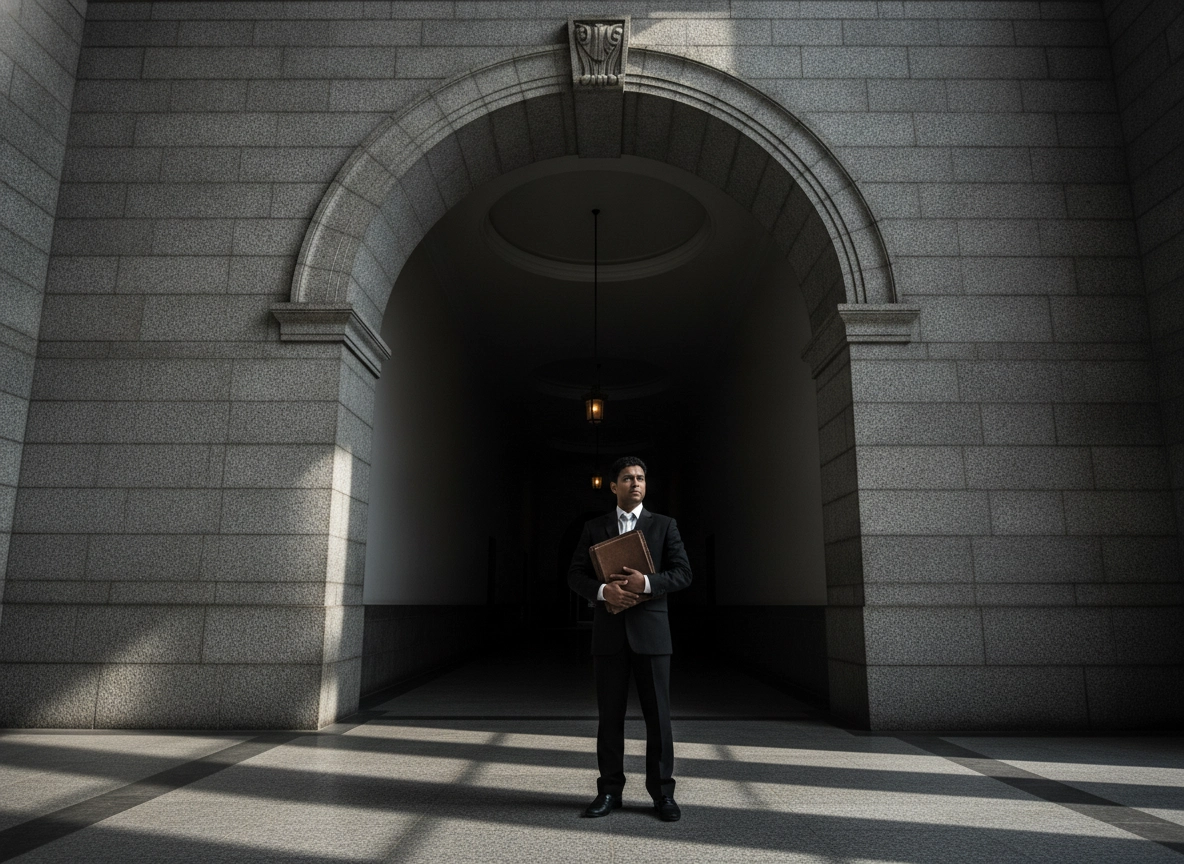
Imagine you’re a litigant in Chennai, suddenly forced to defend a case in Chandigarh. The distance isn’t just a logistical nightmare. It’s a barrier to justice. This is where a Supreme Court transfer petition becomes your only shield. But here’s the kicker: the court doesn’t move cases just because it’s a long flight. You’ve got to prove that a fair trial is genuinely at risk.
the registry as the ultimate filter
When you file under Article 139A or Section 25 of the CPC, your first opponent isn’t the other party,it’s the Supreme Court Registry. I’ve seen countless petitions hit a wall before a judge even sees them. Why? Because the registry acts as a rigorous gatekeeper, checking for everything from pagination to the exact nomenclature of the “Civil” or “Criminal” suffix.
While some registry objections feel pedantic, they’re usually mandatory to cure. The Supreme Court filing rules are designed to ensure that only procedurally perfect documents reach the bench. So, if you miss a minor technicality, you’re looking at weeks of “defective” status. This is why litigation management delhi requires a specialist who knows these corridors.
why technical precision is non-negotiable
The stakes are high because the court is wary of litigants using transfers as a delay tactic. It’s a common trap. People think “mere inconvenience” is enough, but the court has been clear: Transfer of Criminal Cases must Emphasise Fair Trial, not just a difficult commute.
Navigating these Supreme Court registry hurdles is what separates a successful transfer from a dismissed one. You need an Advocate-on-Record who doesn’t just sign the papers but understands the nuances of the registry’s gatekeeping. It’s the difference between getting a stay order and getting a rejection letter.
Why your petition is likely to get stuck in the registry
The Supreme Court Registry isn’t a post office; it’s a gatekeeper. Thinking a Supreme Court transfer petition is just a stack of papers is a mistake. Most filings die in the “Defect List” before a judge even sees them. It’s a technical graveyard where cases rot for months.
The invisible wall of the advocate-on-record mandate
Petitions often stall because of the Advocate-on-Record (AOR) mandate. Under the 2013 Rules, only an AOR can file. I’ve seen clients bring in a brilliant Delhi High Court lawyer who can argue circles around anyone but lacks the standing to sign the petition. That’s a dead end. The AOR must have a registered office near the Court. If a non-AOR tries to handle it, the registry kills the papers on sight. This procedural wall is why hiring a famous Delhi High Court lawyer might not solve your Supreme Court problem. It’s about authority, not just talent. Without the right legal counsel Supreme Court Delhi, you’re stuck.
Miscategorization and the “Civil vs. Criminal” trap
Then there’s the categorization mess. Section 25 of the CPC and Section 406 of the CrPC aren’t interchangeable. Forget the suffix or mislabel the dispute, and you’ve triggered delays in supreme court cases that could’ve been dodged. I remember a matrimonial case where the previous lawyer forgot the “Civil” tag on the cover. The file sat in a corner for three weeks. The registry didn’t call; they just waited. This is where top supreme court lawyers in delhi earn their keep—they spot these legal filing errors before the clerk even opens the folder.
Paperwork defects that trigger rejection
The checklist is brutal. Font size, paper GSM, affidavit phrasing—it all matters. This level of scrutiny is why hiring a Delhi High Court lawyer differs from Supreme Court representation. You need a “vakalatanama” that follows the exact format and a certificate proving you haven’t filed this before. If you’re hunting for the best advocate in delhi supreme court, find someone who knows the Court is its own world. Why the best delhi high court lawyers can’t always win in the supreme court usually boils down to trying to use high court litigation strategy in a forum that demands different rules. Even a math error in court fees for multiple respondents puts you in the “defective” pile. Get a sharp supreme court advocate in delhi early. Your supreme court lawyers delhi should be top supreme court lawyers delhi who actually know how the registry breathes.
Convenience is not a constitutional right for transfer

If you think a Supreme Court transfer petition is just an administrative request to make your life easier, you’re in for a rough ride. I’ve seen countless litigants treat the highest court like a concierge service, assuming that because they live in Delhi and the case is in Chennai, a transfer is guaranteed. It isn’t. The court doesn’t care if your travel is annoying or your schedule is tight.
The legal bar is remarkably high. Under Section 25 of the Code of Civil Procedure (CPC) or Section 406 of the Code of Criminal Procedure (CrPC), you have to prove that a fair trial is impossible or that there’s a genuine safety threat. Mere inconvenience isn’t a constitutional right. If your argument boils down to ‘it’s too far to drive,’ the registry or the bench will likely view it as a delay tactic. This is a major reason for delays in supreme court cases,filing a petition that lacks a substantive legal foundation.
why the court rejects mini-grievances
The Supreme Court is a constitutional watchdog, not a logistical coordinator. When we transition from a delhi high court to supreme court appeal procedure, the strategy must pivot from facts to the core principles of justice. You must demonstrate that the current venue poses an insurmountable logistical hardship or a risk to judicial integrity.
In matrimonial disputes, a wife’s residence is often a strong factor, but it’s not an absolute rule. If the husband can show that the transfer is purely to harass him, the court may refuse. Working with a best supreme court lawyer in delhi is vital here because they know how to draft these grounds without triggering the ‘frivolous filing’ alarm. Some jurisdictions even have specific rules of practice that penalize petitions prosecuted solely for delay.
The reality is that your petition must survive the scrutiny of the Advocate-on-Record (AOR) before it even reaches the bench. An experienced advocate in delhi ncr will tell you plainly if your grounds are too weak. But many people ignore this advice, leading to the high rejection rates we see today. If you can’t prove a threat to your rights, you’re just wasting time.
The Advocate-on-Record: your mandatory procedural specialist
You spend weeks collecting proof of safety threats to back up your transfer petition. You’ve got every instance of harassment in the local court documented and ready. But the moment the file hits the registry, it’s tossed back. Why? Because the person who signed it isn’t an Advocate-on-Record (AOR). In the Supreme Court of India, following the rules is just as important as the legal argument itself. It’s non-negotiable. Under the Supreme Court Rules 2013, only an AOR has the authority to file a petition or appear for a party. This isn’t just red tape. It’s a filter designed to keep the highest court from drowning in technical mistakes. When you’re hiring a supreme court lawyer, you don’t just need a great orator. You need someone who knows the gatekeeping logic of the registry inside out.
The unique mandate of the AOR
Think of the AOR as the court’s official point of contact. By law, they have to keep an office within 16 kilometers of the Supreme Court and they’re personally on the hook for the accuracy of every document filed. This proximity isn’t just some old-fashioned quirk. It’s about accountability. I’ve spent enough time in the corridors of Tilak Marg to see lawyers from other states get crushed by the registry’s ‘defects’ list. It’s painful to watch a client lose their window of opportunity because their representative didn’t know how to navigate this specific jurisdiction. While having an AOR cuts down the risk of rejection, the registry’s interpretation of the rules can still feel pretty subjective.
Why the registry is so pedantic
The best supreme court lawyers in delhi know the registry is unforgiving for a reason. A single missing affidavit or labeling a case ‘Civil’ when it should be ‘Criminal’ can trigger an objection that stalls your hearing for months. As the court pointed out in Rajendra Khare vs. Swaati Nirkhi, while judges fix legal errors, avoiding procedural ones is a matter of professional diligence. When you’re looking at supreme court advocate fees, it’s best to view the AOR as both a strategist and a technician. They don’t just file papers; they curate them to meet the bench’s standards. Without that specialist, even the most compelling request can die in the filing room before a judge ever sees it.
Common filing pitfalls that kill momentum
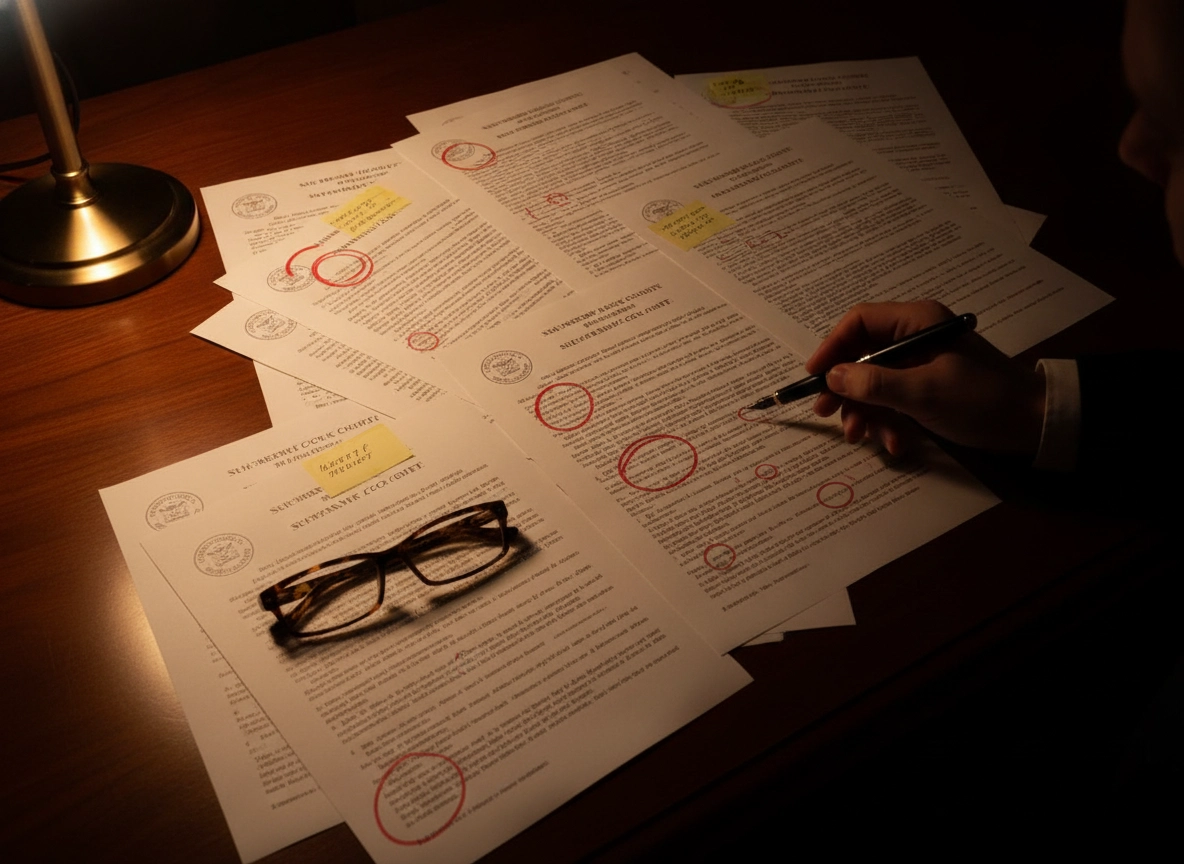
Roughly 40% of transfer petitions face immediate procedural roadblocks that have nothing to do with the legal merits of the case. In my practice, these aren’t just minor speed bumps; they’re momentum killers that can push a hearing back by months or lead to an outright dismissal before a judge even looks at the file. The Supreme Court Registry isn’t just checking boxes. It’s enforcing a standard of precision that many litigants,and even seasoned lawyers from other jurisdictions,often underestimate. The Court’s tolerance for these errors fluctuates depending on the urgency of the matter, but the Registry’s scrutiny is consistently high.
The trap of the eleventh-hour filing
One of the most frequent errors I encounter is the “strategic” delay. Parties often wait until the trial court is about to deliver a significant order or has moved into the final evidence stage before seeking a transfer. But the Court sees through this. If you’ve participated in the trial for two years without complaint, suddenly claiming a safety threat or logistical hardship looks like a desperate attempt to stall. A late filing doesn’t just annoy the Registry; it creates a presumption of bad faith that is incredibly hard to overcome during oral arguments. Judges are far more likely to grant a transfer when the request is made at the earliest possible stage of the litigation.
Misjudging the evidentiary threshold for safety
Claiming a threat to your safety is a high-stakes allegation, but the Court requires more than a vague sense of unease. I’ve seen petitions rejected because the petitioner failed to provide FIRs, police complaints, or documented proof of intimidation. If you are moving for a transfer under Section 406 of the CrPC, working with experienced criminal lawyers in Delhi Supreme Court is a better way to ensure your evidence meets the “reasonable apprehension” standard. Vague claims of “feeling unsafe” without a paper trail usually result in a dismissal with costs. The Court needs to see that the threat is objective and persistent, not just a subjective fear used to justify a change of venue.
The non-AOR involvement bottleneck
It’s a common misconception that any talented litigator can handle the filing process. And while a senior counsel might argue the matter, the actual filing is the exclusive domain of the Advocate-on-Record (AOR). When litigants bypass this by choosing a top Supreme Court advocate in Delhi who doesn’t have a dedicated AOR workflow, the petition often gets bogged down in technical defects. These can range from improper categorization,like forgetting the ‘Civil’ or ‘Criminal’ suffix,to failing to cure registry objections within the narrow 28-day window. These technicalities aren’t suggestions; they’re mandates. Ignoring them is the fastest way to lose your spot on the cause list.
Final verdict: precision over speed in the highest court

The reality is that the Supreme Court of India does not reward haste; it rewards meticulous adherence to procedure. While most litigants are understandably anxious to move their cases forward, rushing the filing process often leads to the very delays they fear. Negotiating Supreme Court registry hurdles is a specialized skill that demands more than just general legal knowledge. It requires a granular understanding of the 2013 Rules that govern every comma and categorization.
When hiring a supreme court lawyer, the focus shouldn’t just be on their courtroom presence but on their status as an Advocate-on-Record. Shashi Kiran’s 35 years of practice demonstrate that success in transfer petitions hinges on the initial paperwork being bulletproof. If the registry finds a single technical flaw, the petition is sent back, and you’re essentially back to square one. It’s frustrating, but the court uses these standards to prevent the system from being overwhelmed by frivolous or poorly prepared filings.
You’ll find that supreme court advocate fees vary significantly based on experience, but the cost of a rejected petition is always higher. Even in international contexts, high courts are increasingly focused on procedural integrity to manage the serious decline in petitions before the court that actually meet strict filing standards.
Don’t let a clerical error define your legal outcome. The goal is to get past the gatekeepers on the first attempt so your case can finally be heard on its merits. For those facing complex jurisdictional shifts, calling or messaging +91-92121-97427 can clarify the most effective path forward.
If you’re struggling with procedural bottlenecks, Advocate provides the specialized AOR expertise needed to clear registry hurdles. Reach out today for a consultation at +91-92121-97427.
Frequently Asked Questions
Can I file a transfer petition without an Advocate-on-Record?
Honestly, no. The Supreme Court Rules strictly require that only an Advocate-on-Record can file these petitions, so attempting it without one usually leads to an immediate rejection.
Why does the registry reject petitions for minor technical errors?
It’s because the Supreme Court operates under very rigid procedural standards. Even a small mistake, like mislabeling a case as civil instead of criminal, triggers a rejection because the registry needs to ensure every document perfectly aligns with constitutional filing requirements.
Is mere inconvenience enough to get a case transferred?
Not at all. The Court doesn’t view ‘inconvenience’ as a valid ground for transfer; you’ll need to prove a genuine threat to a fair trial or a serious safety risk to get the judge’s attention.
How long does the typical filing process take?
If you’ve got your documentation right and an AOR handling the filing, you’ll avoid the common 90-day traps. Most delays happen because people ignore registry objections instead of fixing them immediately.


