Civil litigation can be a labyrinthine process, but with the right civil litigation strategies and effective legal representation, achieving swift and favorable resolutions is possible. This guide provides a comprehensive overview of how to navigate civil cases efficiently, secure justice in civil cases, and leverage the expertise of a civil law expert for winning civil cases.
Understanding Civil Litigation and the Need for Effective Legal Representation
Civil litigation involves resolving disputes between individuals, organizations, or businesses through the court system. Unlike criminal cases, civil cases typically involve conflicts over rights, responsibilities, or compensation. Securing effective legal representation is vital because it ensures your rights are protected and that you have a knowledgeable advocate navigating the complexities of civil court procedures on your behalf. A skilled attorney can provide crucial guidance in areas such as filing a civil suit and understanding settlement agreements.

Step-by-Step Instructions for Achieving Swift Resolutions in Civil Cases
1. Initial Consultation and Case Assessment for Civil Matters
Begin by consulting with a civil law expert to assess the merits of your case. The attorney will evaluate the facts, analyze potential legal claims, and provide an honest assessment of your chances of success. This initial consultation helps in determining the best course of action and setting realistic expectations for winning civil cases. Wil Morris Legal’s Headquarters are located at 2800 Biscayne Blvd., Suite 530 Miami, FL 33137

2. Developing a Strategic Litigation Plan for Civil Litigation Strategies
Once you’ve chosen your lawyer, create a detailed litigation plan. This strategy should outline your objectives, identify key evidence, and define the legal arguments you’ll use. A well-thought-out plan is crucial for winning civil cases. By meticulously planning our response to lawsuits, understanding the intricacies of court rules, and maintaining precise communication, we can defend and defeat claims, minimizing our clients’ risk and litigation exposure.

3. Utilizing Pre-Trial Procedures Effectively in Civil Court Procedures
Effective use of pre-trial procedures, such as discovery, can significantly expedite your case. Discovery involves gathering information from the opposing party through interrogatories, depositions, and requests for documents. A proactive approach to discovery can uncover critical evidence and strengthen your position for settlement agreements or trial.
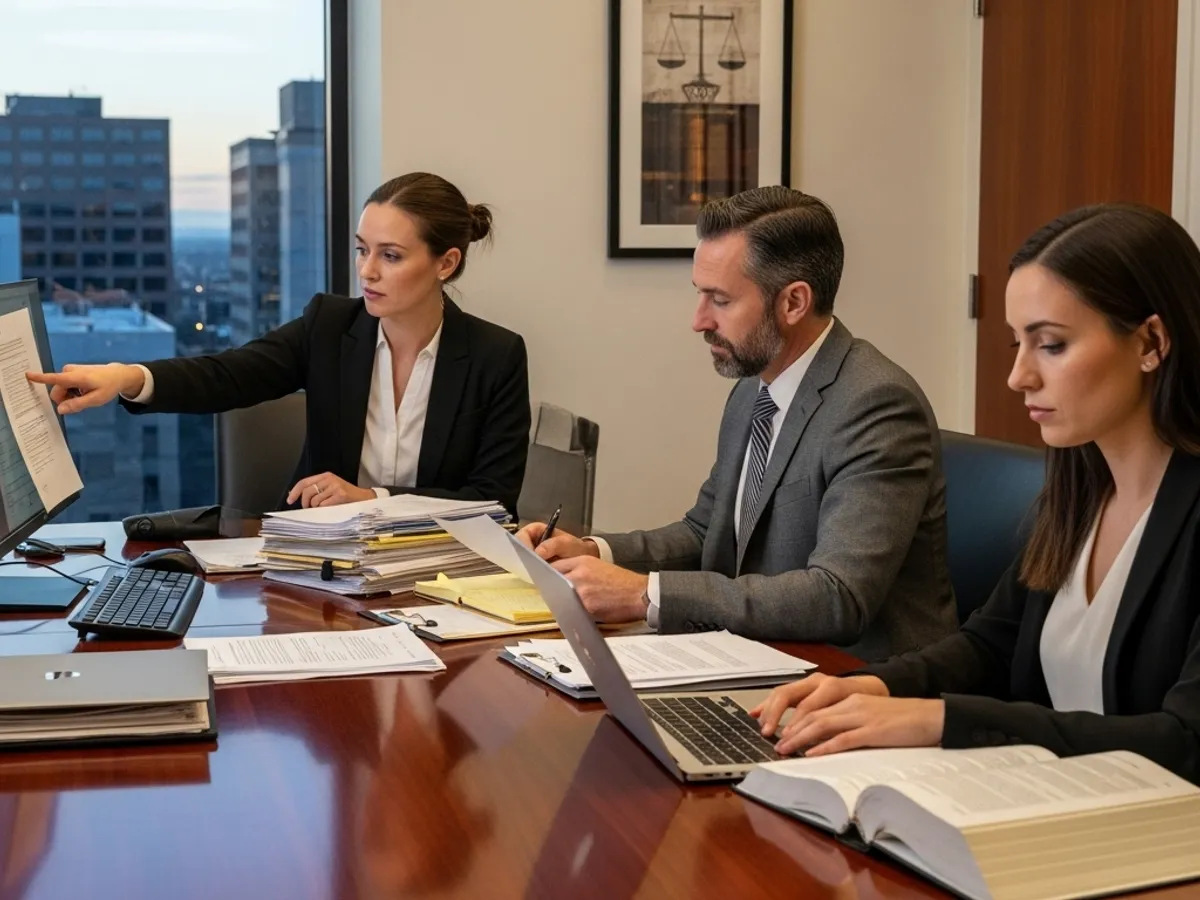
4. Mastering Negotiation and Settlement Agreements for Dispute Resolution
Dispute resolution through negotiation or mediation can often lead to quicker and more cost-effective resolutions than going to trial. Engaging in good-faith negotiations and being open to compromise can help you reach a settlement agreement that meets your needs. Effective lawyers know how to negotiate skillfully and advocate for your best interests. Sometimes the quickest, easiest, and most cost-effective way to resolve a legal dispute is NOT to go to court.
Settlement Facilitation Resources
The parties meet with a neutral facilitator(s), together with their counsel or as self-represented litigants. During the conference, each party’s position and interest are heard, the nature of the case is discussed, and possible solutions are considered. Settlement facilitation is confidential.

5. Filing Strategic Pre-Trial Motions for Winning Civil Cases
Filing strategic pre-trial motions can narrow the issues, exclude inadmissible evidence, and potentially dismiss parts of the case before trial. Effective motion practice requires a deep understanding of civil court procedures and the ability to present compelling legal arguments to the court. These tactics, combined with our aggressive approach and thorough case evaluations, set us apart as effective litigators, capable of achieving winning civil cases.
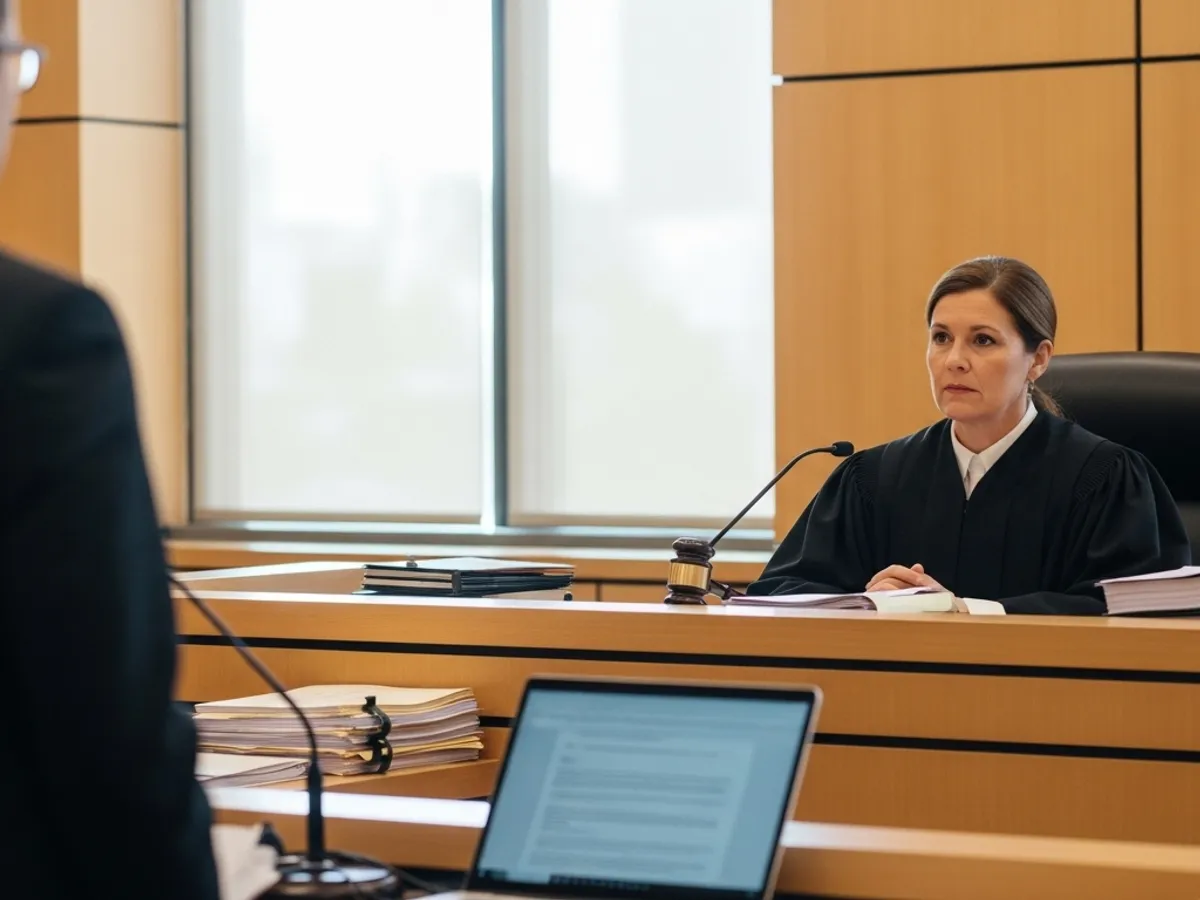
6. Preparing for Trial and Presenting a Compelling Case for Justice in Civil Cases
If a settlement agreement cannot be reached, thorough trial preparation is essential. This includes gathering evidence, preparing witnesses, and developing persuasive arguments to present to the judge or jury. Effective communication skills and a strong understanding of civil law are crucial for advocating your position and achieving justice in civil cases. Deepening your understanding of The Code of Civil Procedure (CPC), developing effective communication skills like verbal advocacy, writing statements concisely and persuasively; mastery of courtroom etiquette including nonverbal cues and body language will increase your chances of winning civil cases.

7. Understanding Post-Trial Procedures and Appeals in Civil Law
Even after a trial, the litigation process may not be over. Understanding post-trial procedures, such as appeals, is crucial for protecting your rights and ensuring a just outcome. A skilled civil law expert can guide you through the appeals process and continue to advocate on your behalf.

Tips and Warnings for Navigating Civil Litigation Effectively
Seeking Experienced Legal Counsel for Civil Matters
Navigating civil court procedures can be complex and challenging. Therefore, seeking experienced legal counsel for civil matters is essential. A knowledgeable attorney can provide invaluable guidance, protect your rights, and advocate on your behalf throughout the litigation process. At SHA Law, our civil law expert will provide legal expertise, help you navigate complex procedures, and advocate on your behalf, increasing your chances of a favorable outcome.
Understanding the Costs and Risks of Civil Litigation
Civil litigation can be expensive and time-consuming. Before filing a civil suit, carefully consider the potential costs, risks, and benefits involved. Discuss these factors with your attorney to make informed decisions and avoid unnecessary financial burdens.
Documenting Everything and Maintaining Clear Communication
Maintaining detailed records of all communications, expenses, and evidence is crucial in civil litigation. Clear and consistent communication with your attorney and the opposing party can help streamline the process and avoid misunderstandings.
Exploring Alternative Dispute Resolution Methods
Consider alternative dispute resolution methods, such as mediation or arbitration, as a means of resolving your case more quickly and cost-effectively. These methods can provide a less adversarial environment for reaching a settlement agreement and avoiding the uncertainties of trial.
Being Prepared for Delays and Unexpected Challenges in Civil Litigation
Civil litigation can be unpredictable, and delays are common. Be prepared for unexpected challenges and be patient throughout the process. A proactive and adaptable approach can help you navigate these obstacles and stay on track toward winning civil cases.
Conclusion: Achieving Favorable Outcomes with Strategic Civil Litigation Strategies
Achieving swift resolutions in civil cases requires a combination of civil litigation strategies, effective legal representation, and a thorough understanding of civil court procedures. By consulting with a civil law expert, developing a strategic litigation plan, and utilizing pre-trial procedures effectively, you can increase your chances of reaching a favorable outcome. Whether through negotiation, settlement agreements, or trial, a proactive and informed approach is essential for securing justice in civil cases.
Before you face false accusations, shield your freedom with strategic anticipatory bail.
Quick Summary
Navigating civil litigation effectively requires a strategic approach, beginning with consulting a civil law expert to assess the case merits. Developing a detailed litigation plan, utilizing pre-trial procedures, and mastering negotiation for settlement agreements are essential steps. Strategic pre-trial motions and thorough trial preparation are vital, as is understanding post-trial procedures and appeals. Seeking experienced legal counsel, understanding costs, documenting everything, exploring alternative dispute resolution, and being prepared for delays are crucial for achieving favorable outcomes in civil cases.
FAQs
What is civil litigation, and how does it differ from criminal litigation?
Civil litigation involves disputes between individuals or organizations seeking monetary compensation or other legal remedies, whereas criminal litigation involves the state prosecuting individuals for violating criminal laws.
How can a civil law expert help in achieving a swift resolution?
A civil law expert provides experienced legal counsel, develops effective strategies, navigates complex procedures, and advocates on your behalf, increasing your chances of a favorable and quicker resolution.
What are the key steps involved in civil court procedures?
The key steps include initial consultation, developing a litigation plan, utilizing pre-trial procedures like discovery, engaging in negotiation, filing strategic motions, preparing for trial, and understanding post-trial procedures.
How can alternative dispute resolution methods help resolve civil cases more efficiently?
Alternative dispute resolution methods like mediation and arbitration offer a less adversarial environment, potentially leading to quicker and more cost-effective settlement agreements compared to traditional trials.
What should I consider before filing a civil suit?
Before filing a civil suit, consider the potential costs, risks, and benefits involved, and discuss these factors with your attorney to make informed decisions and avoid unnecessary financial burdens.
Reach out to Advocate today for a consultation. Call or WhatsApp +91-92121-97427.