Navigating property disputes requires expertise and a tailored approach. At Albers & Associates, we provide effective property dispute resolution with confidence. Our experienced team offers personalized legal solutions to protect your rights, whether dealing with boundary disputes, landlord-tenant issues, or complex multi-party conflicts. Contact us today at (443) 665-8030 and let us guide you to a favorable resolution.
Understanding Property Law Nuances for Effective Property Dispute Resolution
Understanding property law nuances is the cornerstone of resolving disputes, defining property ownership and informing how disputes are handled. This section explores the critical aspects of property law that underpin effective dispute resolution. We will delve into ownership rights, land use regulations, and the importance of understanding these principles for successful navigation of property disputes.
The Basics of Property Ownership Rights
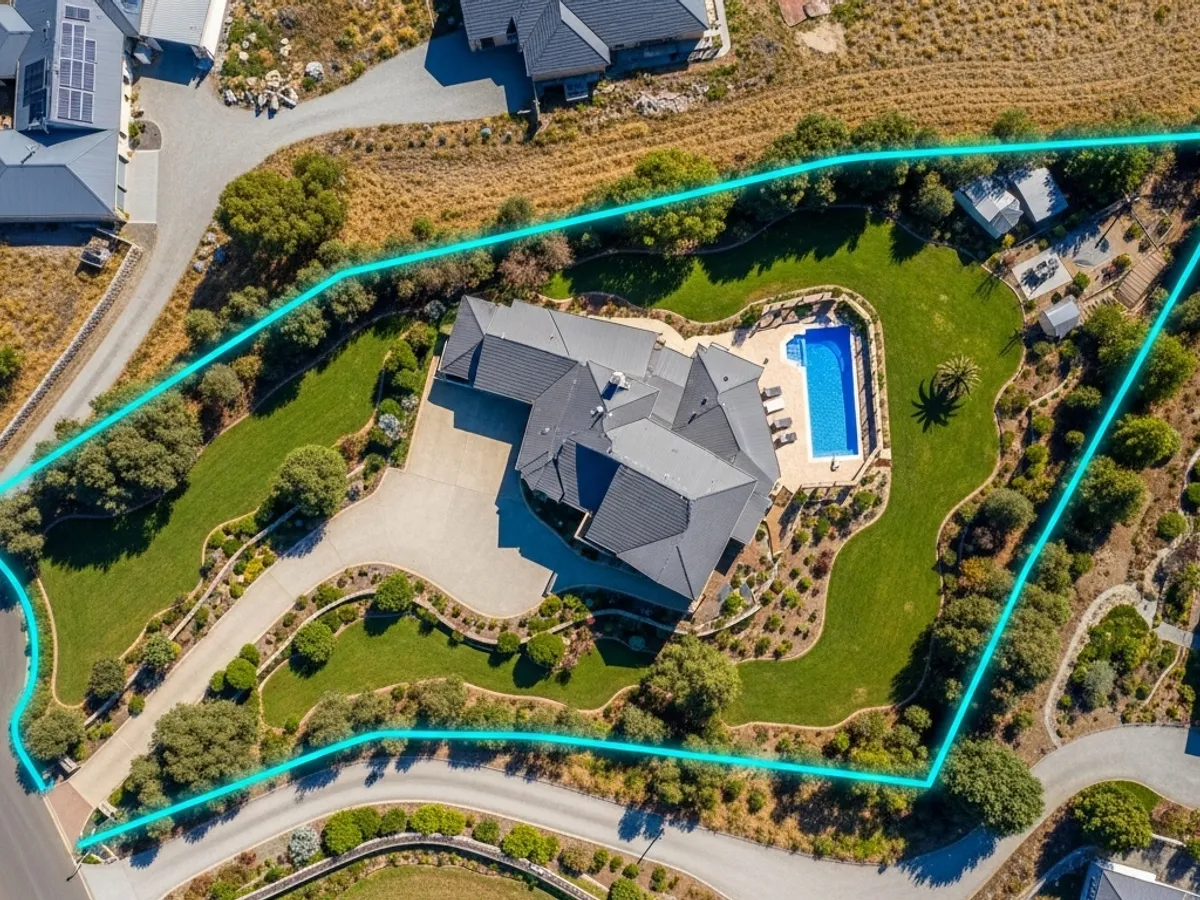
Understanding property ownership is fundamental to resolving real estate conflicts. This involves grasping the rights associated with property ownership, including the right to possess, use, and dispose of the property. Knowledge of these rights forms the basis for addressing disputes related to ownership claims and usage. These rights are not just theoretical concepts; they have tangible implications for how property can be used, transferred, and protected. For instance, the right to possess means that the owner has the exclusive authority to occupy and control the property, while the right to use allows the owner to engage in activities on the property that are consistent with local zoning laws and regulations. The right to dispose of the property encompasses the ability to sell, lease, or otherwise transfer ownership to another party.
However, property ownership is not absolute. It is subject to various limitations imposed by law, such as zoning ordinances, environmental regulations, and homeowners association rules. These limitations can affect how an owner can use their property and may give rise to disputes if not properly understood and followed. Therefore, a thorough understanding of these limitations is crucial for preventing and resolving property disputes.
Moreover, property rights can be complex and may involve multiple parties, such as co-owners, easement holders, and mortgage lenders. Each party may have different rights and responsibilities, and conflicts can arise if these rights are not clearly defined and respected. For example, co-owners may disagree on how to manage the property, easement holders may exceed the scope of their easement rights, or mortgage lenders may foreclose on the property if the owner fails to make timely payments. In such cases, it is essential to seek legal counsel to understand the respective rights and obligations of each party and to find a fair and equitable resolution.
Land Use Regulations and Zoning Laws
Zoning laws and land use regulations influence property disputes by dictating property usage. Grasping these laws is key to navigating disputes, as they often dictate what activities are permitted on a property and can lead to conflicts if violated. These regulations are designed to promote orderly development, protect property values, and ensure the health, safety, and welfare of the community. They typically divide a municipality into different zones, each with its own set of rules governing the types of buildings and activities that are allowed.
Common types of zoning regulations include residential, commercial, industrial, and agricultural zones. Residential zones are typically restricted to single-family homes, apartments, and other types of housing, while commercial zones are reserved for businesses, retail stores, and office buildings. Industrial zones are designated for manufacturing, warehousing, and other industrial activities, while agricultural zones are intended for farming and other agricultural uses.
Zoning regulations also specify various requirements for buildings, such as height limits, setback requirements, and parking requirements. These requirements are designed to ensure that buildings are compatible with their surroundings and do not create nuisances for neighboring properties. For example, a height limit may be imposed to prevent tall buildings from blocking sunlight to adjacent properties, while setback requirements may be established to maintain adequate spacing between buildings.
Violations of zoning regulations can lead to property disputes, as neighboring property owners may object to activities that are not permitted in the zone or that violate building requirements. For example, a homeowner may object to a neighbor who is operating a commercial business out of their home in a residential zone, or a business owner may object to a neighboring business that is violating parking requirements.
Navigating Easements and Rights-of-Way
Easements and rights-of-way grant specific usage rights to parties other than the property owner. Disputes often arise regarding the extent and terms of these easements, making it crucial to understand how they impact property rights and usage. An easement is a legal right that allows someone to use another person’s property for a specific purpose. Common examples of easements include utility easements, which allow utility companies to run power lines or pipelines across a property, and access easements, which allow a person to cross another person’s property to reach their own property.
A right-of-way is similar to an easement, but it typically refers to the right to pass over another person’s property. Rights-of-way are often used for roads, sidewalks, and other public access routes. Disputes involving easements and rights-of-way can arise in a variety of situations. For example, a property owner may object to the location or scope of an easement, or an easement holder may exceed the scope of their easement rights. In addition, disputes can arise over the maintenance and repair of easements and rights-of-way.
For instance, consider a situation where a property owner grants an easement to a neighbor to use a driveway that crosses their property. If the neighbor starts using the driveway for purposes other than accessing their property, such as parking vehicles or storing equipment, the property owner may object and a dispute may arise. Similarly, if the easement agreement does not specify who is responsible for maintaining the driveway, a dispute may arise if the driveway falls into disrepair.
Step-by-Step Instructions for Resolving Real Estate Conflicts
This section provides a detailed guide on resolving real estate conflicts through strategic steps, from initial assessment to potential litigation. Each step is designed to help property owners navigate the complexities of dispute resolution effectively.

Step 1: Initial Assessment and Documentation
Begin by thoroughly reviewing all legal documents and agreements related to the property. This includes deeds, surveys, contracts, and any relevant correspondence. Accurate documentation is essential for building a strong case. The deed is the most important document, as it establishes ownership of the property and describes its boundaries. The survey provides a visual representation of the property, including its dimensions, boundaries, and any easements or rights-of-way. Contracts, such as purchase agreements or lease agreements, outline the terms and conditions of the property transaction or tenancy. Relevant correspondence, such as letters, emails, and memos, can provide evidence of agreements, disputes, and other important information.
In addition to these documents, it is also important to gather any other evidence that may be relevant to the dispute. This may include photographs, videos, witness statements, and expert opinions. For example, if the dispute involves a boundary line, it may be helpful to obtain a survey from a licensed surveyor to determine the exact location of the boundary. Similarly, if the dispute involves a construction defect, it may be necessary to obtain an expert opinion from a qualified engineer or contractor.
Once all of the relevant documents and evidence have been gathered, it is important to organize them in a clear and concise manner. This will make it easier to review the information and present it to the other party or to a mediator or arbitrator. It is also important to make copies of all documents and evidence, as the originals may be needed for court proceedings.
Step 2: Open Communication and Negotiation
Engage in open communication with the other party to attempt to resolve the dispute amicably. Negotiation can often lead to mutually agreeable solutions without resorting to litigation. Open communication involves expressing your concerns and listening to the other party’s perspective. It is important to be respectful and avoid making personal attacks or accusations. Instead, focus on the facts of the dispute and try to find common ground.
Negotiation is a process of give and take, where both parties make concessions in order to reach an agreement. It is important to be prepared to compromise and to be realistic about what you can achieve. In some cases, it may be helpful to involve a neutral third party, such as a mediator, to facilitate the negotiation process. A mediator can help both parties understand each other’s perspectives and can suggest solutions that may not have been considered otherwise.
The goal of negotiation is to reach a mutually agreeable solution that resolves the dispute without the need for litigation. If negotiation is successful, it is important to put the agreement in writing and have it signed by both parties. This will help to ensure that the agreement is enforceable and that both parties understand their rights and obligations.
Step 3: Mediation and Arbitration
Consider mediation or arbitration as alternative dispute resolution methods. These processes involve a neutral third party who helps facilitate communication and find common ground, potentially avoiding costly court battles. Mediation is a voluntary process where a neutral third party, known as a mediator, helps the parties to communicate and negotiate a settlement. The mediator does not make a decision or impose a solution, but instead helps the parties to reach their own agreement. Mediation is often less expensive and time-consuming than litigation, and it can be a good way to preserve relationships between the parties. Arbitration, on the other hand, is a more formal process where a neutral third party, known as an arbitrator, hears evidence and makes a binding decision. The arbitrator’s decision is typically final and cannot be appealed, unless there is evidence of fraud or misconduct. Arbitration is often faster and less expensive than litigation, but it does not allow the parties to have their case heard by a judge or jury.
Both mediation and arbitration can be effective ways to resolve property disputes, but they are not always appropriate. For example, if the dispute involves complex legal issues or if the parties are unable to agree on a neutral third party, litigation may be the best option. It is important to consult with an attorney to determine the best course of action for your particular situation.
Step 4: Legal Action as a Last Resort
If negotiation and mediation fail, legal action may be necessary. Consult with an attorney specializing in real estate litigation to understand your options and prepare for potential court proceedings. Legal action involves filing a lawsuit in court and presenting your case to a judge or jury. This can be a lengthy and expensive process, and it is important to be prepared for the time commitment and financial costs involved. Before filing a lawsuit, it is important to consult with an attorney to assess the merits of your case and to understand the potential risks and rewards of litigation.
If you decide to pursue legal action, your attorney will file a complaint with the court, which outlines the facts of your case and the relief you are seeking. The other party will then have an opportunity to respond to the complaint. After the complaint and response have been filed, the parties will engage in a process called discovery, where they exchange information and evidence. This may involve requests for documents, interrogatories (written questions), and depositions (oral examinations). Once discovery is complete, the case will be set for trial. At trial, both parties will present evidence and arguments to the judge or jury. The judge or jury will then make a decision based on the evidence presented. If you are successful at trial, the court will enter a judgment in your favor, which may order the other party to pay you damages or to take other actions to resolve the dispute. However, if you are unsuccessful at trial, you may be required to pay the other party’s attorney fees and costs.
The Role of Strategic Legal Counsel for Property in Dispute Resolution
Strategic legal counsel for property is critical in navigating the complexities of property disputes. This section explores the multifaceted role of a property dispute lawyer, from initial consultation to courtroom representation.
Assessing the Details of Your Property Dispute
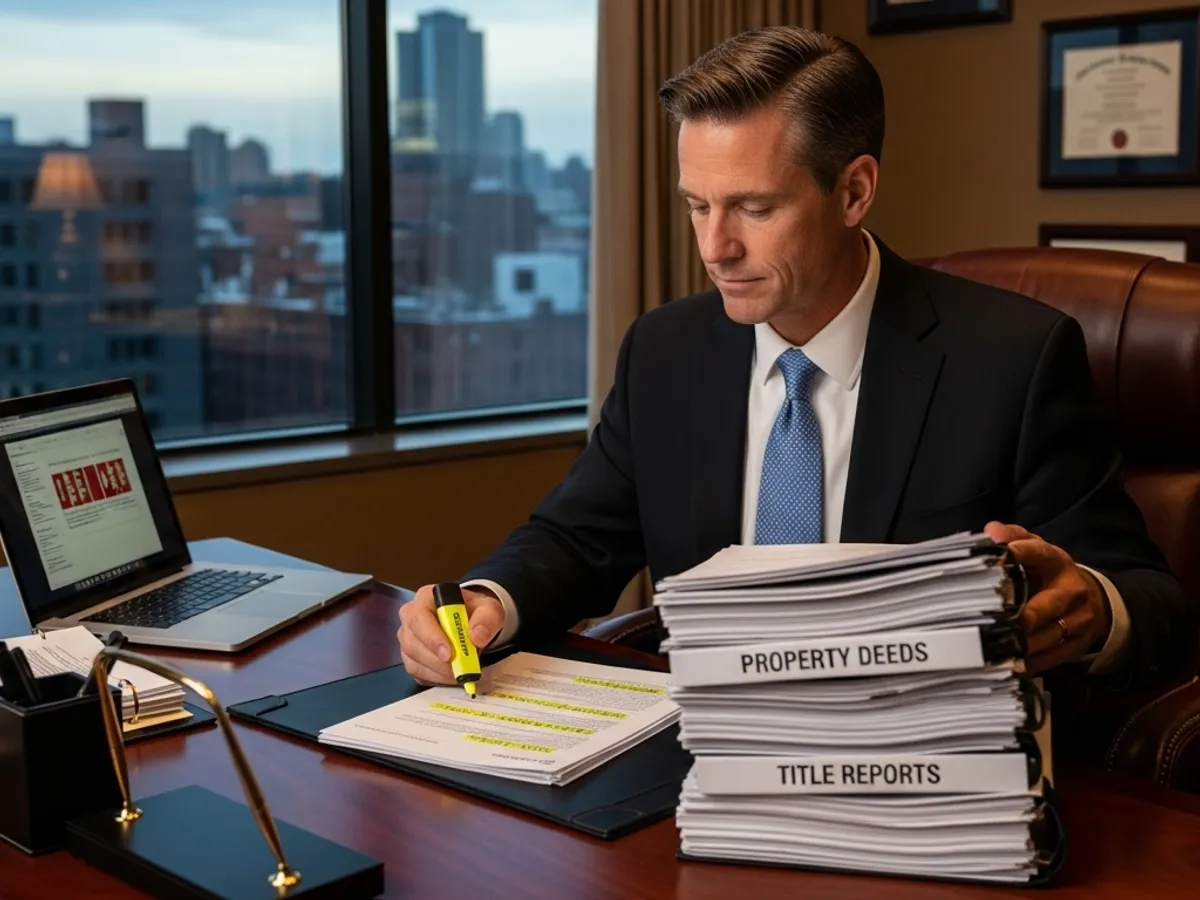
An attorney can assess the specifics of your boundary dispute and offer tailored legal advice on how to resolve the situation. They can explain your rights under property law, help you understand the potential outcomes, and guide you through available options, whether it’s negotiation, mediation, or legal action. Legal advice is crucial because property law can be intricate, varying significantly based on jurisdiction. A skilled attorney can interpret complex statutes, case law, and local ordinances to provide a clear understanding of your legal position. This assessment includes evaluating the strength of your claim, identifying potential defenses, and predicting the likely outcome of various resolution strategies.
Furthermore, an attorney can help you understand the nuances of property law as they apply to your specific situation. For example, in boundary disputes, the attorney will examine deeds, surveys, and historical records to determine the accurate property lines. In easement disputes, the attorney will analyze the terms of the easement agreement and assess whether the other party is exceeding their rights. In title disputes, the attorney will conduct a title search to identify any potential defects or encumbrances on the property.
By providing a thorough assessment of your property dispute, an attorney can help you make informed decisions about how to proceed. This can save you time, money, and stress in the long run.
Representing Your Interests in Court
If the dispute cannot be resolved through negotiation or mediation, your attorney might suggest filing a quiet title action. This legal process allows a court to officially determine property boundaries and settle ownership disputes. Representation in court involves a range of activities, including drafting legal documents, conducting discovery, presenting evidence, and arguing your case before a judge or jury. Your attorney will act as your advocate, protecting your rights and interests throughout the litigation process.
The first step in court representation is typically filing a complaint or petition with the court. This document outlines the facts of your case, the legal issues involved, and the relief you are seeking. Your attorney will carefully draft this document to ensure that it accurately and persuasively presents your case.
After the complaint or petition has been filed, the other party will have an opportunity to respond. Your attorney will then conduct discovery, which involves gathering information and evidence from the other party. This may include requests for documents, interrogatories (written questions), and depositions (oral examinations). Your attorney will use this information to build your case and prepare for trial.
At trial, your attorney will present evidence, call witnesses, and make legal arguments to the judge or jury. Your attorney will also cross-examine the other party’s witnesses and challenge their evidence. The goal is to persuade the judge or jury that your position is correct and that you are entitled to the relief you are seeking.
Preventing Future Property Disputes
Beyond resolving the immediate issue, an experienced attorney can help you take steps to prevent future disputes. They can ensure that any agreements reached are properly recorded with the county and added to your property’s legal records, providing clear documentation of boundaries for future owners and protecting your rights long term. Preventing future property disputes involves taking proactive measures to avoid conflicts and misunderstandings. This may include obtaining a professional survey of your property, clearly marking property boundaries, and maintaining open communication with your neighbors.
An experienced attorney can also help you draft agreements that clearly define the rights and responsibilities of all parties involved. For example, if you are granting an easement to a neighbor, your attorney can draft an easement agreement that specifies the scope of the easement, the location of the easement, and the responsibilities for maintenance and repair.
Furthermore, an attorney can help you understand your rights and obligations under property law. This knowledge can empower you to make informed decisions and avoid actions that could lead to disputes. For example, if you are planning to build a fence near a property line, your attorney can advise you on the applicable setback requirements and help you avoid encroaching on your neighbor’s property.
Common Types of Property Disputes and How to Address Them
Property disputes can arise from various issues, including boundary disputes, easements, title conflicts, and landlord-tenant disagreements. This section explores these common types and provides strategies for addressing them effectively.

Boundary Disputes and Property Line Conflicts
Boundary disputes often occur due to unclear or incorrect property descriptions in deeds. These disputes can involve encroaching fences or structures built partially on a neighbor’s land. These disputes can be particularly contentious because they often involve long-standing disagreements between neighbors. One of the first steps in resolving a boundary dispute is to review the property deeds and surveys to determine the accurate property lines. If the deeds and surveys are unclear or conflicting, it may be necessary to hire a licensed surveyor to conduct a new survey.
Once the accurate property lines have been determined, it is important to communicate with your neighbor to try to resolve the dispute amicably. This may involve negotiating a settlement or agreeing to adjust the property line. If you are unable to reach an agreement with your neighbor, you may need to file a lawsuit to quiet title to the property. A quiet title action is a legal proceeding to determine the ownership of real property. The court will consider the evidence presented by both parties and make a determination as to the accurate property lines.
Easement and Right-of-Way Issues
Disagreements arise when one party has the right to use part of another’s land for a specific purpose. The extent and terms of the easement may be in dispute, requiring legal clarification. An easement grants someone the right to use another person’s property for a specific purpose. A right-of-way is a type of easement that allows someone to pass over another person’s property. Disputes involving easements and rights-of-way can arise in a variety of situations. For example, a property owner may object to the location or scope of an easement, or an easement holder may exceed the scope of their easement rights. In addition, disputes can arise over the maintenance and repair of easements and rights-of-way.
To resolve an easement or right-of-way dispute, it is important to review the easement agreement to determine the rights and responsibilities of each party. If the agreement is unclear or ambiguous, it may be necessary to seek legal interpretation from a court. In some cases, it may be possible to negotiate a modification of the easement agreement to resolve the dispute. If negotiation is not possible, it may be necessary to file a lawsuit to enforce your rights.
Title Deed Issues and Ownership Claims
Title defects can lead to ownership claims and disputes. These issues may arise from fraudulent conveyances or unresolved liens, necessitating a quiet title action to resolve the conflicts. A title defect is any claim or encumbrance that could affect the ownership of real property. Common types of title defects include fraudulent conveyances, unresolved liens, and errors in the property records. If you discover a title defect on your property, it is important to take steps to resolve the issue as soon as possible. A quiet title action is a legal proceeding to determine the ownership of real property and to clear up any title defects. In a quiet title action, the court will consider the evidence presented by both parties and make a determination as to the rightful owner of the property.
To initiate a quiet title action, you will need to file a complaint with the court and name all parties who may have an interest in the property. The complaint should describe the property, the title defect, and the relief you are seeking. The court will then notify the other parties and give them an opportunity to respond to the complaint. After the parties have filed their responses, the court will hold a hearing to consider the evidence and arguments presented by both sides. If the court finds that you are the rightful owner of the property, it will enter a judgment quieting title in your name.
Landlord-Tenant Disagreements
Landlord-tenant disputes can involve disagreements over lease agreements, property maintenance, or eviction proceedings. Understanding tenant rights and landlord responsibilities is crucial for resolving these conflicts. These disagreements are some of the most common types of property disputes, arising from a variety of issues related to lease agreements, property conditions, and eviction proceedings. Lease agreements outline the terms and conditions of the tenancy, including the rent amount, the length of the lease, and the responsibilities of the landlord and tenant. Disputes can arise if either party fails to comply with the terms of the lease agreement.
Property maintenance is another common source of landlord-tenant disputes. Landlords are typically responsible for maintaining the property in a safe and habitable condition, while tenants are responsible for keeping the property clean and undamaged. Disputes can arise if the landlord fails to make necessary repairs or if the tenant damages the property. Eviction proceedings can also lead to disputes. Landlords have the right to evict tenants who violate the terms of the lease agreement or who fail to pay rent. However, tenants have certain rights in eviction proceedings, and landlords must follow proper procedures to evict a tenant legally.
To resolve a landlord-tenant dispute, it is important to understand your rights and responsibilities under the law. Landlords and tenants should communicate openly and honestly to try to resolve the dispute amicably. If negotiation is not possible, it may be necessary to seek legal assistance from a qualified attorney.
Legal Recourse for Property Owners: Navigating Real Estate Litigation
When property disputes escalate, legal recourse for property owners becomes essential. This section outlines the methods used in real estate litigation to navigate complex legal matters effectively.
Understanding the Litigation Process
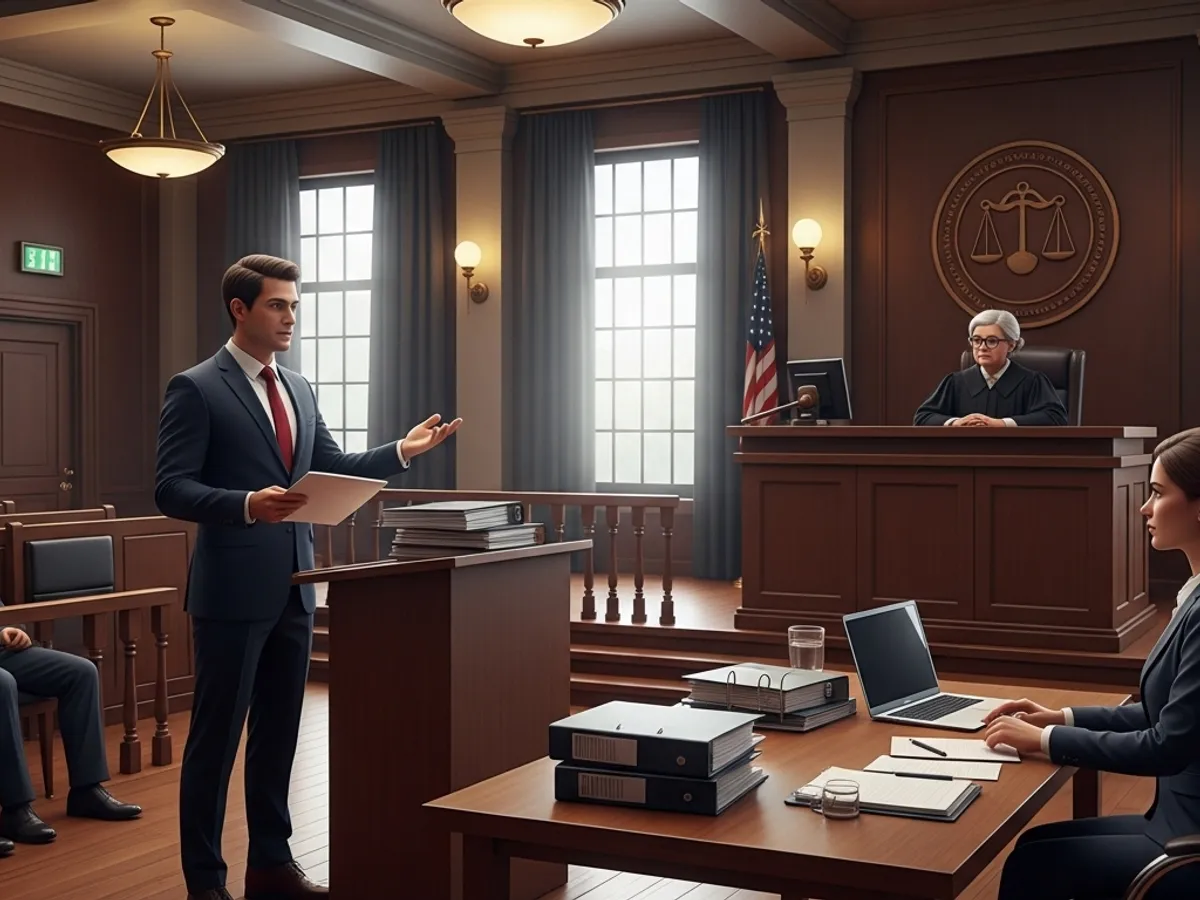
The litigation process involves several stages, including filing a complaint, conducting discovery, and presenting evidence in court. Understanding each stage is crucial for effectively navigating the legal system. Filing a complaint is the first step in the litigation process. The complaint is a legal document that outlines the facts of the case, the legal issues involved, and the relief the plaintiff is seeking. The complaint must be filed with the court and served on the defendant. Conducting discovery is the next stage in the litigation process. Discovery is a process where both parties exchange information and evidence. This may involve requests for documents, interrogatories (written questions), and depositions (oral examinations). The purpose of discovery is to gather information to prepare for trial.
Presenting evidence in court is the final stage in the litigation process. At trial, both parties will present evidence to the judge or jury. This may involve calling witnesses, introducing documents, and making legal arguments. The judge or jury will then make a decision based on the evidence presented. Understanding each stage is crucial for effectively navigating the legal system, as it allows parties to be prepared for what to expect and to make informed decisions throughout the process.
Utilizing Court Precedents and Case Law
Court precedents and case law shape property dispute resolutions. Staying updated on influential cases helps property owners and legal practitioners anticipate challenges and craft effective strategies. Court precedents are legal principles established by previous court decisions. Case law is the body of law created by court decisions. Court precedents and case law are important in property disputes because they provide guidance on how similar disputes have been resolved in the past. Staying updated on influential cases helps property owners and legal practitioners anticipate challenges and craft effective strategies, as it allows them to understand how the courts are likely to rule in their case.
For example, if a property owner is involved in a boundary dispute, they can research court precedents and case law to see how similar disputes have been resolved in their jurisdiction. This can help them understand the strengths and weaknesses of their case and develop a strategy for resolving the dispute. Additionally, staying updated on influential cases can help property owners and legal practitioners identify new legal trends and developments that may affect their case.
Expert Witnesses and Property Surveys
Expert witnesses, such as surveyors and appraisers, can provide valuable testimony and evidence in property disputes. Property surveys can help clarify boundary lines and resolve conflicts over property dimensions. Expert witnesses are individuals who have specialized knowledge or expertise in a particular field. In property disputes, expert witnesses may be called to provide testimony on issues such as property boundaries, property values, or construction defects. Surveyors can provide expert testimony on property boundaries. They can conduct surveys to determine the accurate location of property lines and identify any encroachments or overlaps. Appraisers can provide expert testimony on property values. They can conduct appraisals to determine the fair market value of a property. Property surveys are accurate measurements and depictions of a property’s boundaries and features. They can be used to clarify boundary lines and resolve conflicts over property dimensions. Property surveys are typically prepared by licensed surveyors.
In addition to clarifying boundary lines, property surveys can also identify easements, rights-of-way, and other encumbrances that may affect the property. This information can be valuable in resolving property disputes. Both expert witnesses and property surveys play a crucial role in providing objective and reliable information in property disputes. Their testimony and evidence can help the court make informed decisions and resolve disputes fairly.
Effective Strategies for Property Dispute Resolution
This section explores effective strategies for effective property dispute resolution, including negotiation, mediation, and arbitration. These strategies aim to resolve conflicts efficiently and avoid the time-consuming and expensive process of litigation.

Negotiation and Open Communication
Negotiation focuses on open dialogue and compromise, often saving time and relationships. Regular communication with legal counsel is vital to stay informed about the case progress and address any questions or concerns. Negotiation is a process where parties communicate directly with each other to try to reach a mutually agreeable solution. Open communication involves expressing your concerns and listening to the other party’s perspective. It is important to be respectful and avoid making personal attacks or accusations. Instead, focus on the facts of the dispute and try to find common ground. This approach can be highly effective in resolving property disputes, as it allows parties to maintain control over the outcome and avoid the uncertainty and expense of litigation.
However, negotiation is not always successful. If the parties are unable to communicate effectively or if they are unwilling to compromise, it may be necessary to consider other dispute resolution methods. Regular communication with legal counsel is vital to stay informed about the case progress and address any questions or concerns. An attorney can provide guidance on the negotiation process and help you understand your rights and obligations.
Mediation and Alternative Dispute Resolution
Mediation involves a neutral third party who helps the disputing parties communicate and work towards a resolution. Unlike arbitration or litigation, mediation is non-binding, and the mediator does not make decisions for the parties. Alternative dispute resolution (ADR) refers to a variety of methods for resolving disputes outside of court. Mediation is one type of ADR. Other types of ADR include arbitration, conciliation, and early neutral evaluation. Mediation is a voluntary process where a neutral third party, known as a mediator, helps the parties to communicate and negotiate a settlement. The mediator does not make a decision or impose a solution, but instead helps the parties to reach their own agreement. Mediation is often less expensive and time-consuming than litigation, and it can be a good way to preserve relationships between the parties.
Unlike arbitration or litigation, mediation is non-binding, and the mediator does not make decisions for the parties. This means that the parties are free to reject the mediator’s suggestions and to pursue other dispute resolution methods. However, mediation can be a valuable tool for resolving property disputes, as it allows the parties to explore their options and to reach a mutually agreeable solution. Mediation can be particularly effective in resolving disputes that involve emotional or personal issues, as it provides a forum for the parties to express their feelings and to understand each other’s perspectives.
Arbitration and Binding Agreements
Arbitration provides a more formal process where an arbitrator makes a binding decision to resolve the dispute. This option is often faster and less expensive than litigation, but it requires both parties to agree to abide by the arbitrator’s decision. Arbitration is a more formal process than mediation, as it involves a neutral third party, known as an arbitrator, who hears evidence and makes a binding decision. The arbitrator’s decision is typically final and cannot be appealed, unless there is evidence of fraud or misconduct. Arbitration is often faster and less expensive than litigation, but it does not allow the parties to have their case heard by a judge or jury.
Arbitration can be a good option for resolving property disputes that involve complex legal issues or that require a quick resolution. However, it is important to understand that the arbitrator’s decision is binding, so you should carefully consider whether arbitration is the right choice for your particular situation. Both parties must agree to abide by the arbitrator’s decision in order for the process to be effective.
Tips for Preventing Property Disputes Before They Arise
Preventing property disputes before they arise involves proactive measures and clear communication. This section provides practical tips for property owners to avoid potential conflicts and protect their property rights.

Maintaining Clear Property Boundaries
Regularly review property surveys and boundary lines to ensure accuracy. Address any discrepancies or potential encroachments promptly to avoid future disputes. Maintaining clear property boundaries is crucial for preventing disputes with neighbors. This involves regularly reviewing property surveys and boundary lines to ensure accuracy. Property surveys are accurate measurements and depictions of a property’s boundaries and features. They can be used to clarify boundary lines and resolve conflicts over property dimensions. Property surveys are typically prepared by licensed surveyors.
If you discover any discrepancies or potential encroachments, it is important to address them promptly to avoid future disputes. This may involve communicating with your neighbor to resolve the issue amicably or hiring an attorney to take legal action. Furthermore, consider obtaining title insurance to protect against potential boundary disputes. Title insurance is a type of insurance that protects property owners against financial loss due to title defects, including boundary disputes. Title insurance can help cover the costs of legal fees and other expenses associated with resolving a boundary dispute.
Open Communication with Neighbors
Maintain open communication with neighbors to discuss any concerns or potential issues related to property boundaries or usage. Clear and respectful dialogue can prevent misunderstandings and conflicts. Open communication with neighbors is essential for maintaining good relationships and preventing property disputes. This involves being respectful and considerate of your neighbors’ needs and concerns. It also involves communicating openly and honestly about any issues that may arise.
If you have any concerns or potential issues related to property boundaries or usage, it is important to discuss them with your neighbors as soon as possible. This can help prevent misunderstandings and conflicts from escalating. When communicating with your neighbors, be clear and concise. Explain your concerns in a calm and respectful manner. Listen carefully to your neighbors’ perspective and try to find common ground. If you are unable to resolve the issue through communication, you may need to consider other dispute resolution methods, such as mediation or arbitration.
Documenting Agreements and Property Changes
Document any agreements or changes to property boundaries in writing and record them with the county. This provides clear evidence of the agreed-upon terms and protects your rights in the event of a dispute. Documenting agreements and property changes is crucial for protecting your property rights. This involves putting all agreements in writing and recording them with the county. Written agreements provide clear evidence of the agreed-upon terms and can help prevent misunderstandings and disputes from arising in the future.
Recording agreements with the county puts them on public record and provides notice to future owners of the property. This can help protect your rights in the event that the property is sold or transferred to someone else. Additionally, maintaining accurate records of all property changes, such as boundary line adjustments or easements, is essential for protecting your property rights. This includes keeping copies of all surveys, deeds, and other documents related to the property. These documents can be used to resolve any disputes that may arise in the future.
Understanding Land Ownership Disputes and Resolving Inheritance Property Issues
Land ownership disputes often arise from inheritance, unclear titles, or conflicting claims. This section explores how to navigate these complex issues and resolve inheritance property issues effectively.
Navigating Inheritance Laws and Probate
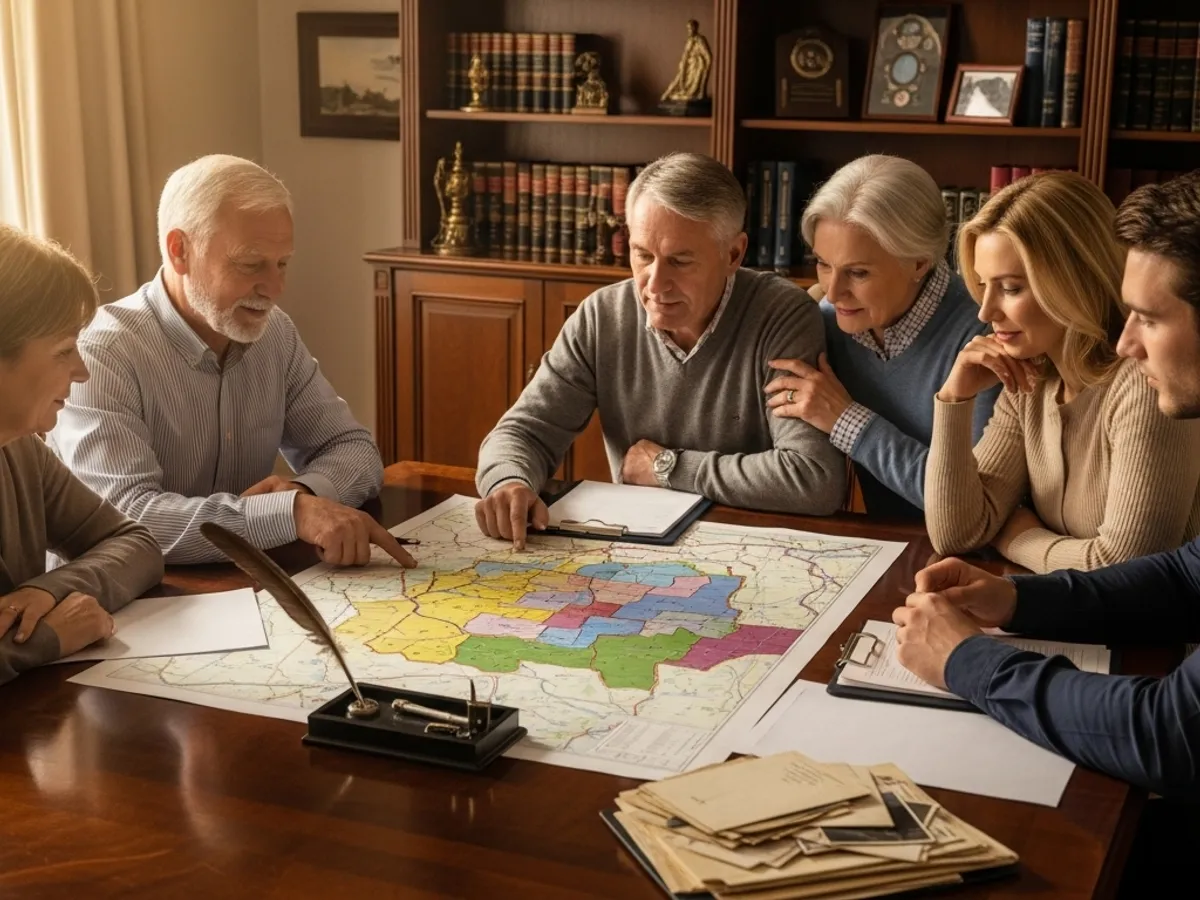
Understanding inheritance laws and the probate process is crucial for resolving disputes related to inherited property. Proper estate planning can help avoid potential conflicts among heirs. Inheritance laws and the probate process are complex legal matters that govern the transfer of property from a deceased person to their heirs. Inheritance laws vary from state to state, so it is important to understand the laws in your jurisdiction. The probate process is the legal process of administering a deceased person’s estate. This process involves identifying and valuing the deceased person’s assets, paying their debts and taxes, and distributing the remaining assets to their heirs.
Understanding inheritance laws and the probate process is crucial for resolving disputes related to inherited property. This knowledge can help you understand your rights and obligations as an heir and can help you avoid potential conflicts with other heirs. Additionally, proper estate planning can help avoid potential conflicts among heirs by clearly outlining your wishes for the distribution of your property. Estate planning involves creating legal documents, such as wills and trusts, that specify how your property should be distributed after your death.
Resolving Disputes Among Heirs
Disputes among heirs can arise over the division of inherited property or the interpretation of wills. Mediation and legal counsel can help facilitate fair and equitable resolutions. Disputes among heirs are common in inheritance cases. These disputes can arise over a variety of issues, such as the division of inherited property, the interpretation of wills, or the management of the estate. Disputes among heirs can be emotionally charged and can lead to costly litigation.
Mediation and legal counsel can help facilitate fair and equitable resolutions in disputes among heirs. Mediation is a voluntary process where a neutral third party, known as a mediator, helps the parties to communicate and negotiate a settlement. Legal counsel can provide guidance on the law and help you understand your rights and obligations as an heir. They can also help you negotiate a settlement with the other heirs or represent you in court if necessary.
Quiet Title Actions for Inheritance Property
A quiet title action can be used to clear up any title defects or conflicting claims on inherited property. This process ensures that ownership is clear and unambiguous. A quiet title action is a legal proceeding to determine the ownership of real property. This action can be used to clear up any title defects or conflicting claims on inherited property. Title defects are any claims or encumbrances that could affect the ownership of real property. Common types of title defects include fraudulent conveyances, unresolved liens, and errors in the property records.
Conflicting claims are disputes over who owns the property. To initiate a quiet title action, you will need to file a complaint with the court and name all parties who may have an interest in the property. The complaint should describe the property, the title defect, or the conflicting claim, and the relief you are seeking. The court will then notify the other parties and give them an opportunity to respond to the complaint. After the parties have filed their responses, the court will hold a hearing to consider the evidence and arguments presented by both sides. If the court finds that you are the rightful owner of the property, it will enter a judgment quieting title in your name. legal advice for property issues is essential during such times.
Conclusion: Securing Your Property Rights with Strategic Legal Counsel
In conclusion, successfully navigating property disputes requires expertise, strategic planning, and effective communication. At Albers & Associates, we are committed to providing tailored legal strategies to protect your property rights and achieve favorable resolutions. Contact us today at (443) 665-8030 to secure your property rights with our strategic legal counsel for property.
FAQs: Addressing Common Concerns in Property Disputes
What are the most common causes of property disputes?
Common causes include boundary disputes, disagreements over easements, title defects, and landlord-tenant issues.
How can mediation help resolve a property dispute?
Mediation offers a non-binding process where a neutral third party helps facilitate communication and find common ground.
When should I hire an attorney for a property dispute?
You should hire an attorney when facing complex legal issues, potential litigation, or if negotiations have stalled. Hiring an attorney for property disputes is crucial when facing complex legal issues or potential litigation. An attorney provides expert guidance, protects your rights, and navigates the legal process effectively.
What is a quiet title action, and when is it necessary?
A quiet title action is a legal process to resolve ownership disputes and clear up property title issues. It is necessary when there are conflicting claims to a property.
How can I prevent property disputes from arising?
Preventive measures include maintaining clear property boundaries, open communication with neighbors, and documenting agreements in writing. You can also seek guidance from high court legal representation for more complex cases.
Reach out to Advocate Shashi Kiran, a seasoned property dispute lawyer Delhi with 35+ years of experience, for tailored legal strategies. Call or WhatsApp +91-92121-97427 for a consultation.