

Introduction

You’ve just walked out of the Delhi High Court. After three years of fighting over property, your evidence held up, and you won. It feels great. Most people call this the “High Court victory hangover.” You start thinking that same mountain of evidence will carry you through the Supreme Court too. It won’t. In fact, that’s a dangerous assumption. Roughly 80% of Special Leave Petitions (SLPs) get tossed out before they’re even heard. Why? Because they don’t present a “substantial question of law.” When you’re looking for legal representation delhi, your lawyer is usually fighting in the trenches. They’re arguing about witness credibility or digging through service records. A delhi high court lawyer works where the facts are still the main event. But the Supreme Court is different. The air is thinner there. It’s not about what happened on some Tuesday in 2018 anymore. It’s about why the law itself is confusing and needs a fix. This is the real divide. A supreme court advocate isn’t just a lawyer; they’re a filter for the constitution. You can’t just hire a loud voice. You need someone who knows the advocate on record process and actually has the authority to file. At Shashi Kiran Advocate, we see it all the time—great arguments fail because the lawyer couldn’t stop talking about facts and start talking about logic. It’s a tough transition. If you’re hiring a supreme court advocate in india, you’re paying for a change in strategy. You’re moving from “proving what happened” to “shaping how the law works for everyone.” It’s a specialized leap. Sadly, many litigants don’t realize they need to make it until their case is already dismissed.
The problem with the High Court victory hangover
The trap of winning too well
Winning a tough case in the Delhi High Court feels great, but it’s a trap. You’ve probably spent years with high court lawyers delhi digging through witness statements and arguing over tiny details. That success makes you lazy. I call it the ‘High Court victory hangover.’ It’s the mistake of thinking the strategy that worked at the state level will survive in the Supreme Court.
Most people fail here because they think facts win cases. They don’t. The High Court is a court of record that looks at evidence, but the Supreme Court is a court of law. They don’t care about your neighbor’s fence or a small error in your service record. They care about constitutional failures. If you don’t get that, you’ll learn why hiring a local delhi high court lawyer isn’t enough for your special leave petition when your case gets tossed in two minutes.
Moving from facts to legal philosophy
You need a mental reset for appellate court procedure india. High Courts are for proving what happened. The Supreme Court is for showing how the law was botched. If your lawyer spends five minutes on ‘he said, she said,’ the judges will stop listening. You have to stop thinking like a trial lawyer. This explains why the best delhi high court lawyers can’t always win in the supreme court. They’re usually too buried in the facts to see the bigger legal picture.
Knowing the supreme court vs high court lawyer duties means admitting the Supreme Court is a specialist game. The law is only half the battle. It’s about framing your case as a national issue. Before filing, check what to ask your lawyer before moving an appeal from delhi high court to the supreme court. Don’t just repeat the same old arguments.
The procedural gatekeepers
Technicalities kill perfect arguments. Whether it’s a supreme court transfer petition or an SLP, the rules are stiff. Ask yourself: does your current delhi high court lawyer have the right to argue in the supreme court? They might have the right to speak, but they probably can’t file the paperwork.
Only an Advocate-on-Record (AOR), like the team at Shashi Kiran Advocate, can file your case. Supreme court advocate fees aren’t a simple extra cost. They pay for the skill needed to survive a court that rejects 80% of cases immediately. This is about survival, not simple representation. You have to find how to secure high-caliber legal representation from a delhi supreme court advocate who knows that your High Court win is actually your biggest liability.
Check the credentials before you move. Wait can your delhi high court lawyer actually file a special leave petition? If they can’t, you’re missing a whole layer of strategy. Ask: do you need a different legal mind for your delhi high court case vs the supreme court? Usually, yes. Don’t let a win in the High Court turn into a loss in the Supreme Court because you didn’t verify if your delhi high court lawyer has standing in the supreme court for Article 136.
Moving from evidence to pure legal theory

Moving from the Delhi High Court to the Supreme Court involves more than just a new address. It’s a total pivot in how you think. At the High Court level, we’re stuck in the weeds of the trial record. We’re looking at witness statements, property maps, and digital timestamps. This is where the best Delhi High Court advocate shines—they master the “what happened” of the case.
Cross into the Supreme Court, though, and that mountain of evidence becomes a distraction. The apex court isn’t a “third court of appeal” for facts. They don’t care if a witness lied or a boundary was measured wrong. You need special leave petition experts who can pull a “substantial question of law” out of that mess.
Statutory interpretation over witness credibility
This is the legal council differences delhi litigants usually miss. While advocates for high court appeals apply law to facts, the Supreme Court wants an argument on the law itself. You aren’t saying the High Court got the facts wrong. You’re saying their reading of a statute clashes with national precedent or the Constitution.
Strategy has to change. You aren’t proving guilt or innocence anymore; you’re proving a legal principle was botched. People often think the lawyer who won their High Court case is the right fit for the SLP. But do you need a different legal mind for your Delhi High Court case vs the Supreme Court? Usually, yes. Tearing apart a cross-examination is a world away from arguing legislative intent.
Then there’s the money. Clients always ask: do legal costs double when moving from Delhi High Court to the Supreme Court? Fees vary, but you’re no longer paying for fact-finding. You’re paying for high-level strategy. The best Supreme Court lawyers in India live in the library, not the evidence locker. They want the “why”—why this case matters to the whole country, not just you. If you can’t frame the dispute as a national issue, the bench will likely toss the petition before you finish your first sentence.
Why the Advocate-on-Record is the ultimate gatekeeper
Fewer than 18% of candidates successfully cleared the Advocate-on-Record examination in recent cycles, a statistic that underscores the sheer difficulty of becoming a primary gatekeeper of the Supreme Court. This isn’t just another professional milestone; it’s a rigorous filter designed to ensure that the highest court isn’t bogged down by procedurally flawed filings. While any Delhi High Court lawyer can argue a matter with the court’s permission, the legal authority to actually file a petition,to sign off on the record and take responsibility for the case,rests solely with an Advocate-on-Record (AOR).
The five-year journey to the file
The barrier to entry is steep. An advocate must have at least four years of practice before they can even begin a mandatory one-year training period under an AOR who has been in practice for at least a decade. It’s a five-year journey of specialized observation. This system ensures that when you are hiring a lawyer in Delhi for a Supreme Court matter, you aren’t just getting someone who knows the law, but someone who understands the hyper-specific procedural nuances of the Apex Court.
I’ve seen many litigants make the mistake of assuming a Senior Advocate is all they need. However, by virtue of the Advocates Act, 1961, a Senior Advocate is recognized for their ability and standing at the bar but is actually prohibited from filing a ‘vakalatnama’ or acting directly for a client. They need an AOR to bridge that gap. This is why practitioners like Shashi Kiran, who holds the AOR designation, are vital. They manage the technical integrity of the Special Leave Petition (SLP) while ensuring the narrative fits the court’s strict discretionary standards.
Accountability to the bench
The AOR acts as an officer of the court first and a representative second. They’re held personally accountable for the accuracy of the record. If a petition is filed with misleading facts or missing documents, it’s the AOR’s reputation on the line. This accountability is what makes them the ultimate filter in a system where 80% of cases are dismissed at the doorstep. It’s a level of responsibility that goes far beyond the standard expectations of trial court or High Court litigation. Honestly, without this gatekeeping, the registry would likely collapse under the weight of non-compliant filings.
Tactical errors when treating the Supreme Court as a third appeal

Imagine a client sitting in my office, clutching a trial record thick enough to be a doorstop. They’re convinced that because a witness lied in the trial court and the High Court didn’t catch it, the Supreme Court will surely step in. It’s a tough reality to break, but the Supreme Court simply doesn’t care about “who said what” in the way a trial court does.
The most common tactical error I see is treating the Special Leave Petition (SLP) as a redo of the High Court arguments. In the way lawyers in supreme court delhi operate, the Supreme Court isn’t a third tier of appeal for correcting every factual slip. It’s a discretionary court. When you walk into that courtroom, the judges aren’t looking to see if the High Court was “wrong” on the facts,they’re looking for a “substantial question of law.” If you can’t frame your grievance within that narrow window, your case won’t survive the first five minutes of the hearing.
If your petition spends forty pages arguing that a property line was off by three inches, it’ll likely be dismissed. Experienced special leave petition experts know that the strategy must pivot. You have to show how the High Court’s decision creates a legal precedent that conflicts with other rulings or misinterprets a statute entirely. It’s about the “why,” not just the “what.”
Many litigants hire a talented Delhi High Court lawyer who is brilliant at cross-examination but fails to shift gears for the higher forum. They stick to the “evidence-heavy” script, relying on emotional weight or factual nuances. But in the Supreme Court, those nuances are often seen as noise. I’ve watched countless petitions fail because they lacked a clear, singular legal hook. It’s not about volume; it’s about the surgical precision of the legal question you’re asking the court to settle for the entire country. Honestly, the most effective strategy is often the most concise one.
Tools and resources for navigating the Tilak Marg transition
Moving from the High Court at Sher Shah Road to the Supreme Court at Tilak Marg requires more than just a change of address; it demands a total recalibration of your procedural toolkit. The shift isn’t just about the stakes getting higher,it’s about the rules becoming significantly more rigid. If you’re moving your case to the highest court, you’ll need to swap your evidence-heavy trial folders for a lean, law-focused petition.
The procedural heavy lifting of the SLP
Unlike the High Court where facts might still be debated, the Supreme Court demands a Special Leave Petition (SLP) drafted with surgical precision. It’s never enough to simply argue that the lower court was wrong. You’ve got to highlight a “substantial question of law” or a gross miscarriage of justice that warrants the court’s intervention under Article 136. This isn’t just paperwork; it’s the primary filter that determines if your case survives the first five minutes of an admission hearing. Most petitions,roughly 80%,are dismissed right here because they fail to frame the legal issue correctly.
Essential designations and filing requirements
You can’t just walk into the Supreme Court with any best lawyers in delhi supreme court and expect to file a petition. The registry only accepts filings from an Advocate-on-Record (AOR). While a Senior Advocate may argue the matter, the AOR is the one legally responsible for the petition’s accuracy. If you’re hiring a lawyer in delhi for this transition, check their AOR credentials first.
| Requirement | Purpose |
|---|---|
| Certified Copy | The official High Court judgment being challenged. |
| List of Dates | A chronological roadmap of the litigation history. |
| Question of Law | The specific legal point the Court needs to resolve. |
| Paper Book | The compiled set of all relevant lower court records. |
My experience over 35 years has shown that most petitions fail because they lack these technical foundations. It’s about being prepared for that high-pressure admission stage. Results vary, but a well-framed legal question usually earns you a few more minutes of the Bench’s time.
Closing
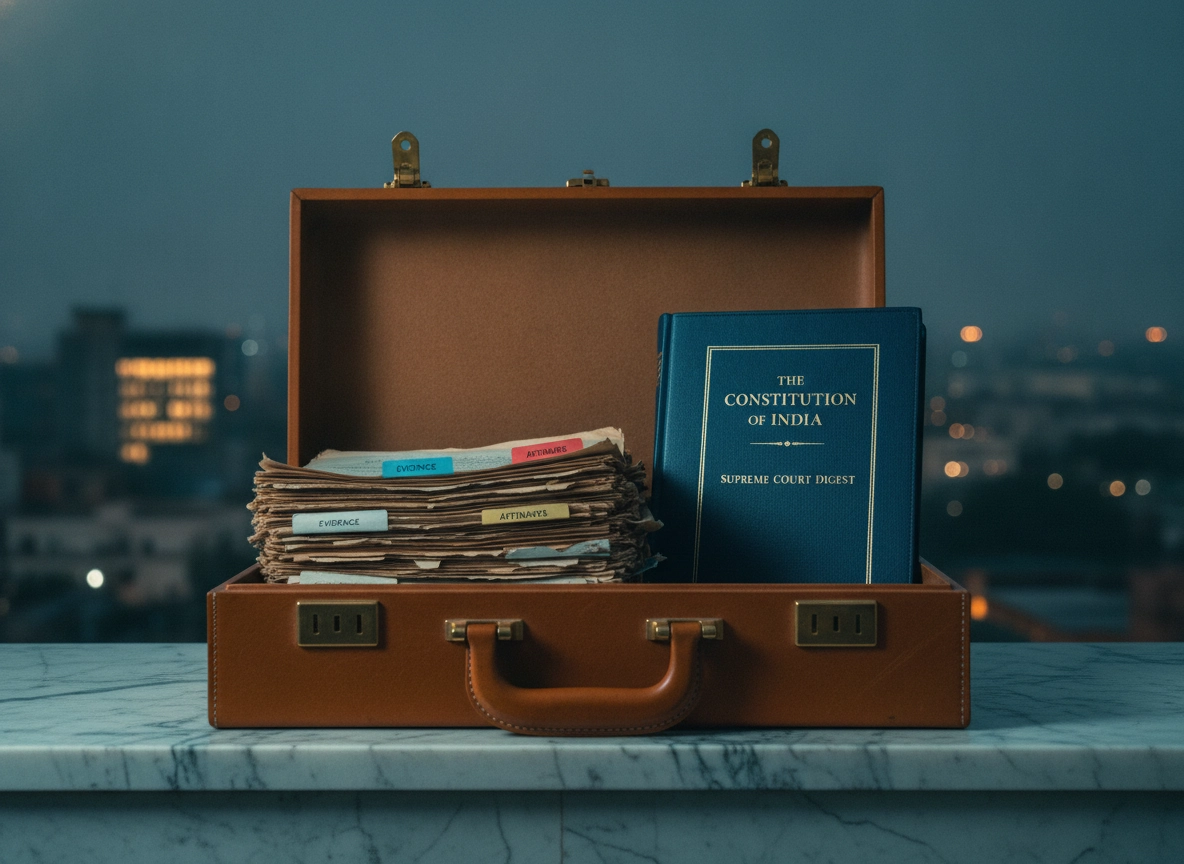
The jump from the High Court to the Supreme Court isn’t just a change of address on Tilak Marg; it’s a fundamental shift in how your story is told. When you’re working with a delhi high court lawyer, you’re often in the thick of the “what” and the “how”,the evidence, the witnesses, and the immediate relief. But once those gates close and you look toward the highest court, the “what” matters far less than the “why.”
Why should the law care about your specific grievance on a national level? That’s the question a supreme court advocate must answer. It’s a space where nearly 80% of petitions vanish at the first hearing because they lack a sharp, legal edge. You don’t just need a lawyer who knows your file; you need someone who understands the court’s discretionary pulse. This is where the 35 years of expertise at the chambers of this Delhi High Court lawyer and Advocate-on-Record becomes a bridge between these two worlds.
Choosing between advocates for high court appeals and specialized Supreme Court representation isn’t about hierarchy,it’s about fitness for the forum. If you’re at a crossroads, don’t just carry your High Court strategy into the Supreme Court and hope for the best. Ask yourself if your case is ready to move from a battle of facts to a battle of principles. If it isn’t, the most prestigious courtroom in the country won’t even open its doors.
If you need specialized representation before the Supreme Court, Advocate provides the expert guidance required to navigate complex legal hurdles.
People also ask
Can any lawyer represent me in the Supreme Court of India?
Not exactly. While many lawyers can argue cases, only an Advocate-on-Record (AOR) is permitted to file petitions and handle the procedural filings in the Supreme Court. It’s a specialized role that requires passing a rigorous exam.
Why was my case dismissed by the Supreme Court despite winning in the High Court?
Honestly, it’s often because the appeal didn’t raise a ‘substantial question of law.’ The Supreme Court isn’t just a third court of appeal for re-examining facts; it focuses on constitutional interpretation and national legal precedents.
How does the work of a High Court lawyer differ from a Supreme Court advocate?
A High Court lawyer spends a lot of time on evidence, witness credibility, and trial records. In contrast, a Supreme Court advocate pivots toward pure legal theory and constitutional impact, as the court’s power under Article 136 is strictly discretionary.
Does hiring a famous High Court lawyer guarantee success in the Supreme Court?
It doesn’t. Relying solely on a High Court reputation can be a mistake if the lawyer isn’t familiar with the specific procedural hurdles of the Supreme Court. You’ll want someone who knows how to frame a case for the highest court’s unique requirements.